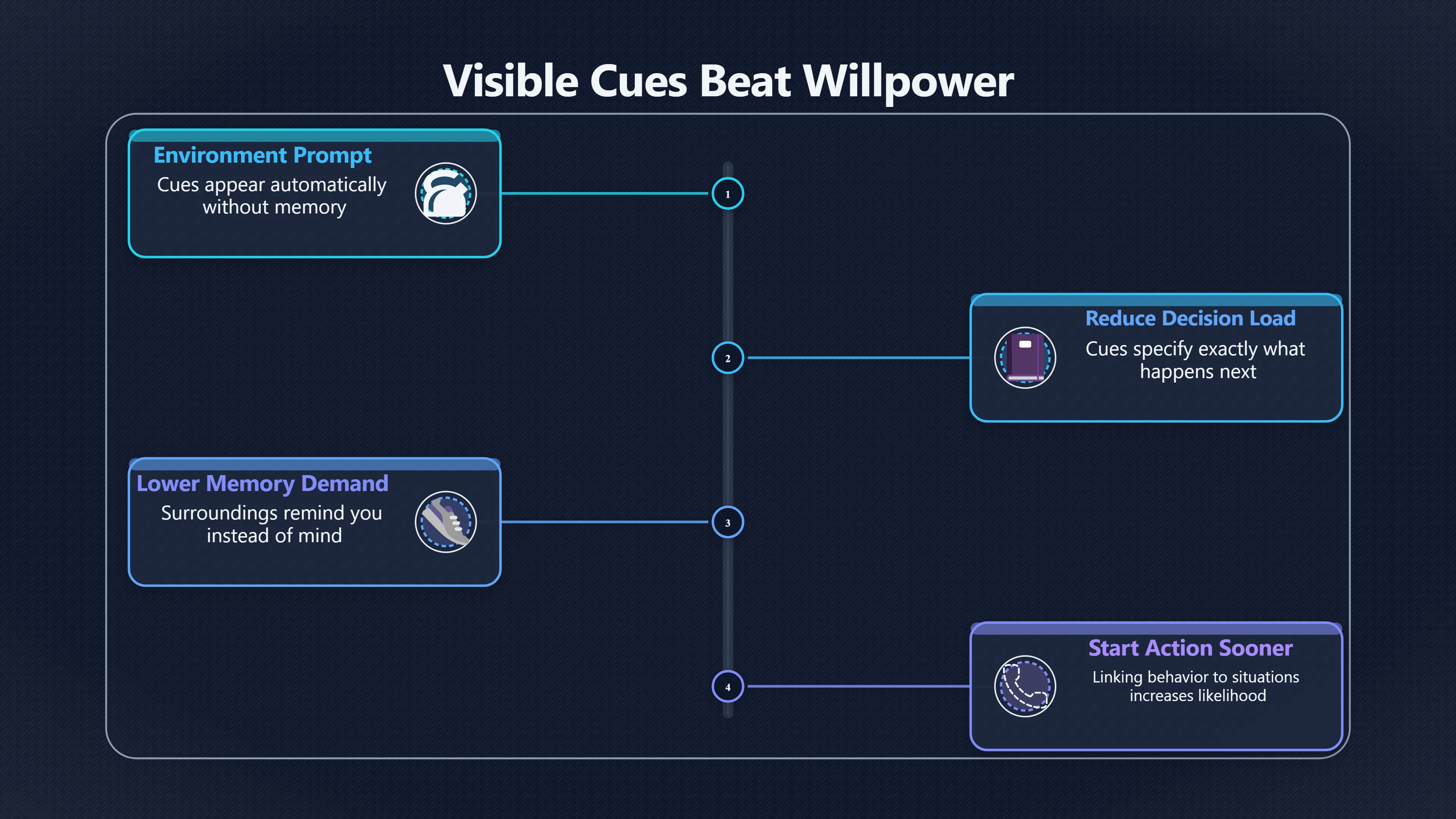
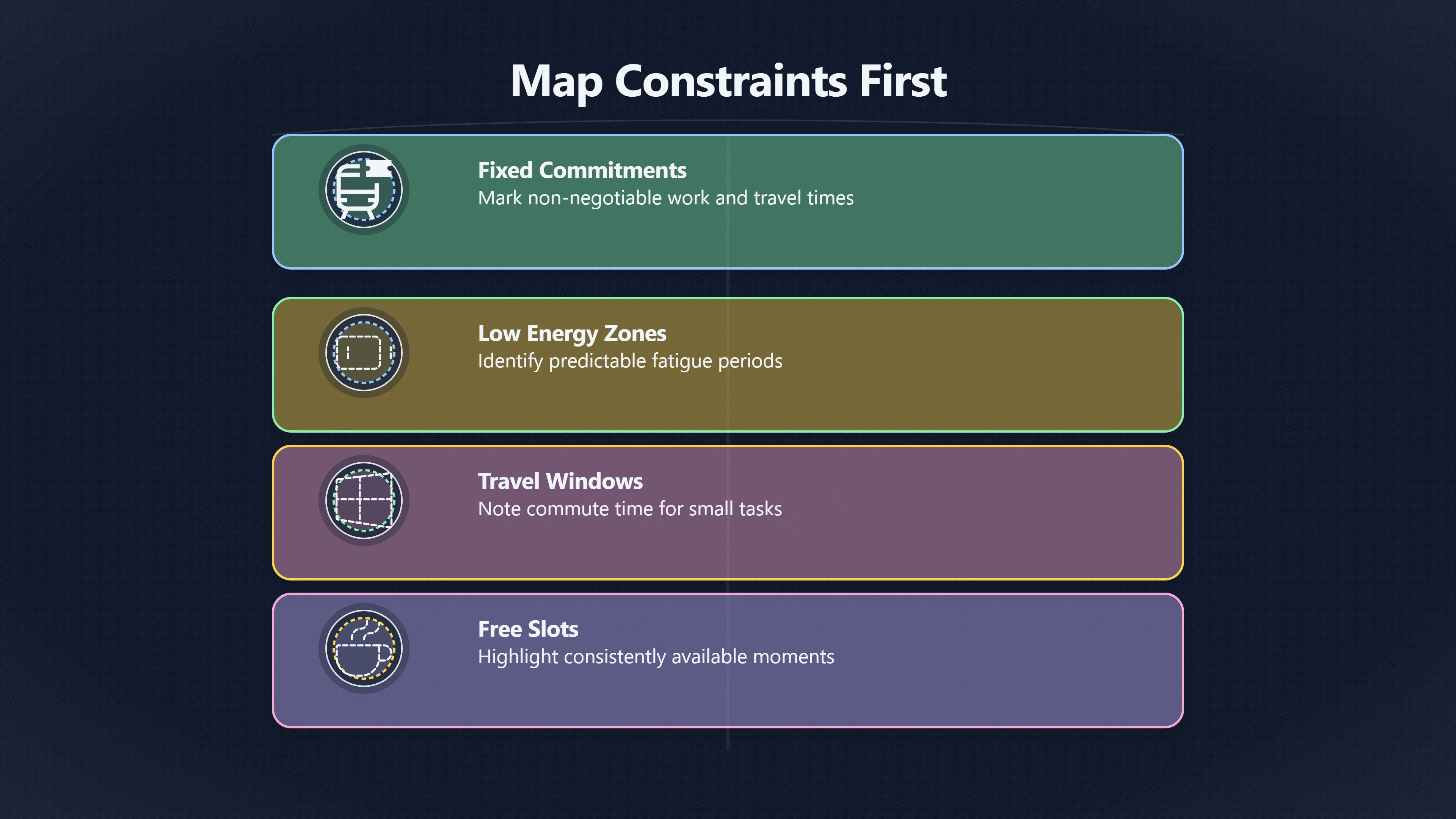
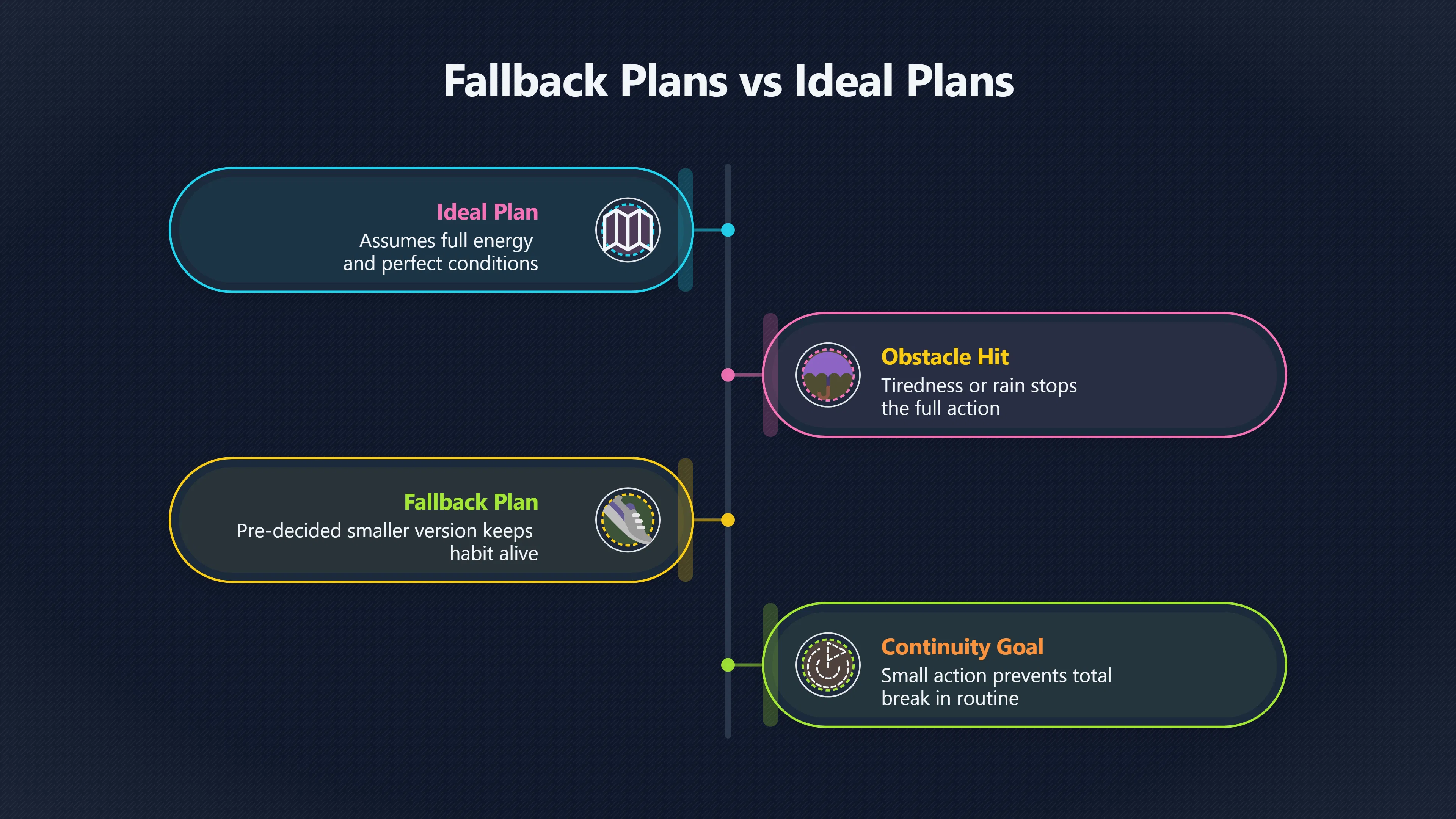
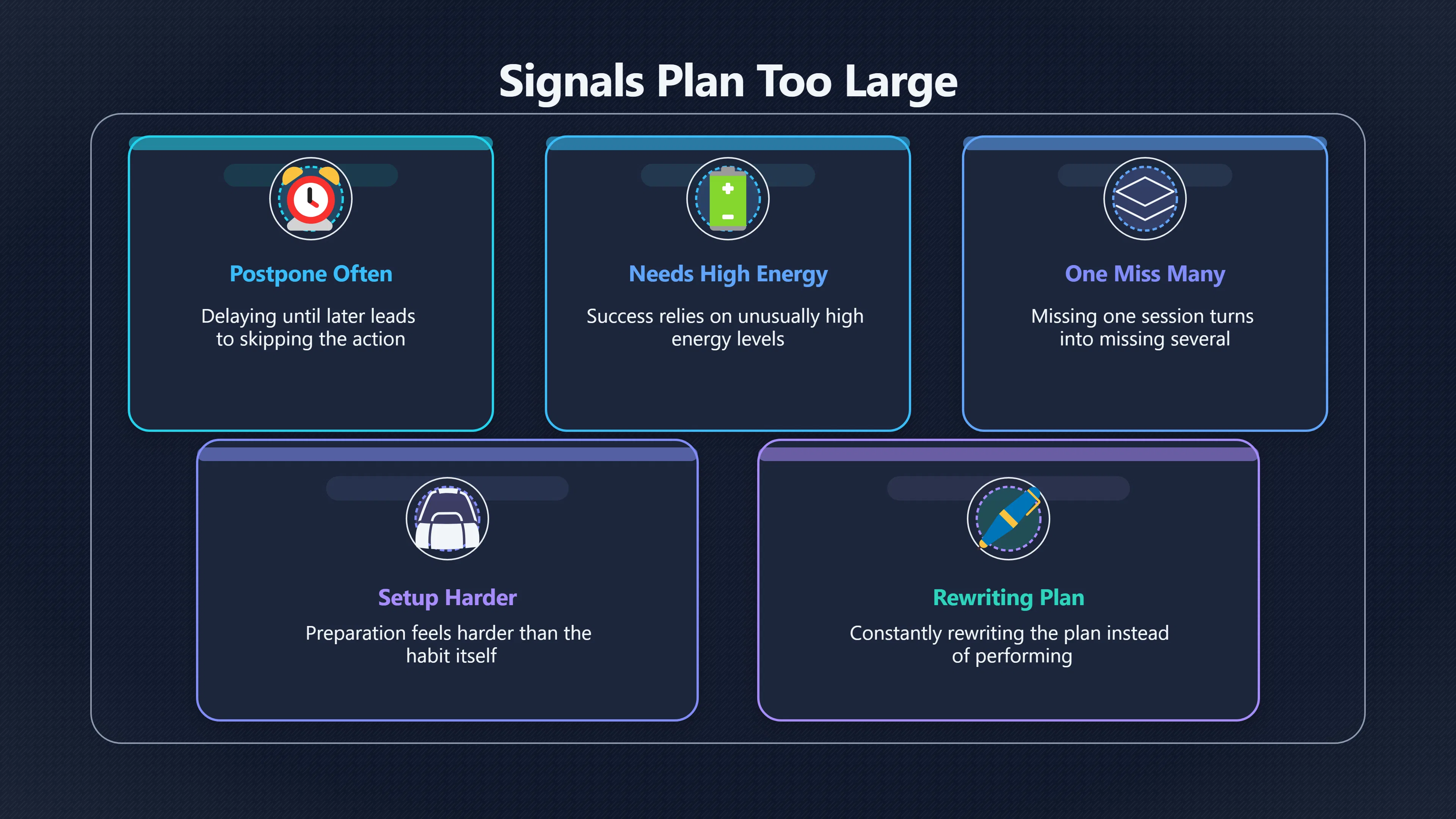
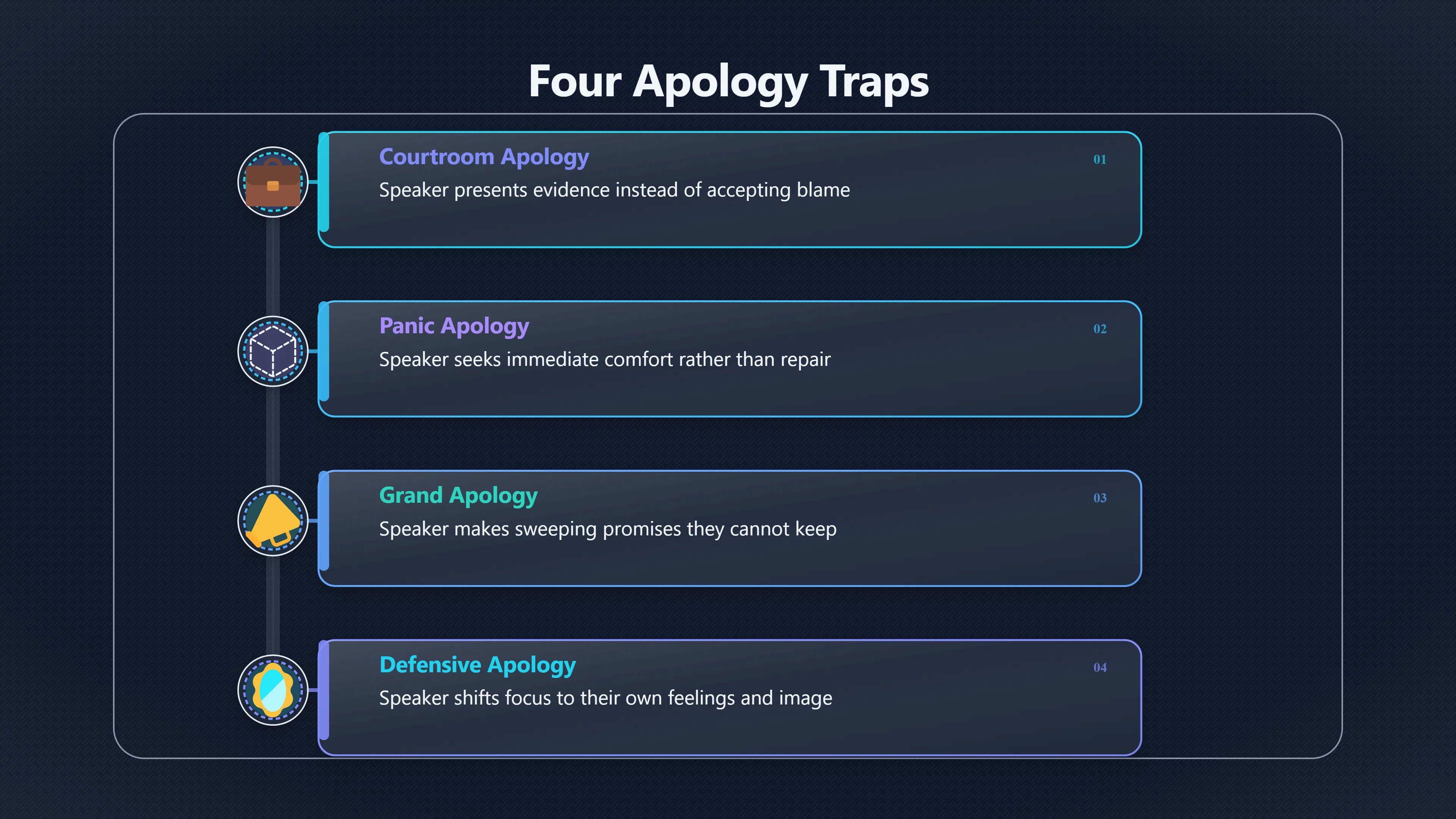
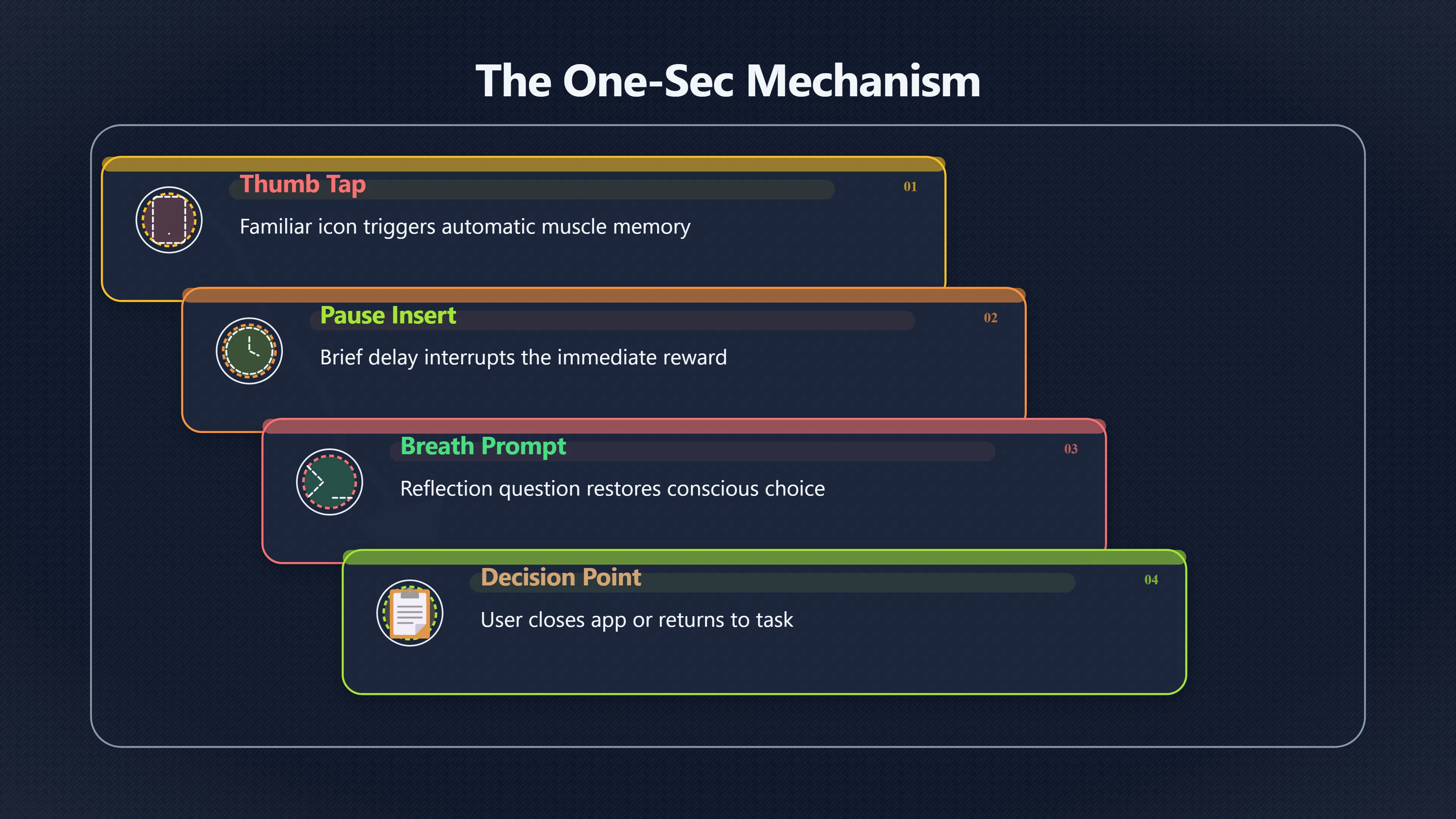
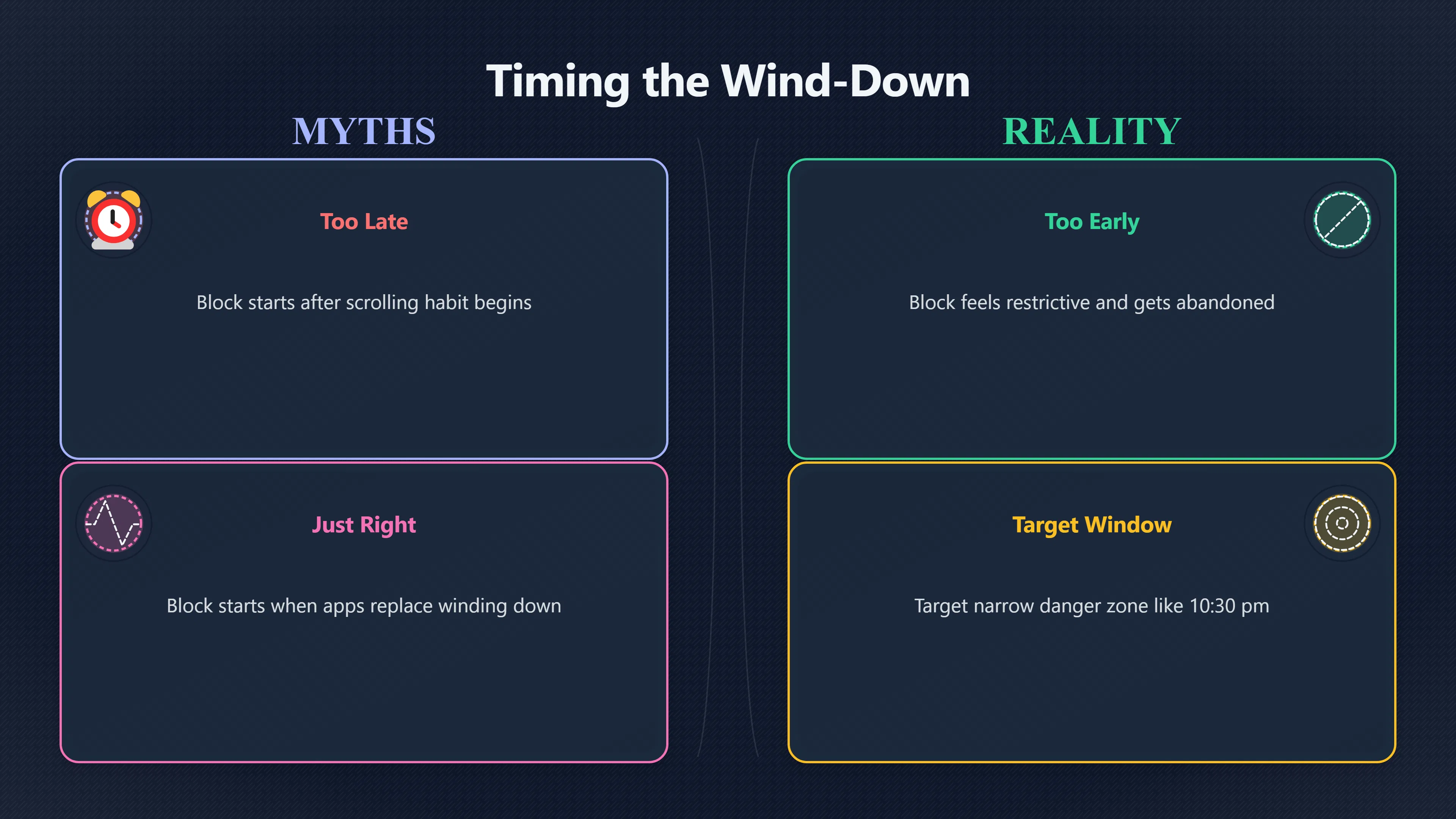
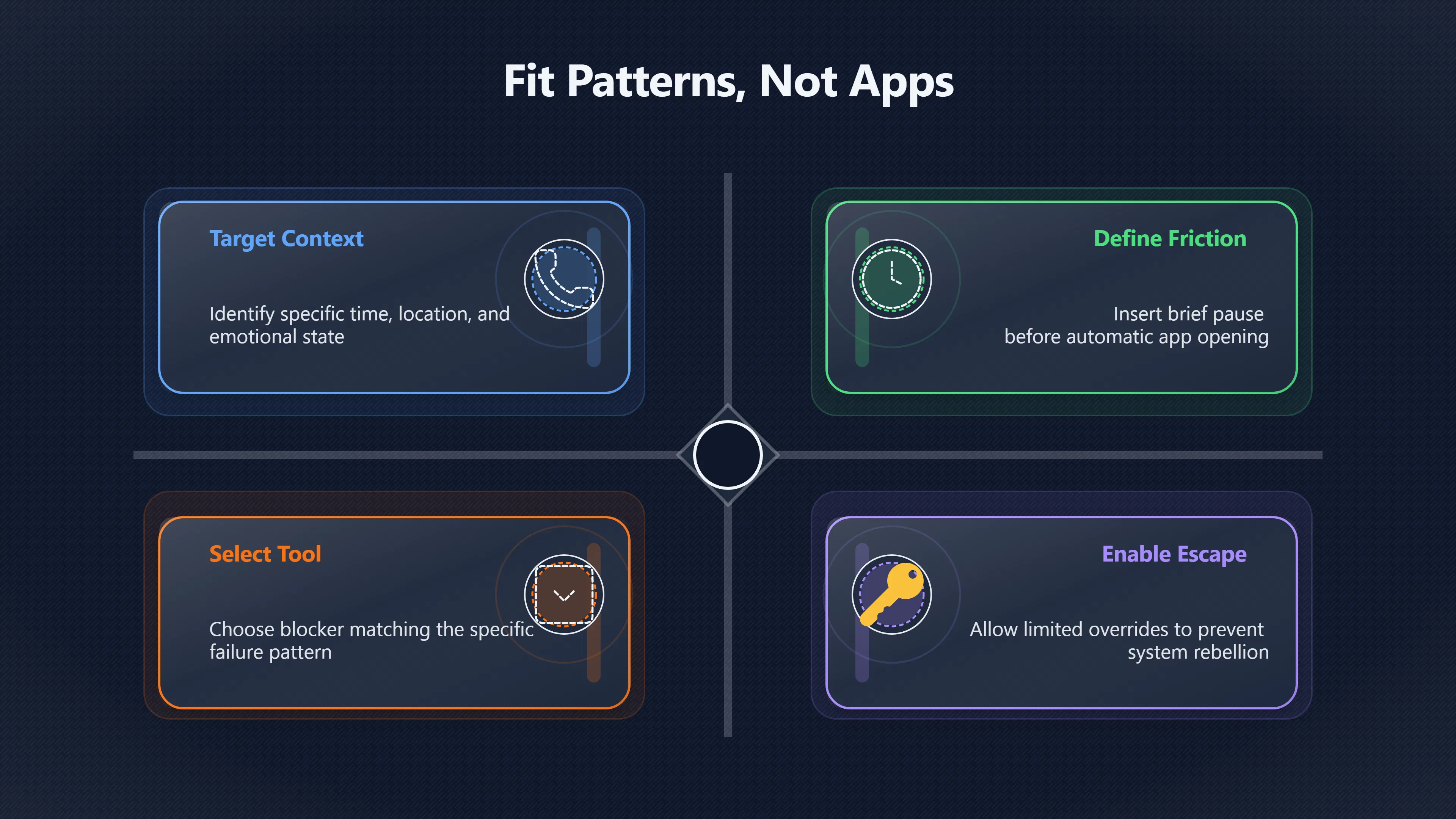
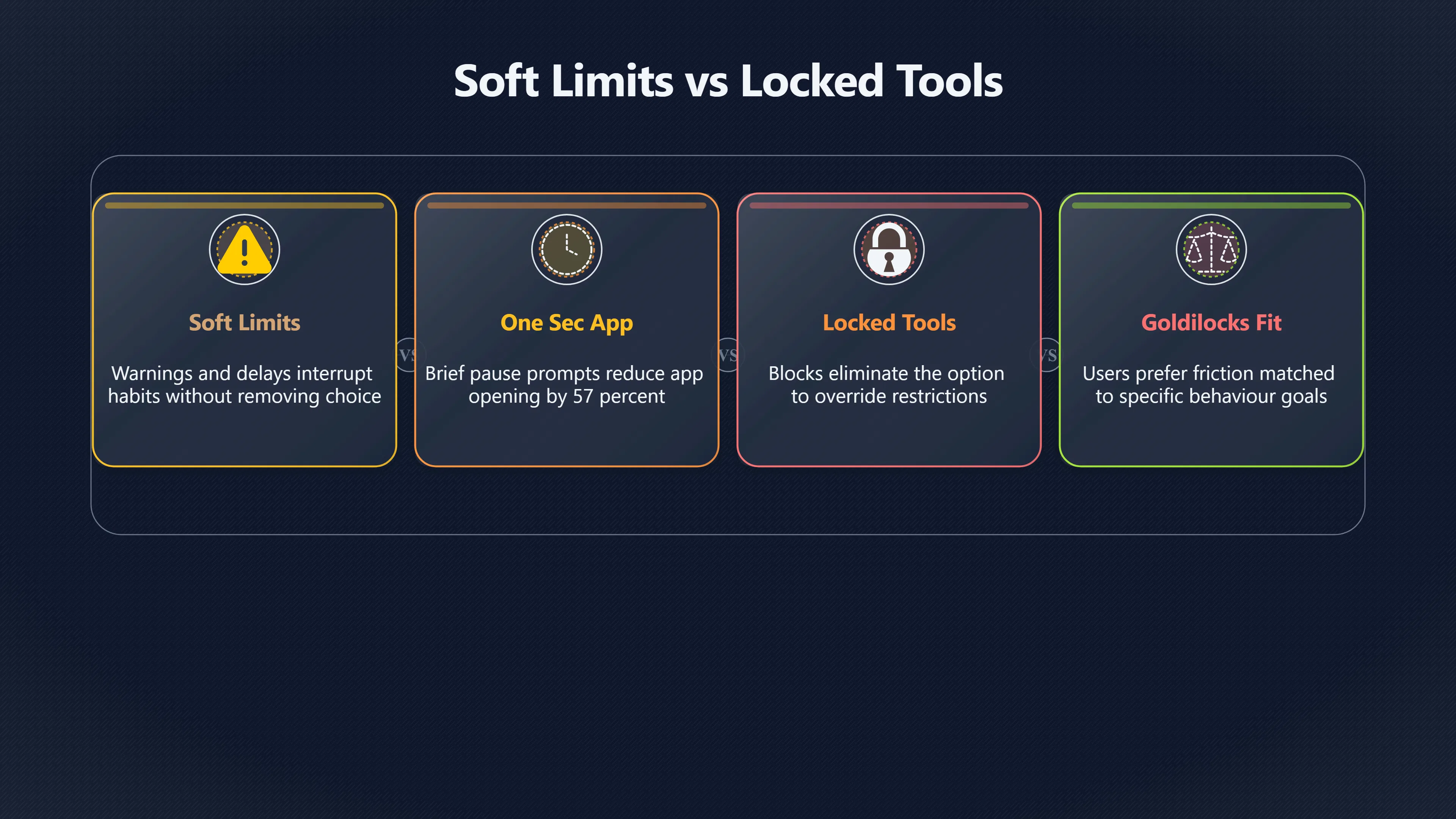
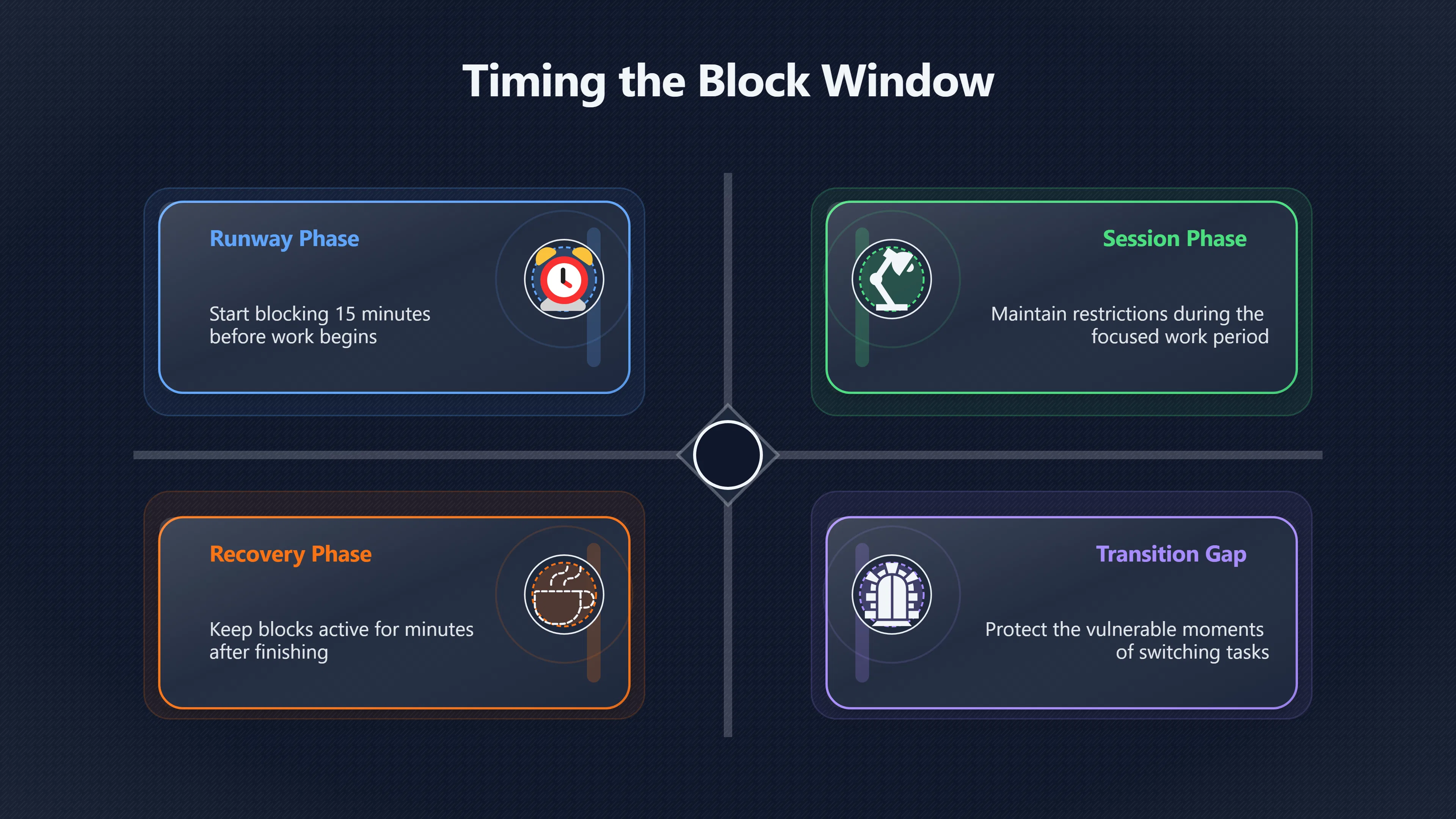
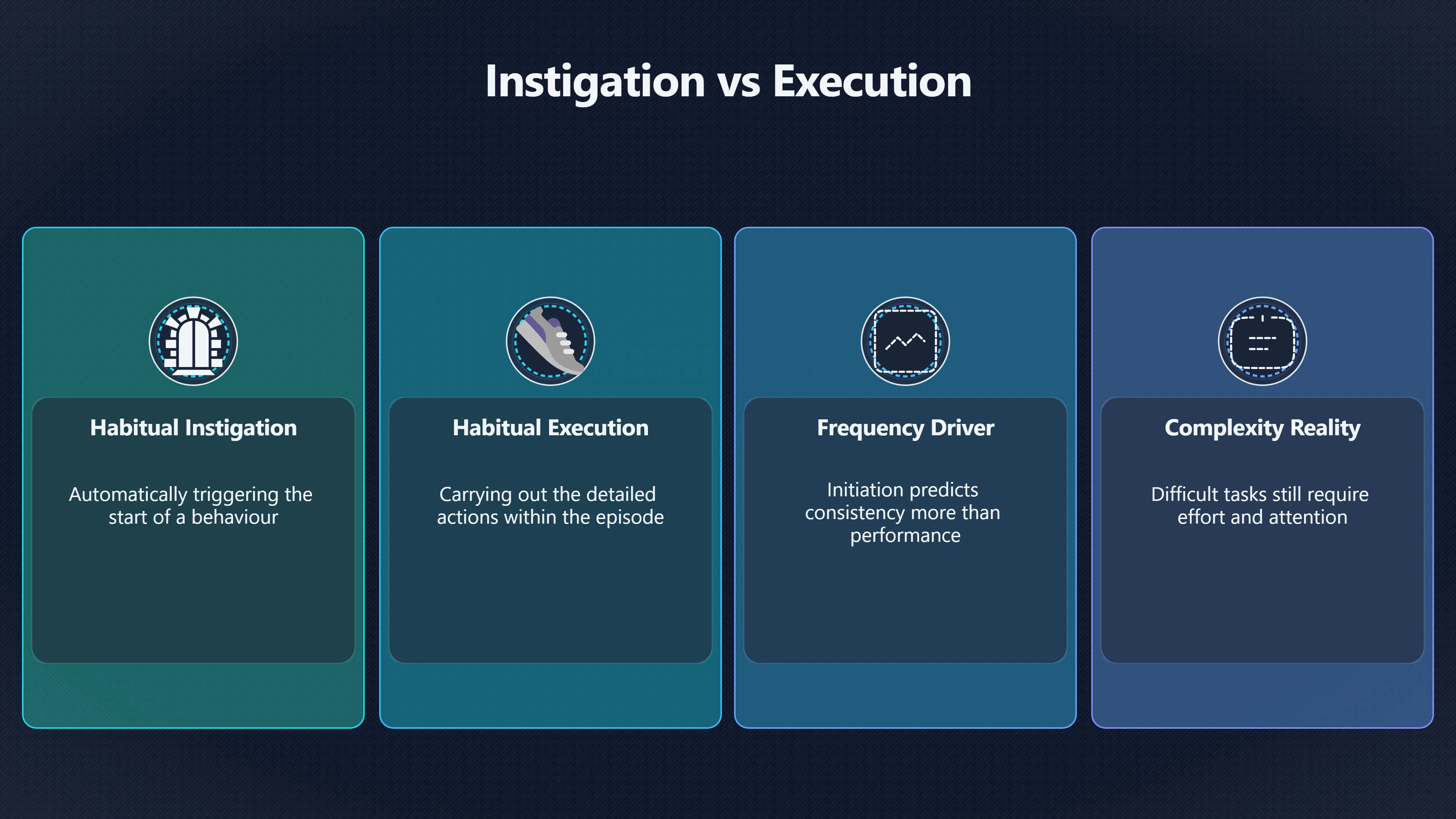
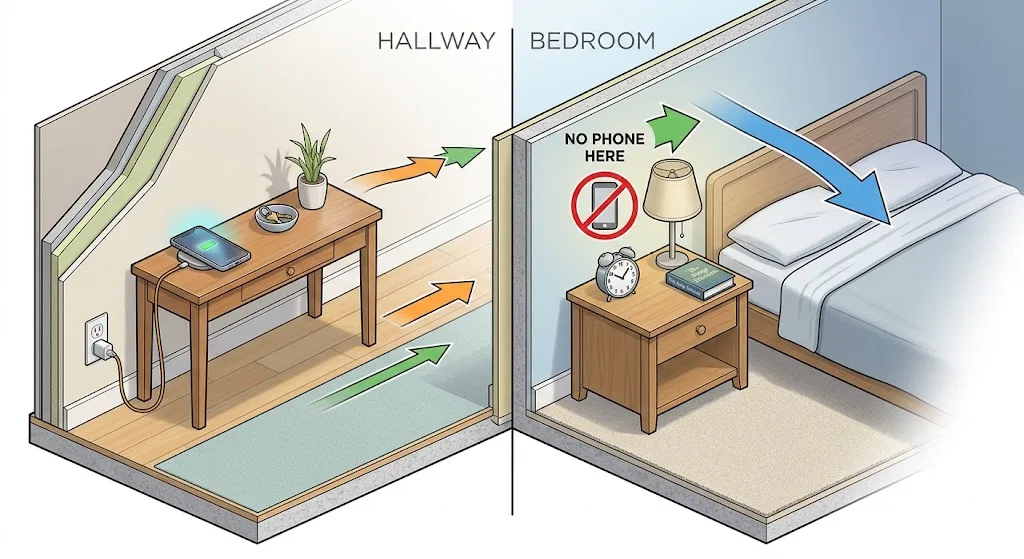
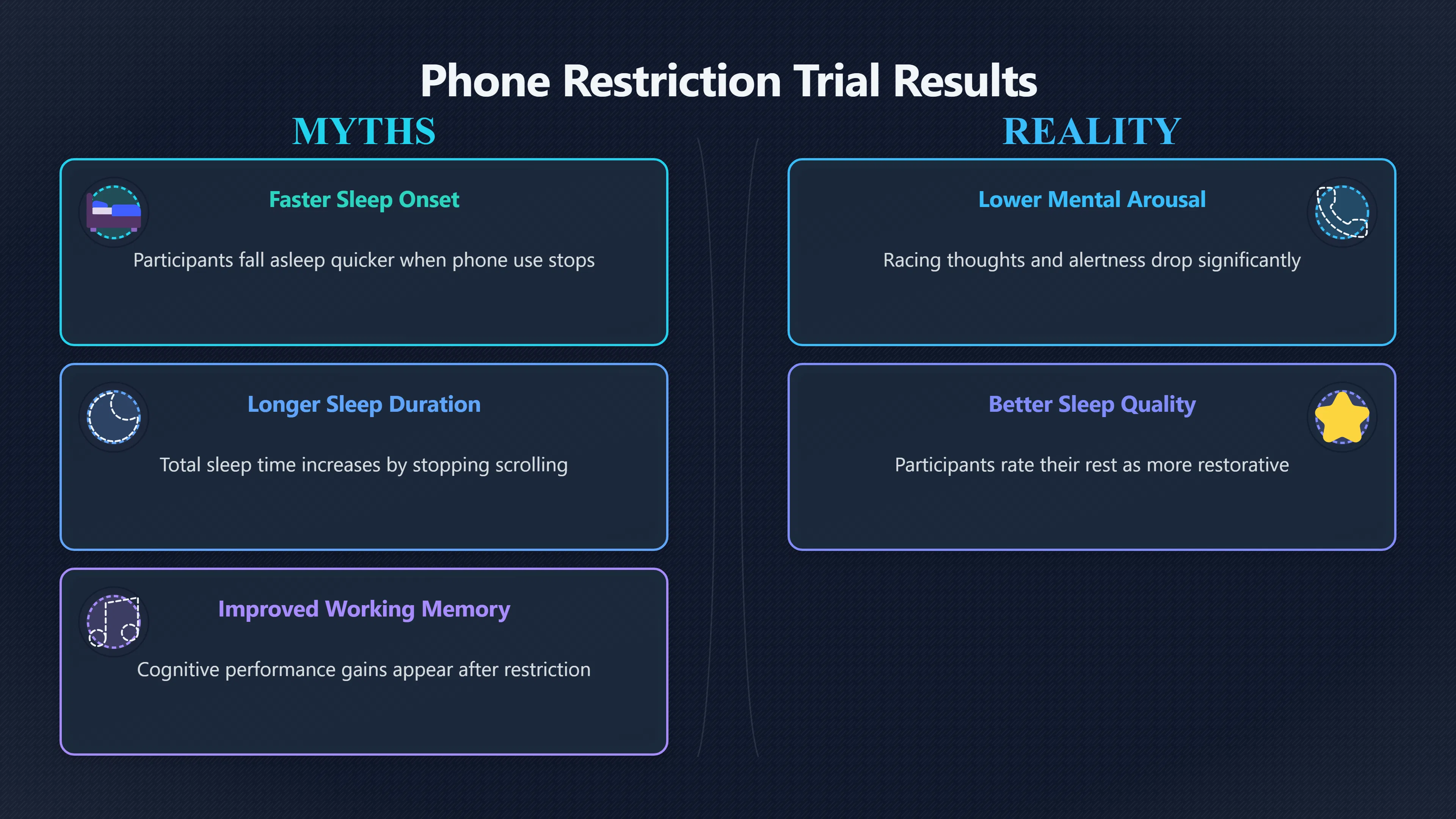
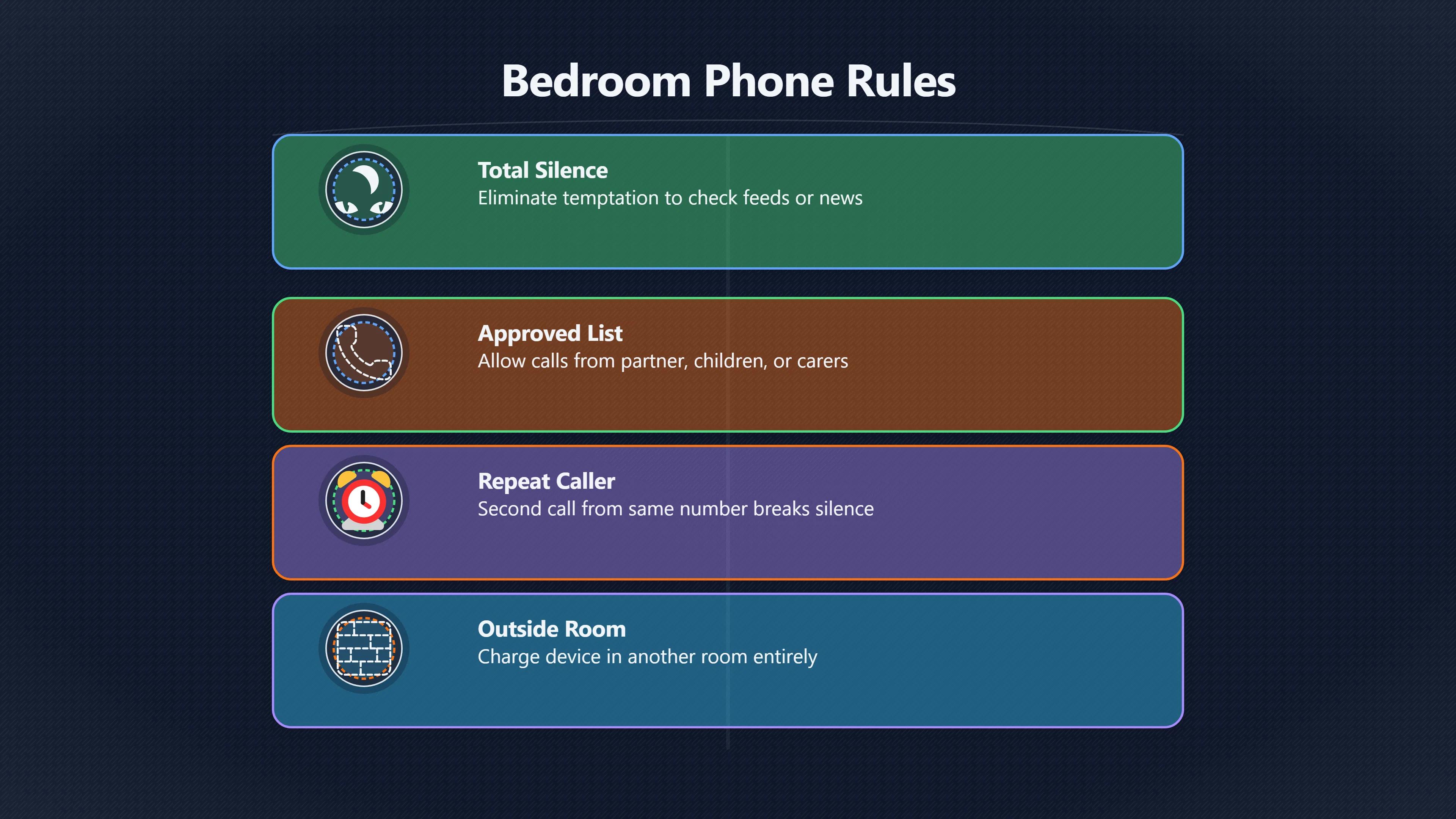
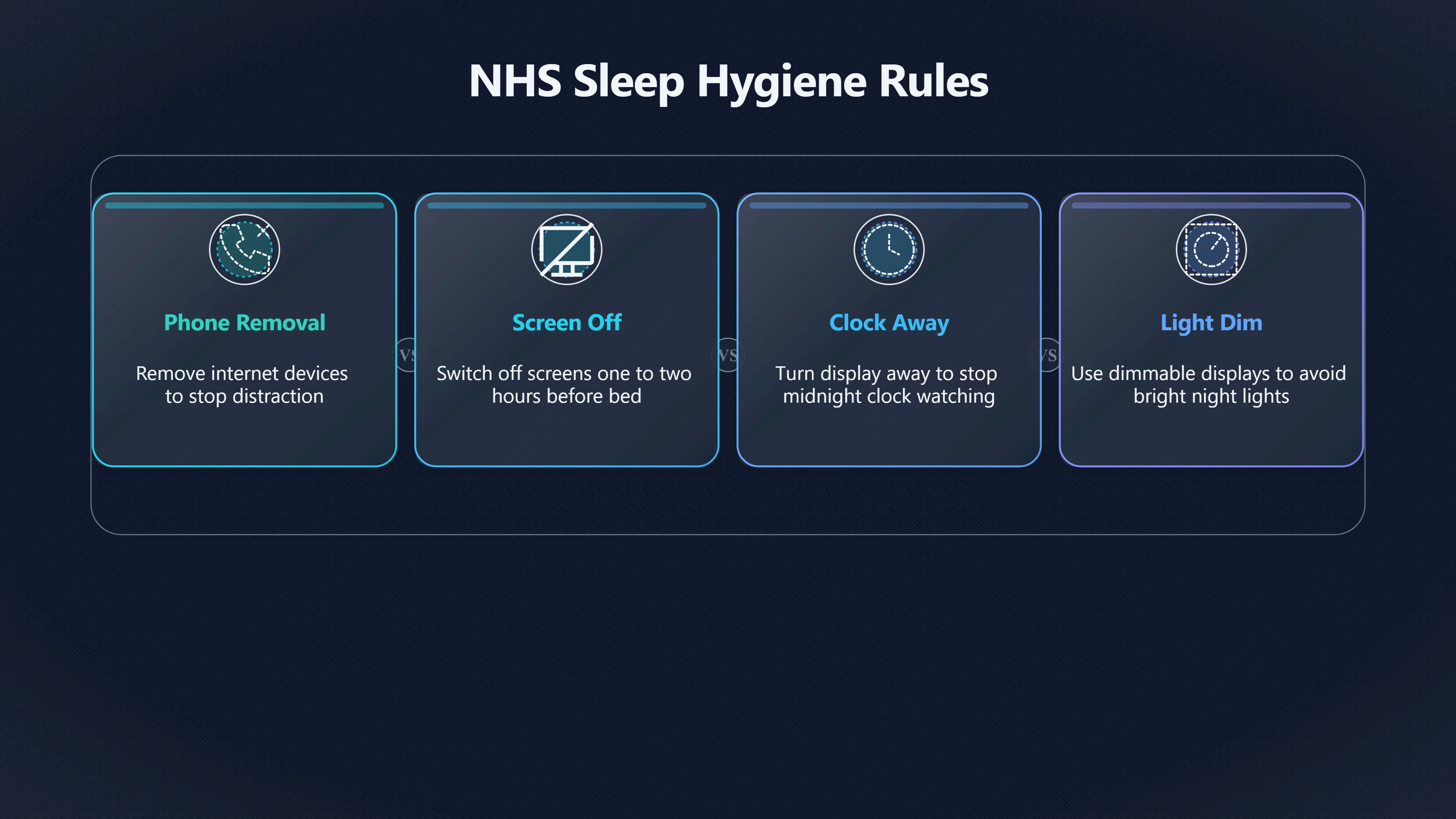
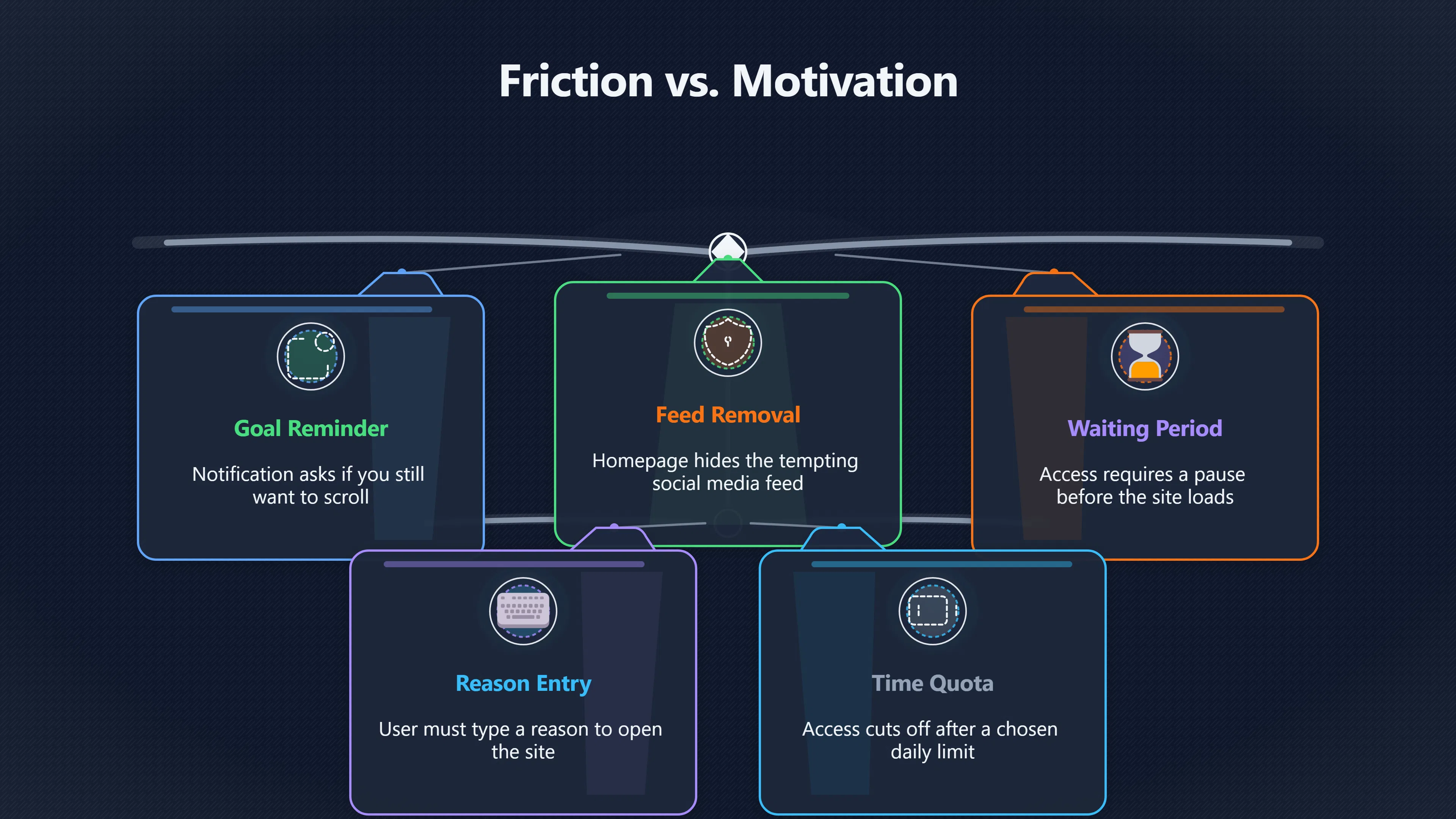
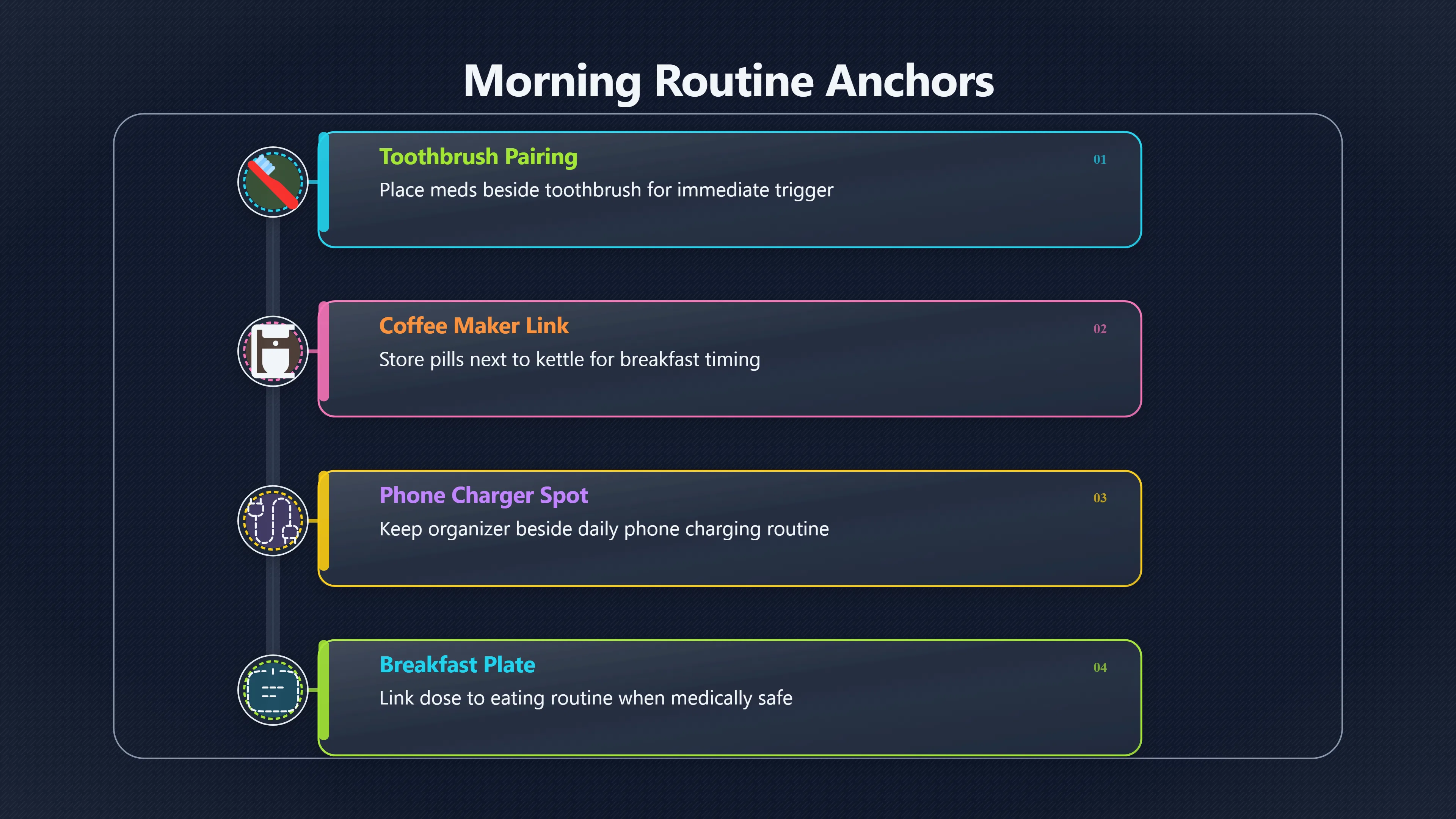
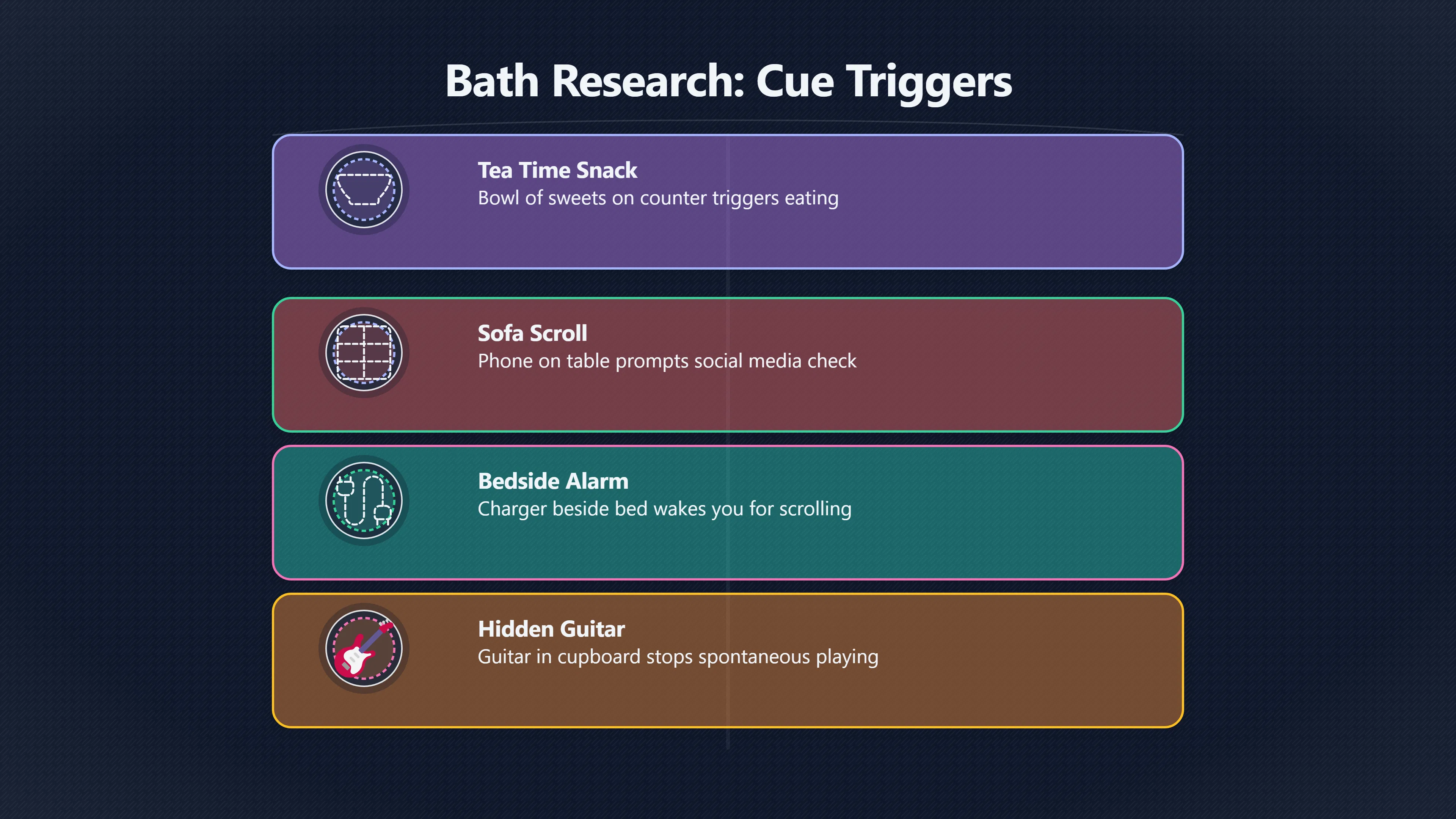
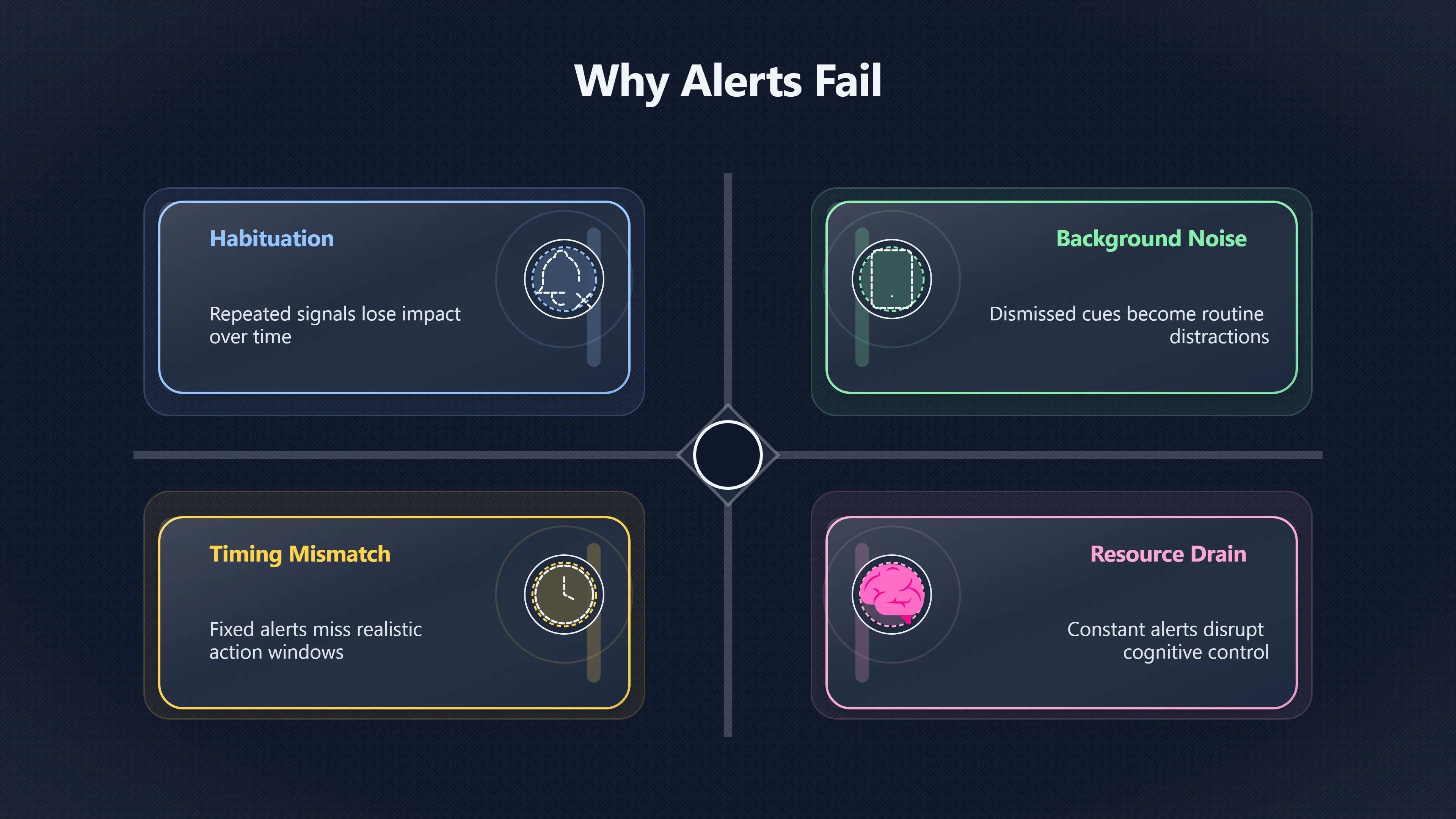
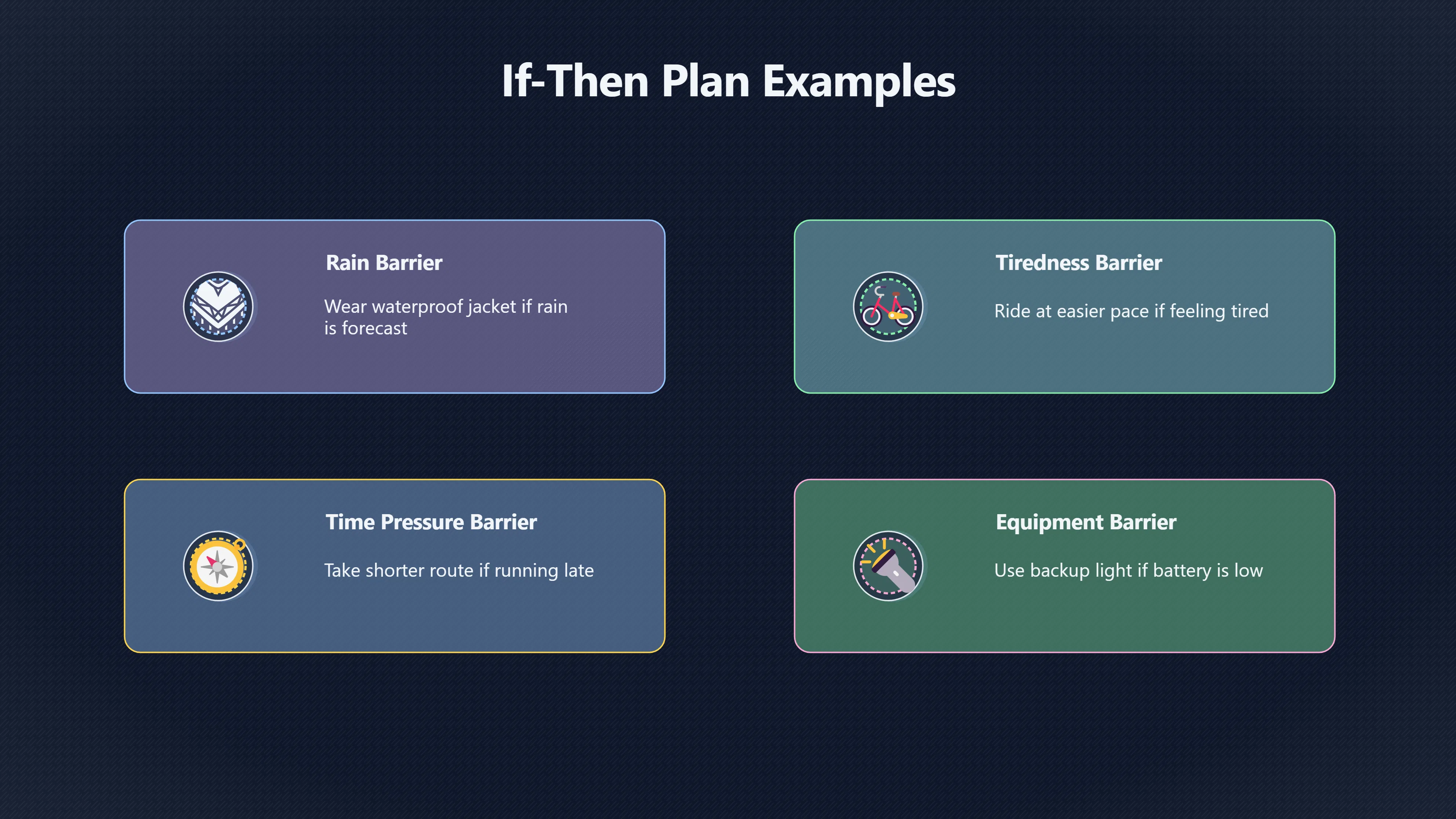
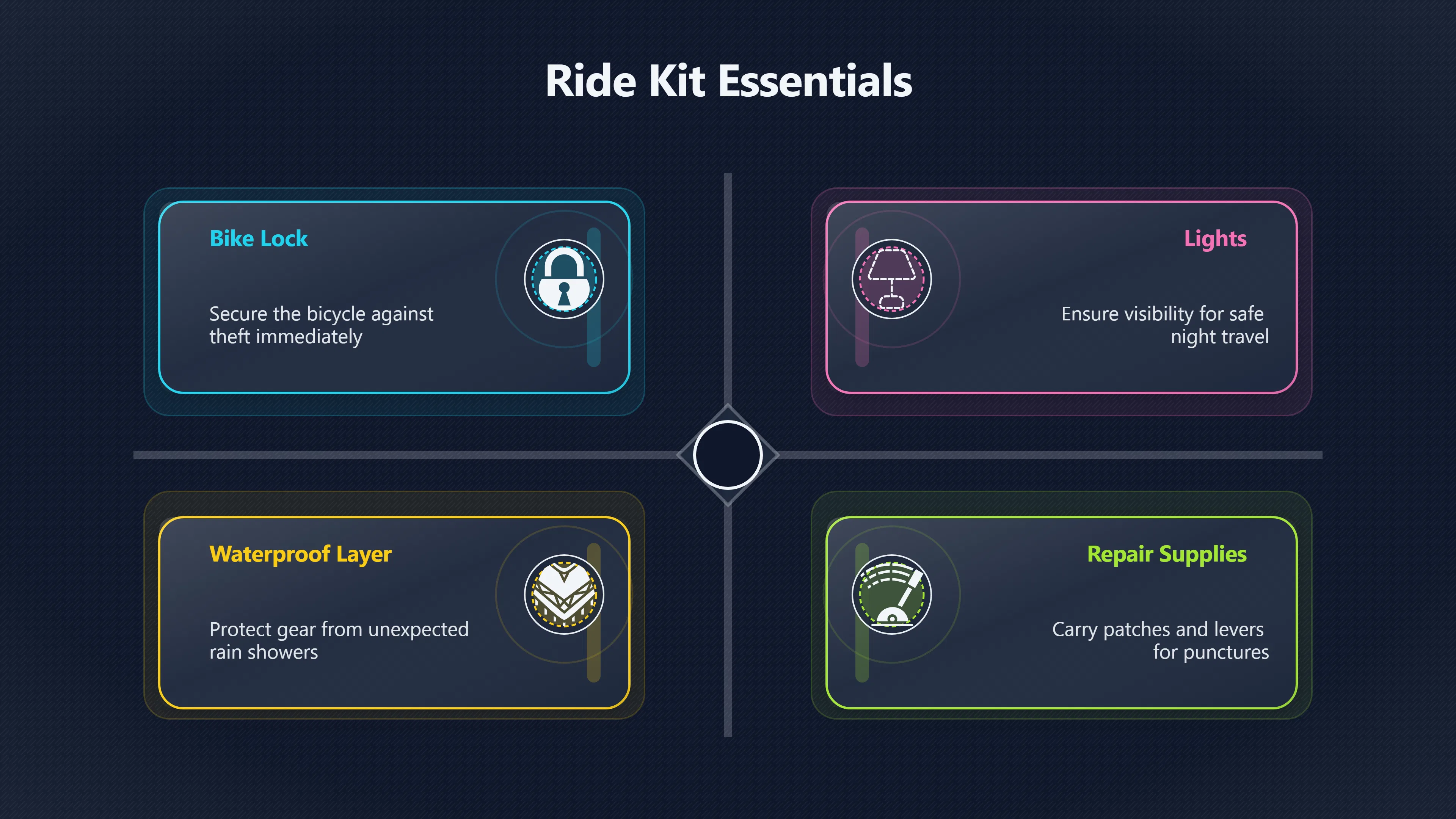
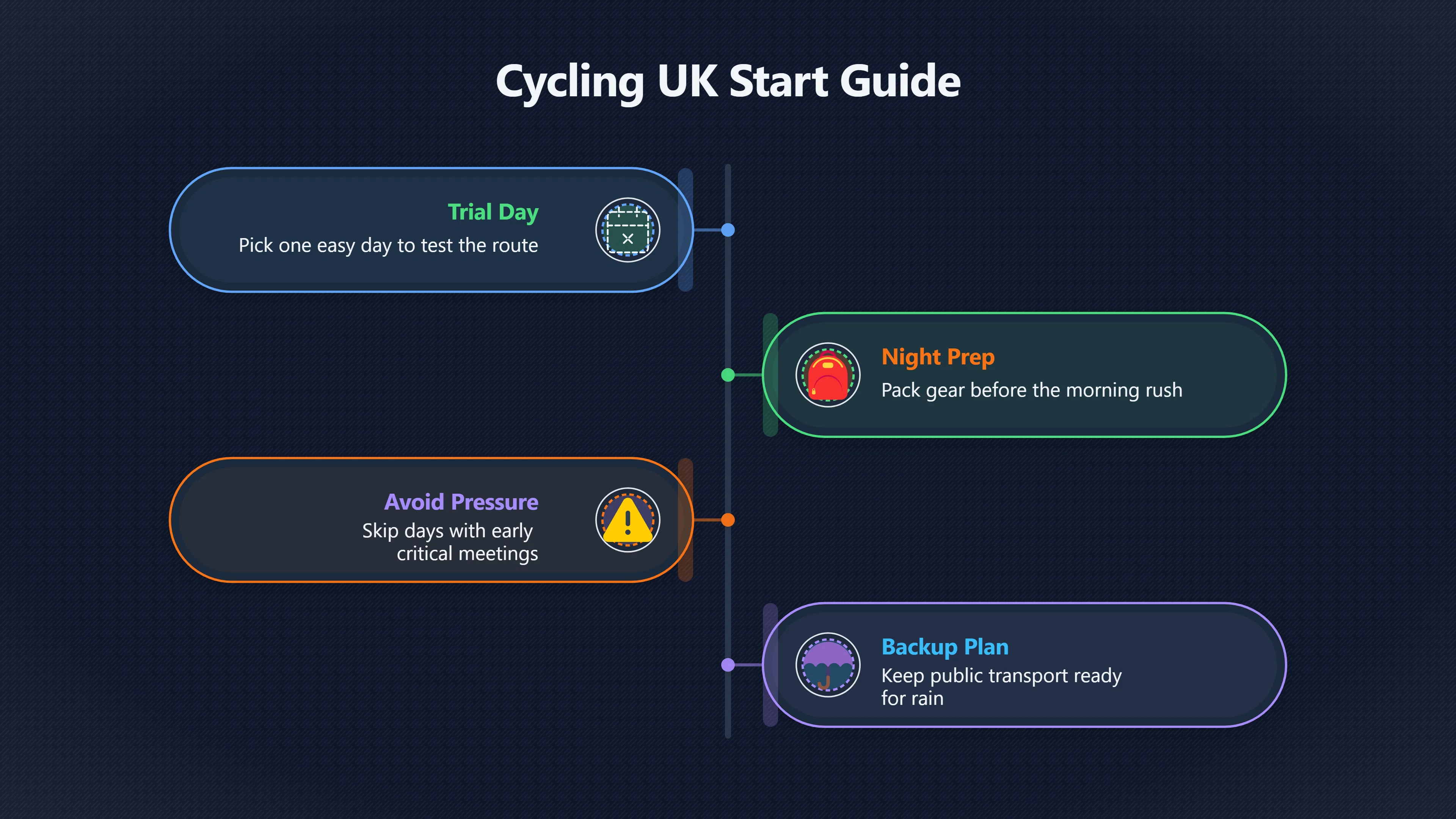
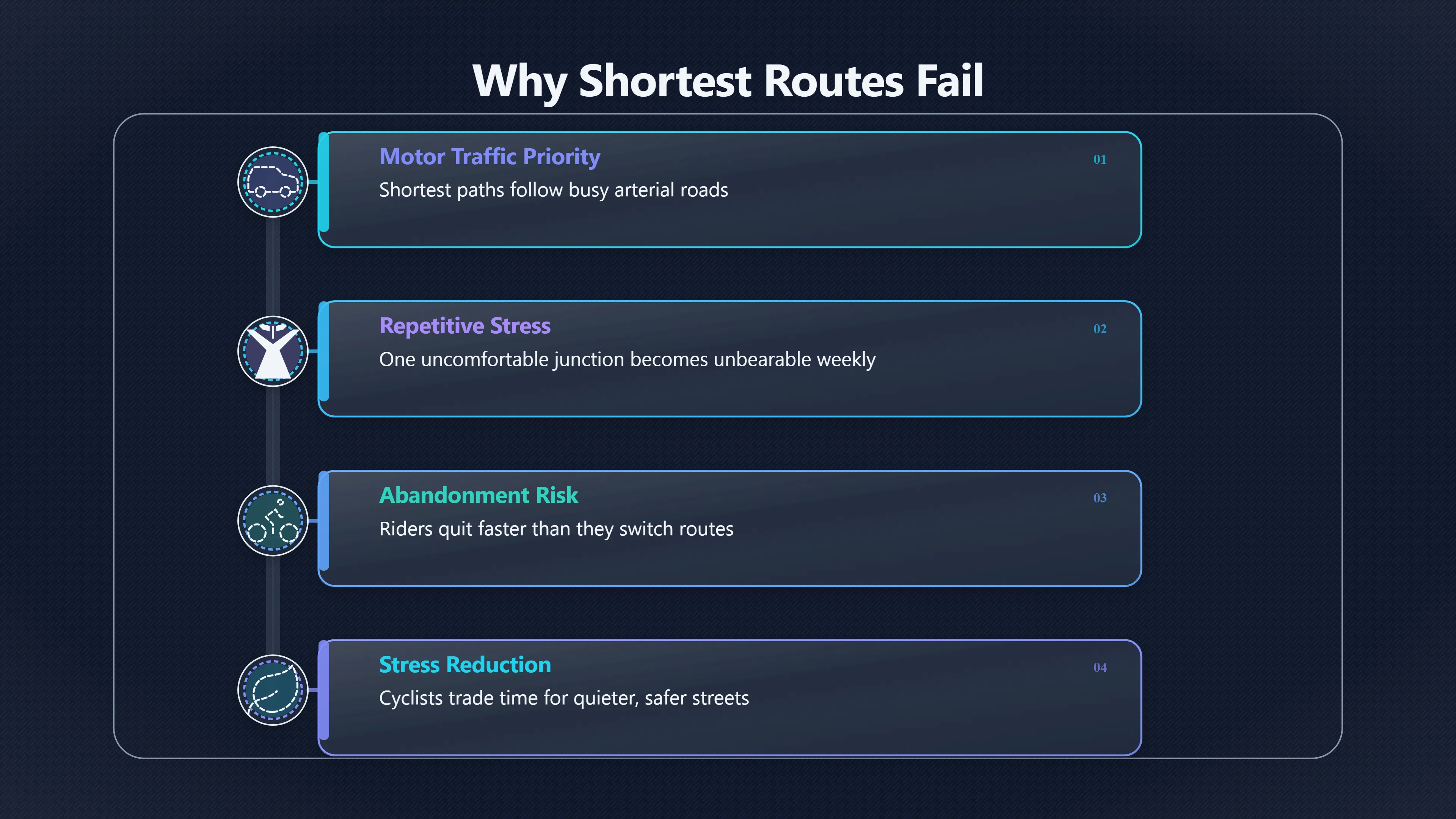
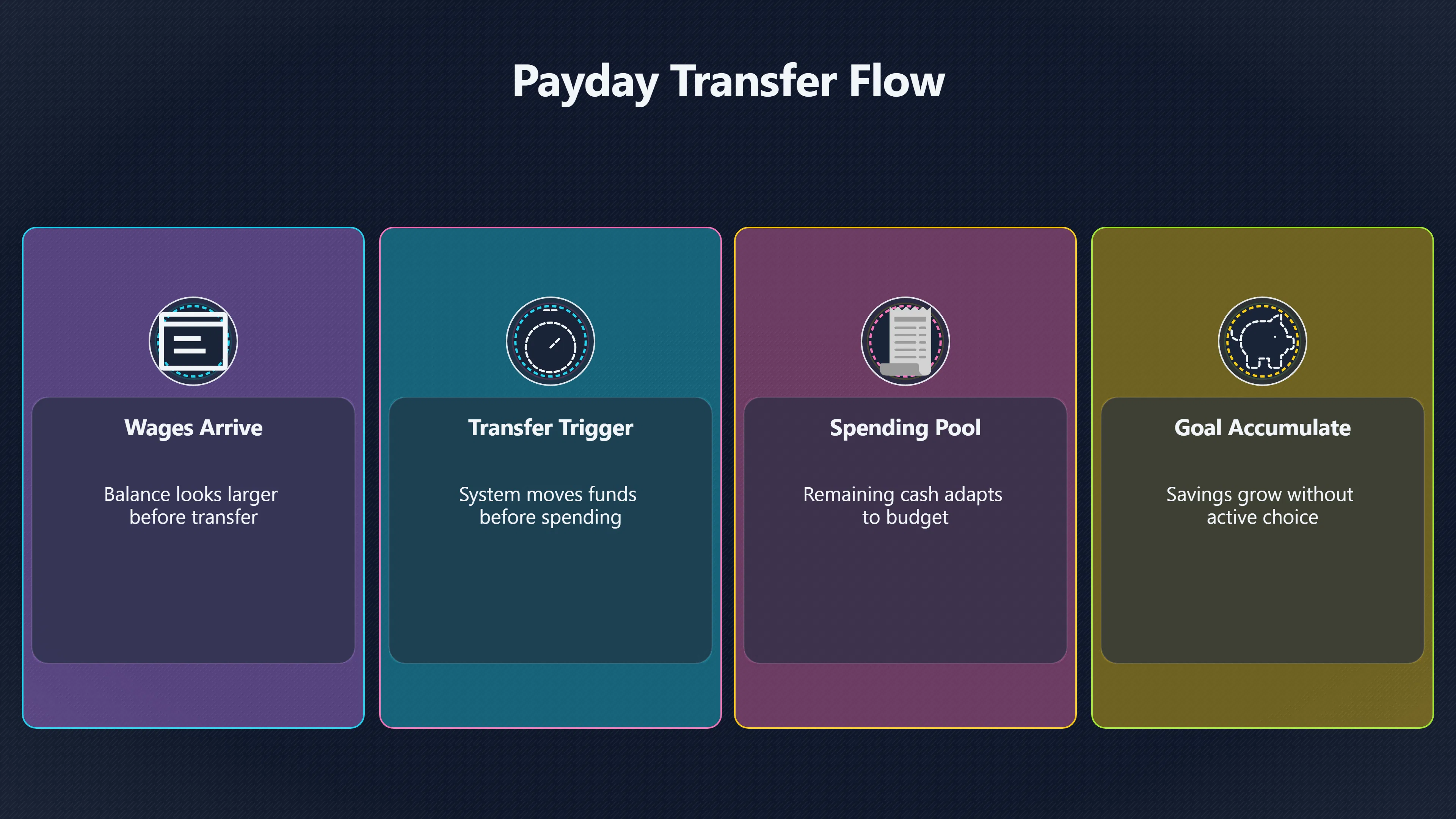
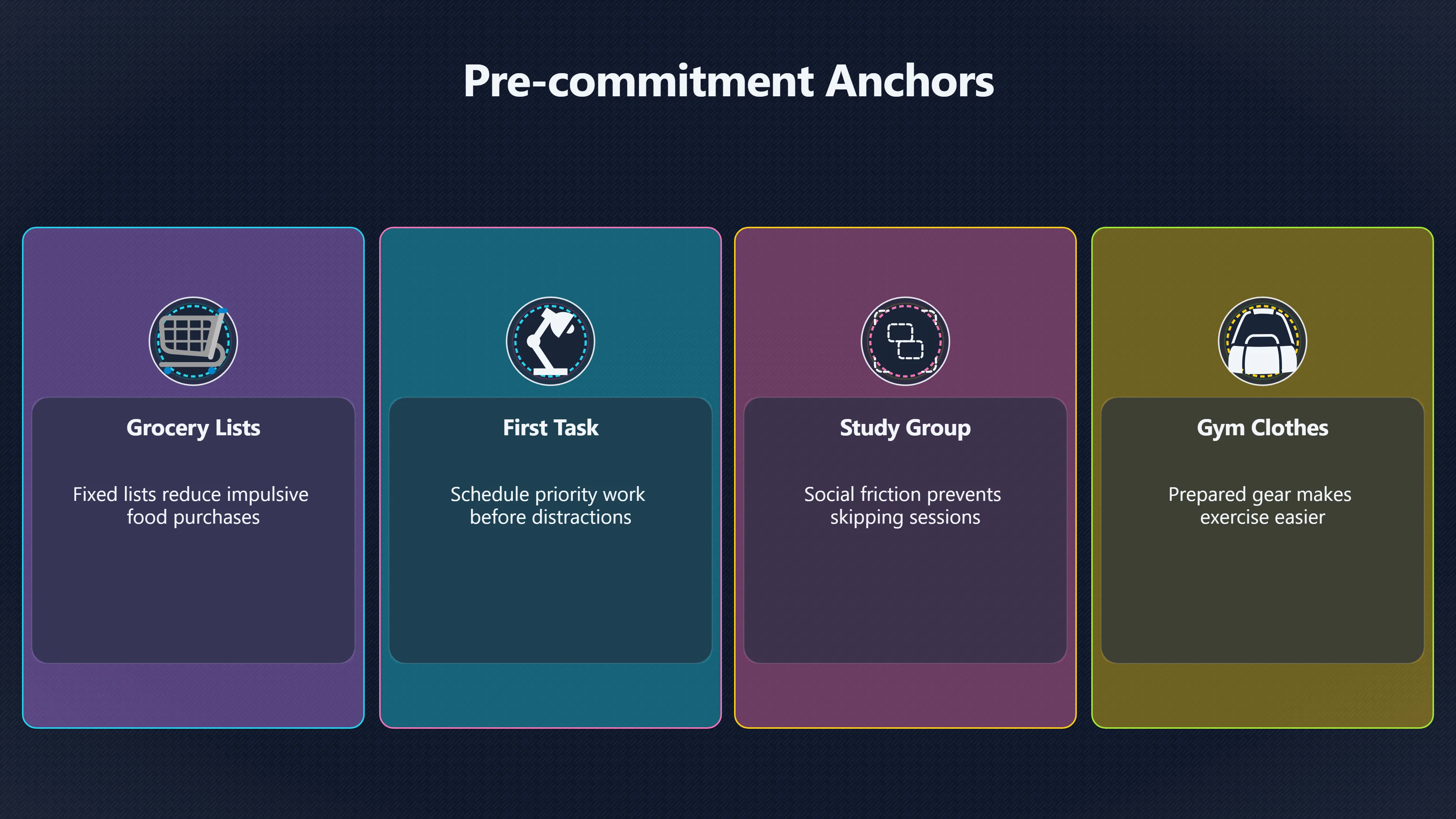
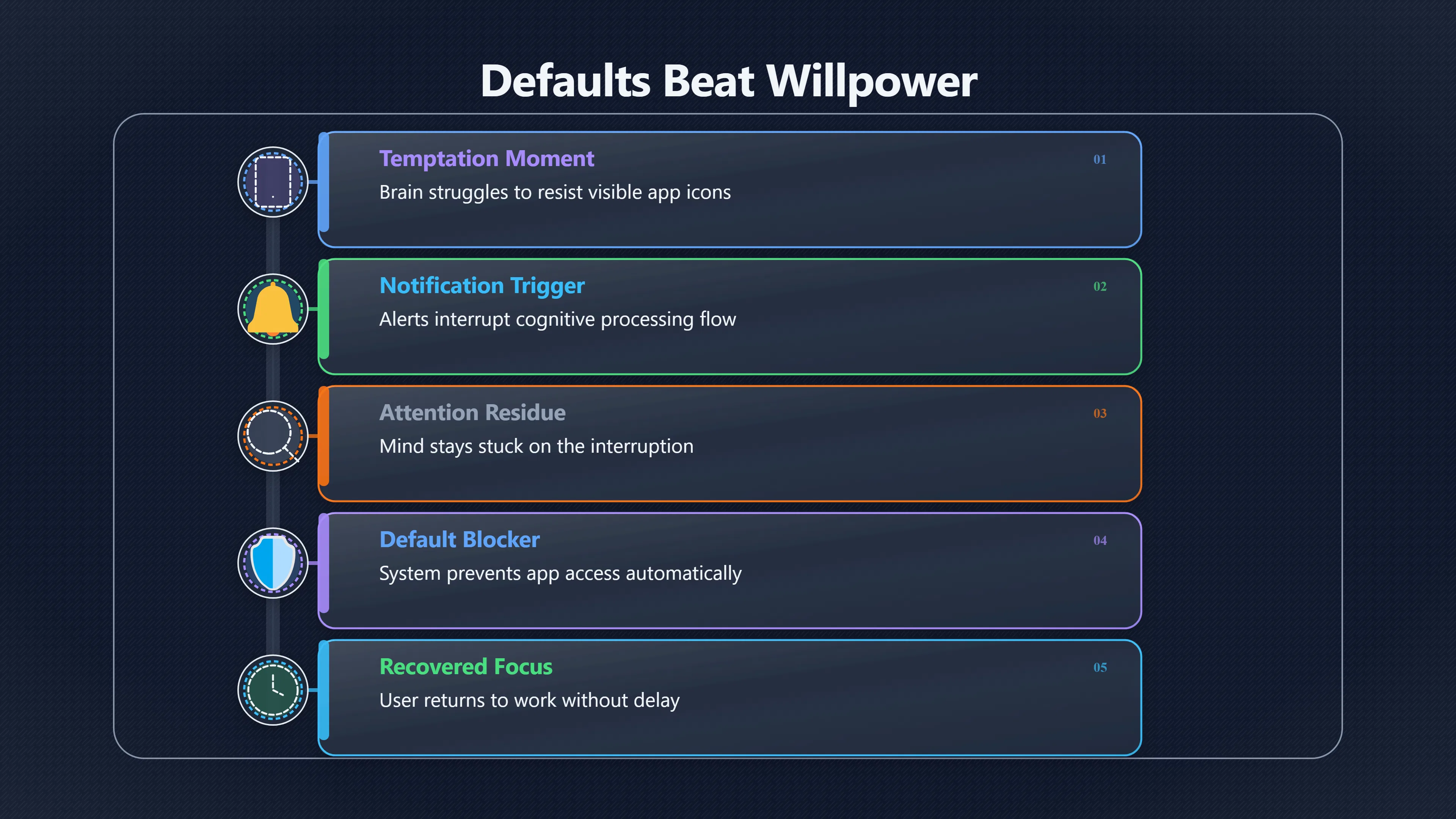
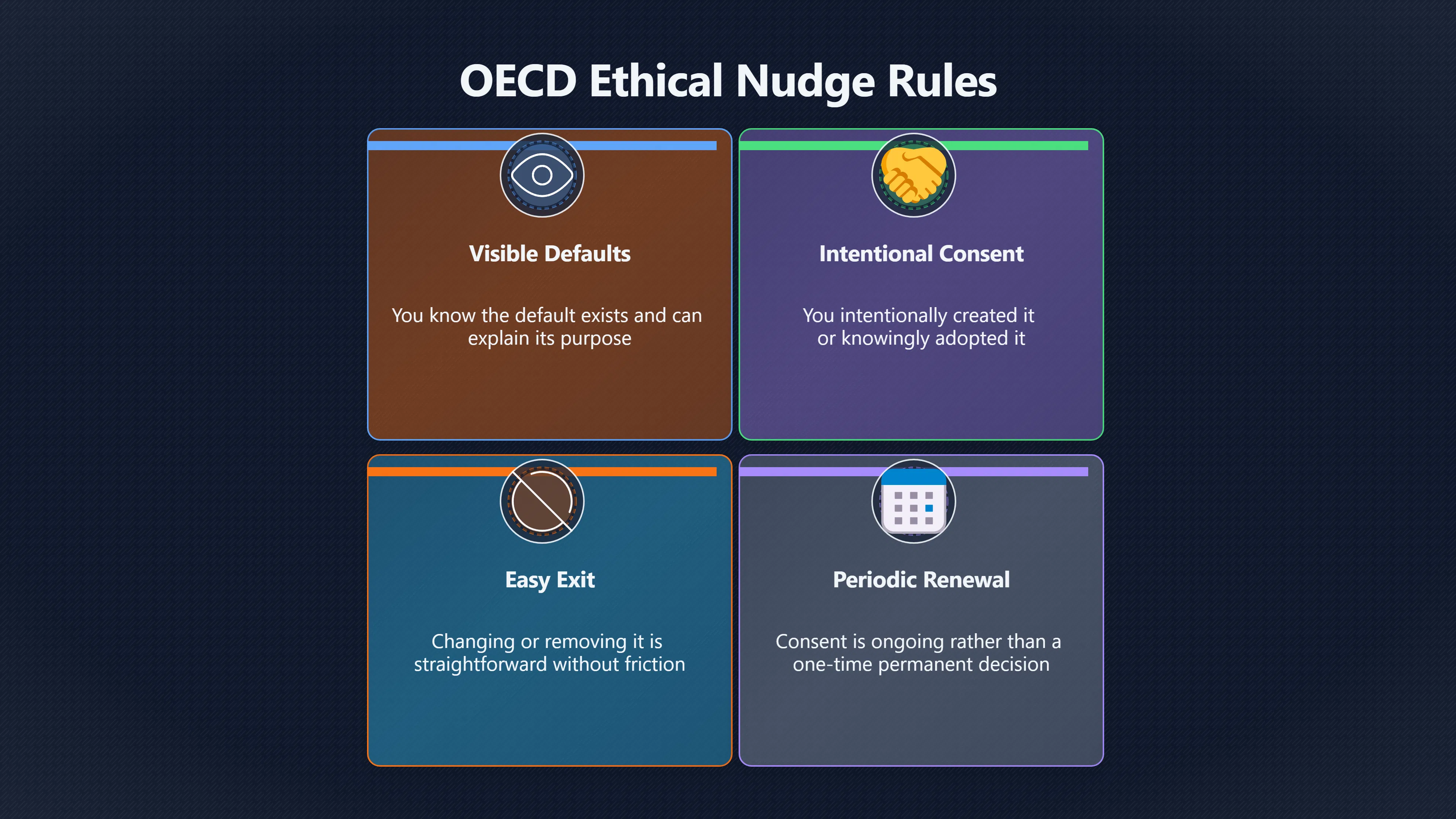
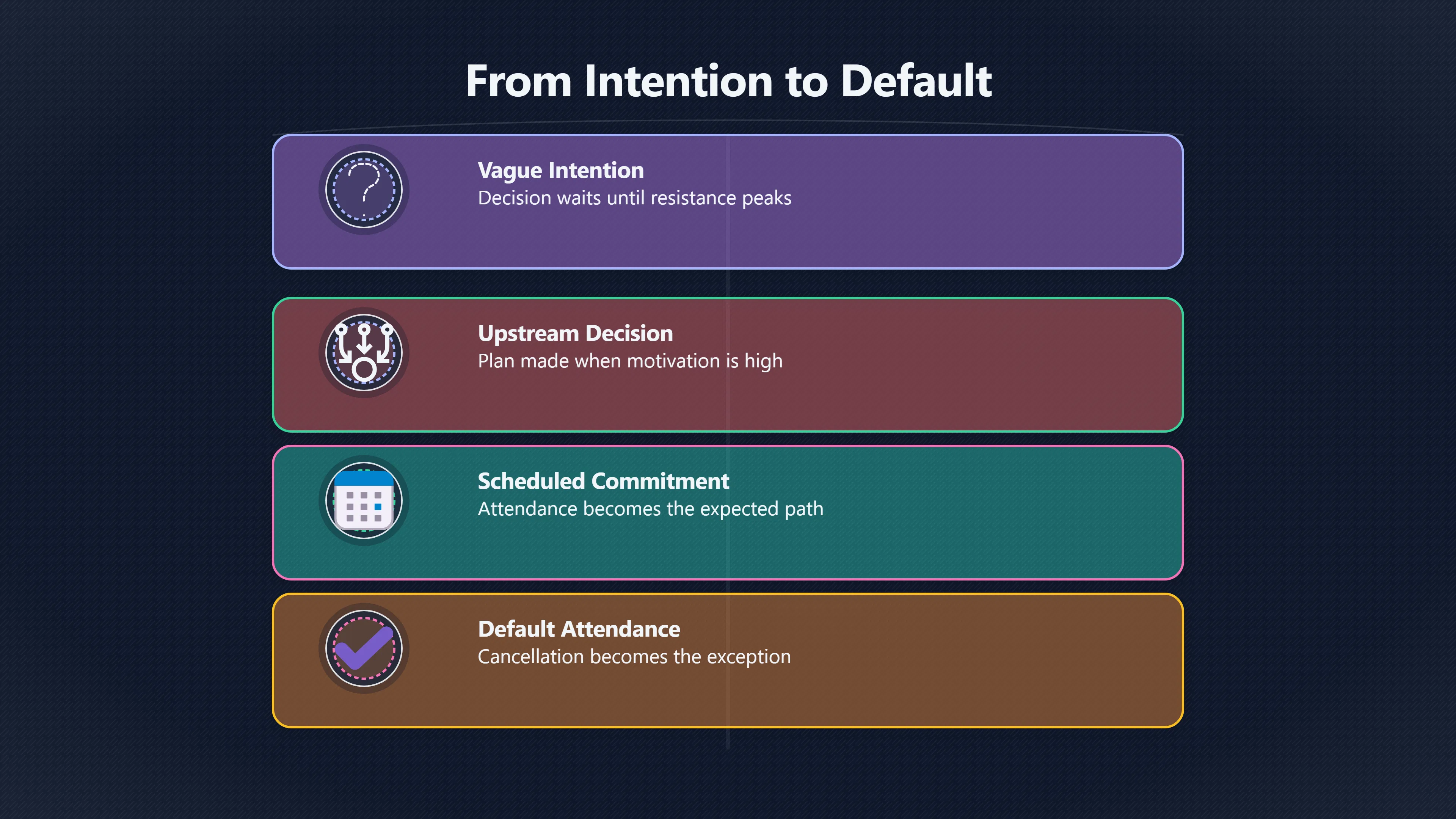
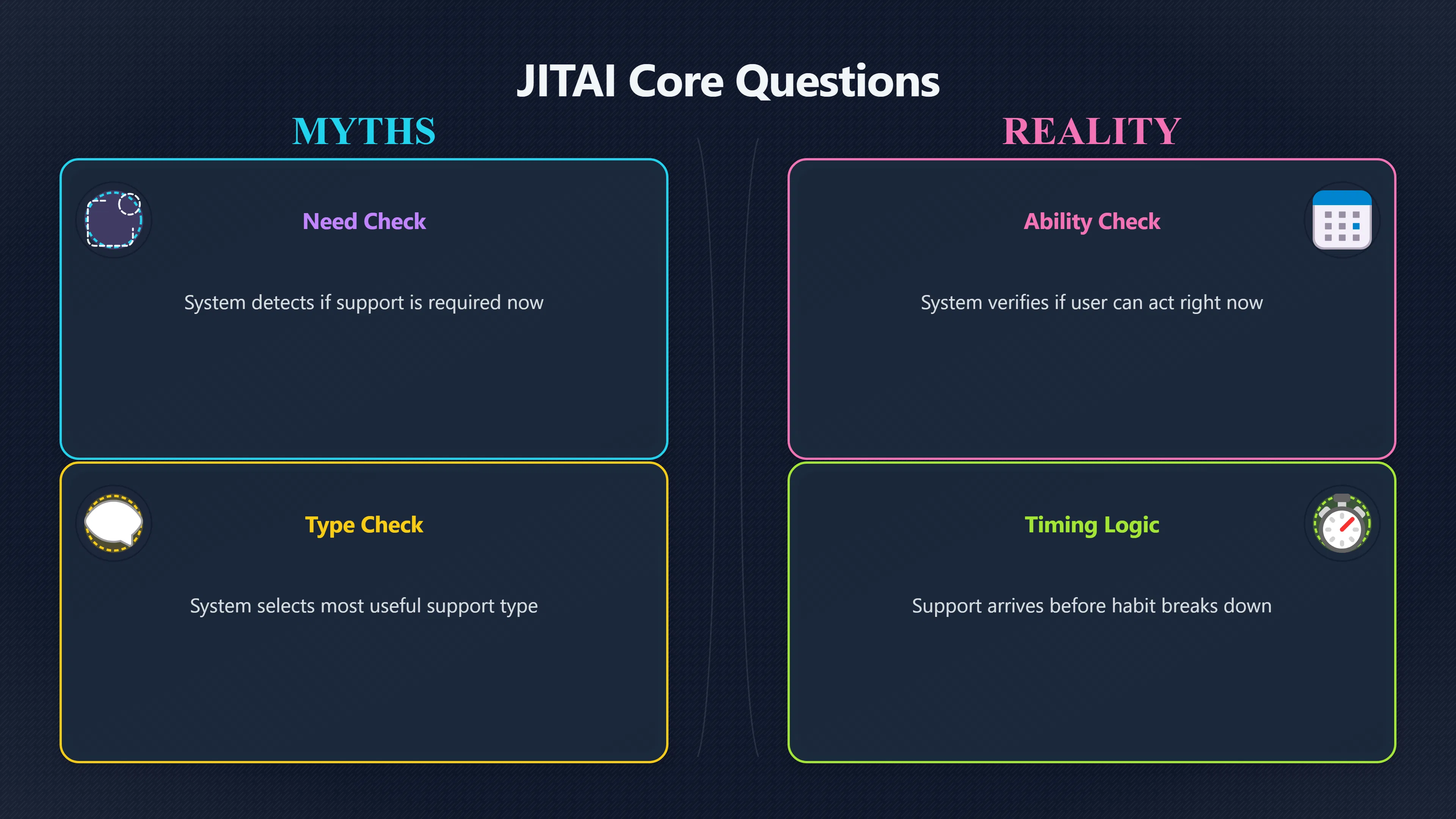
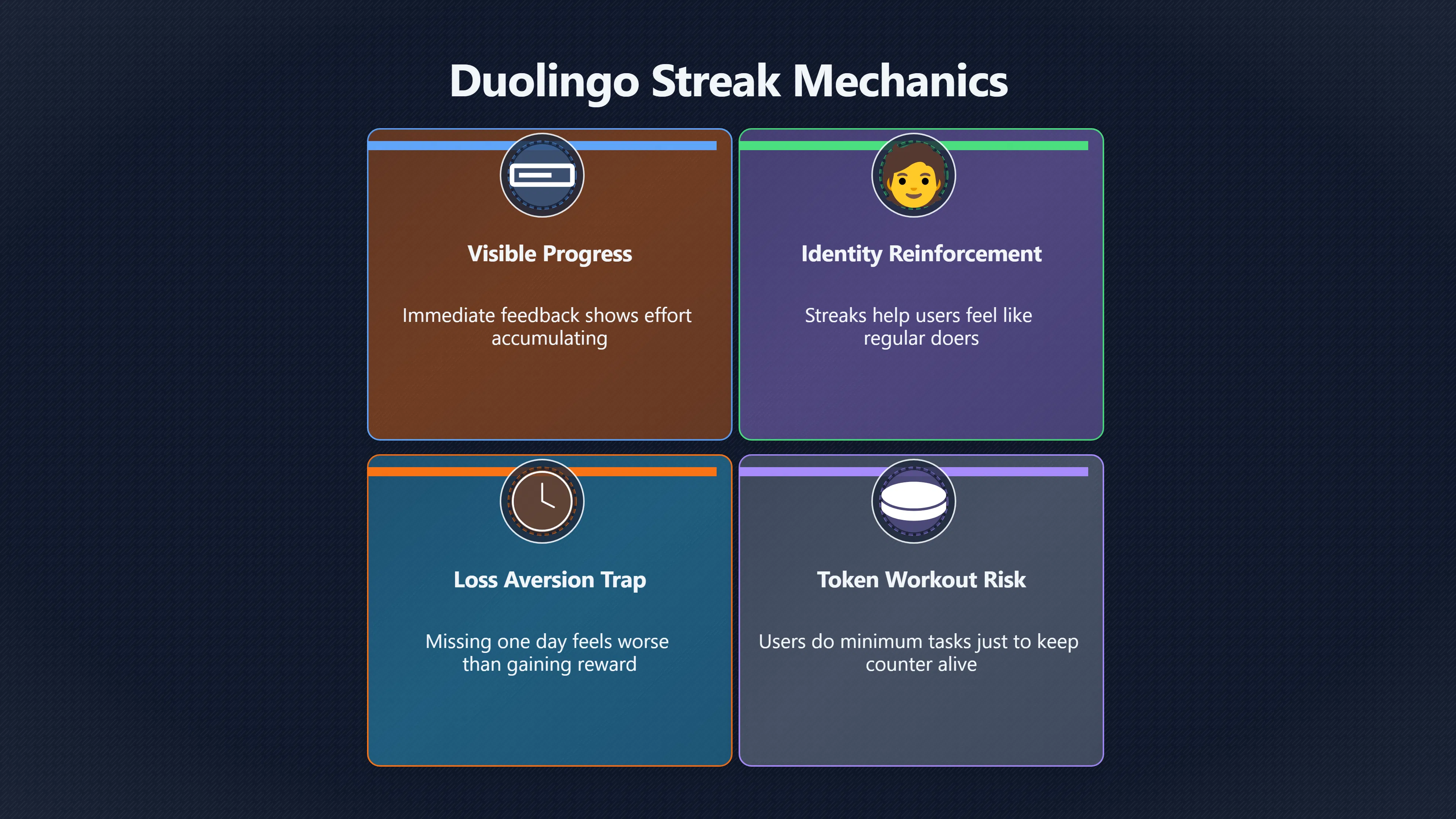
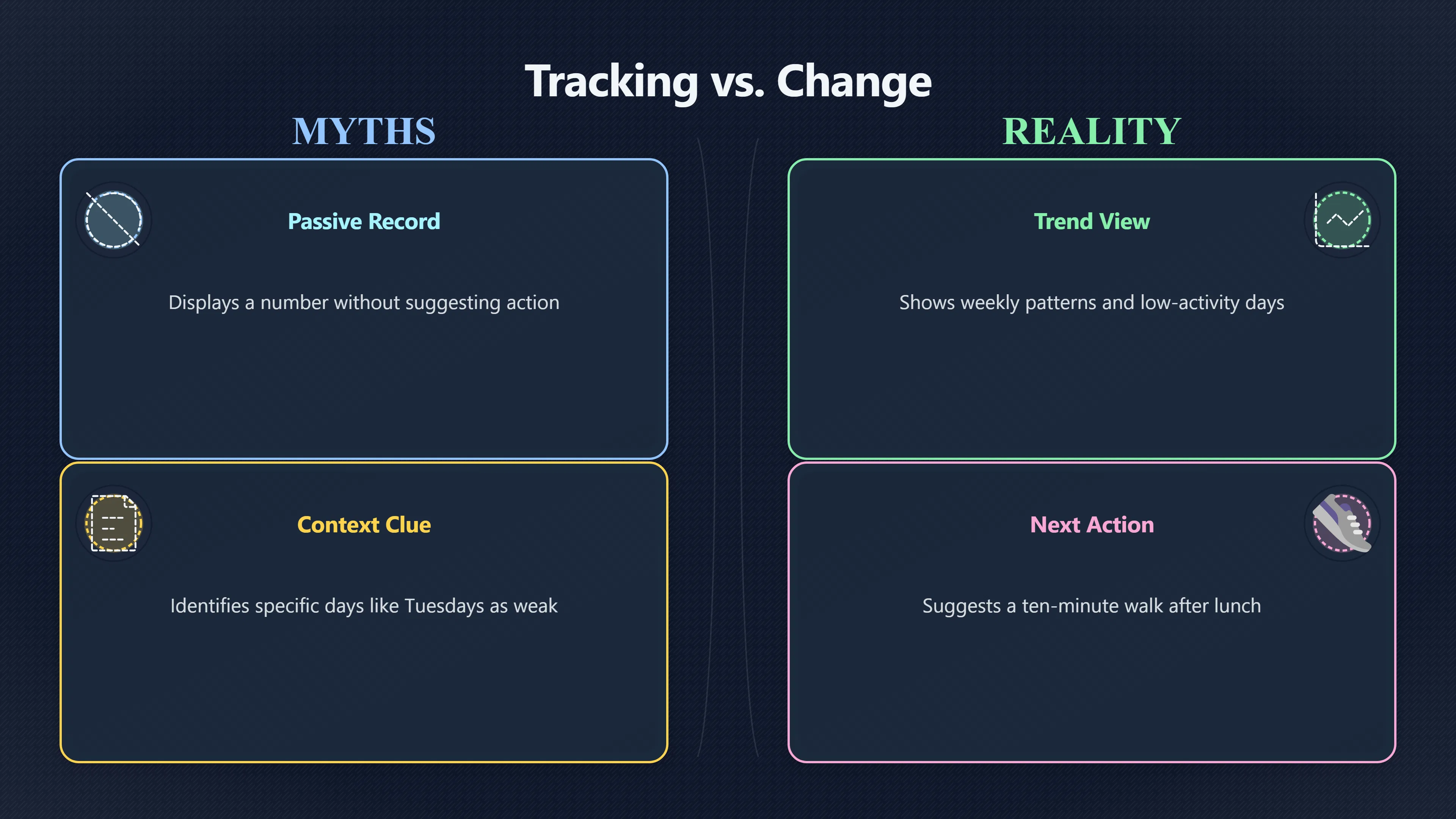
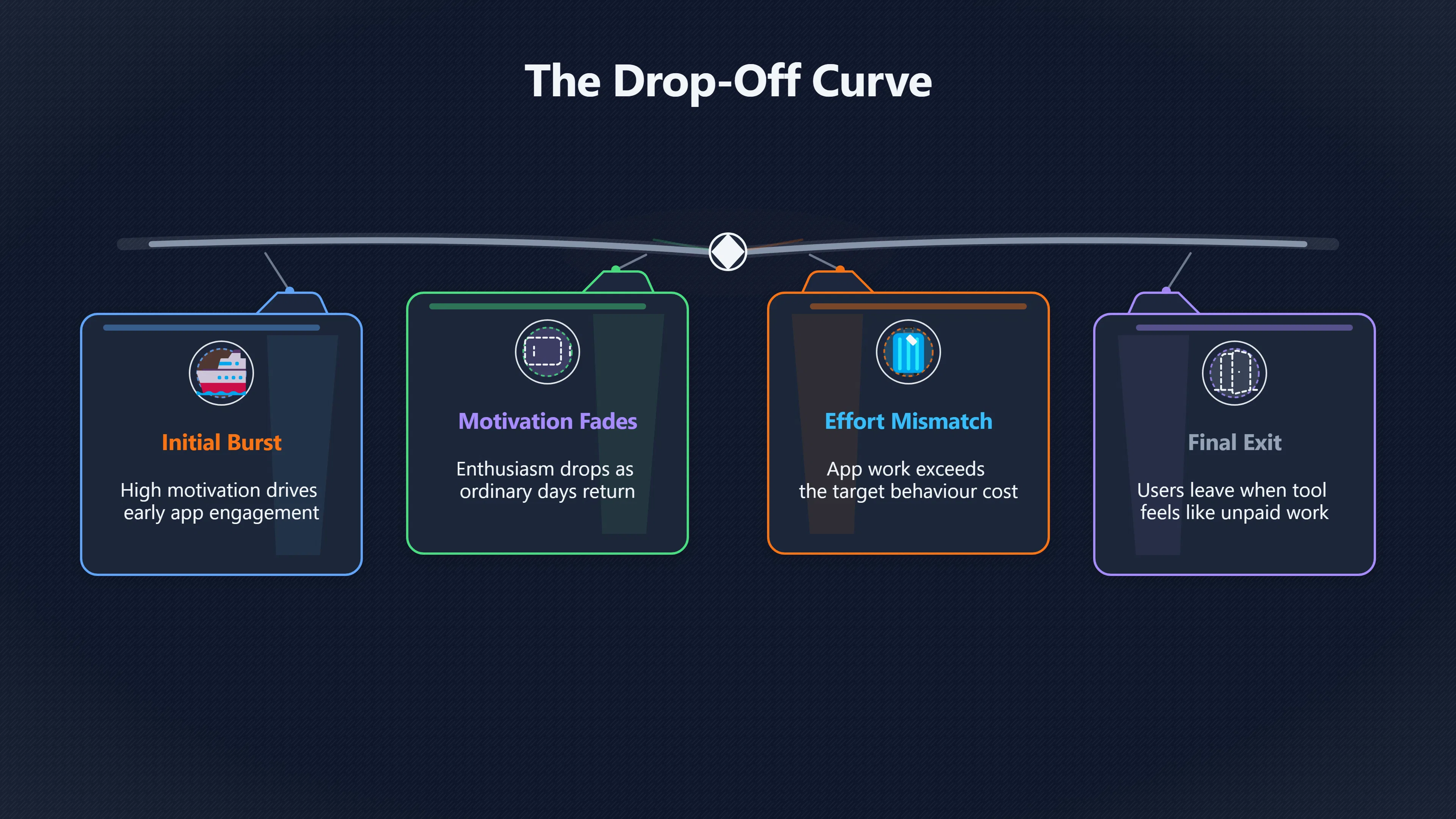
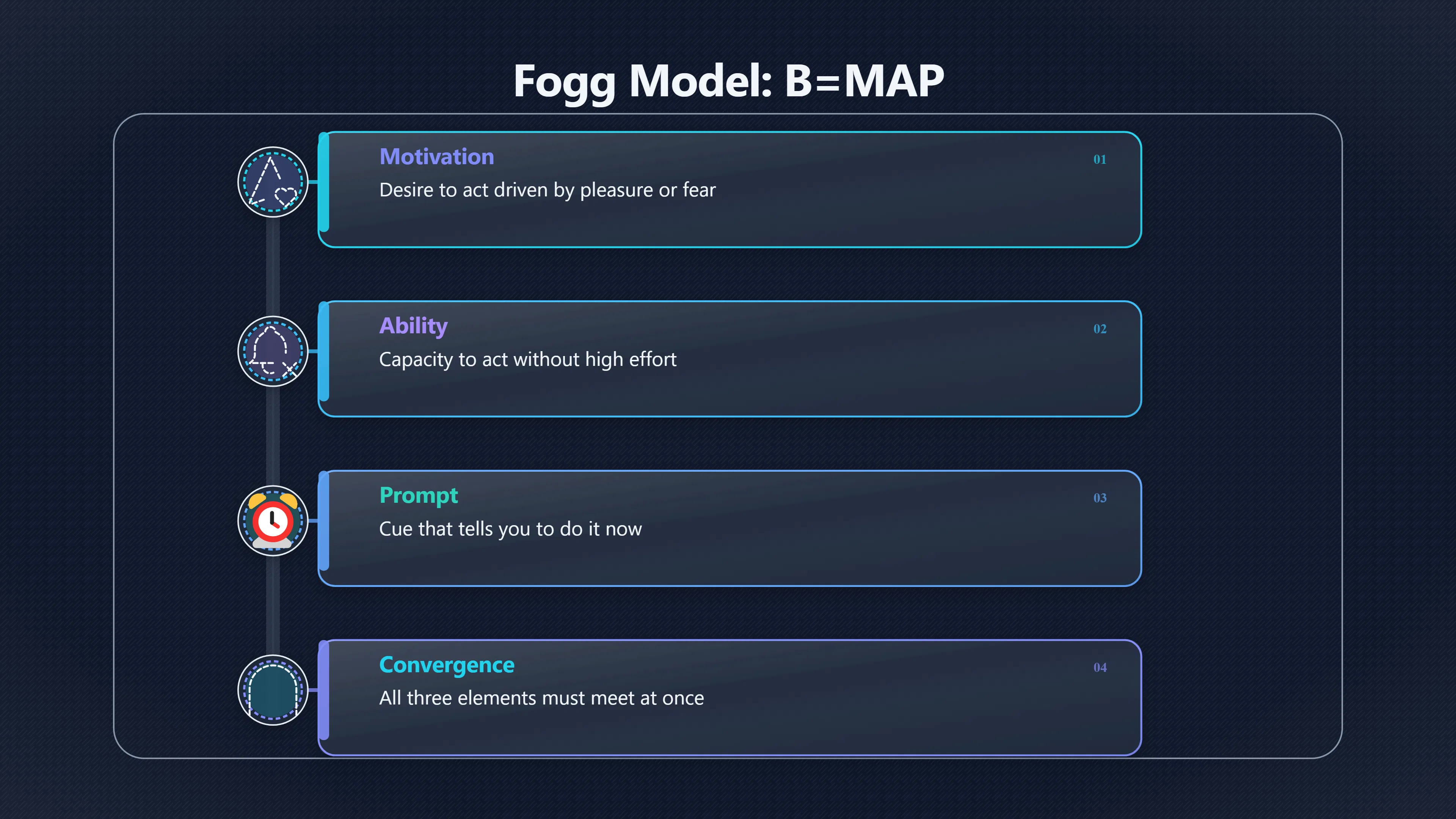
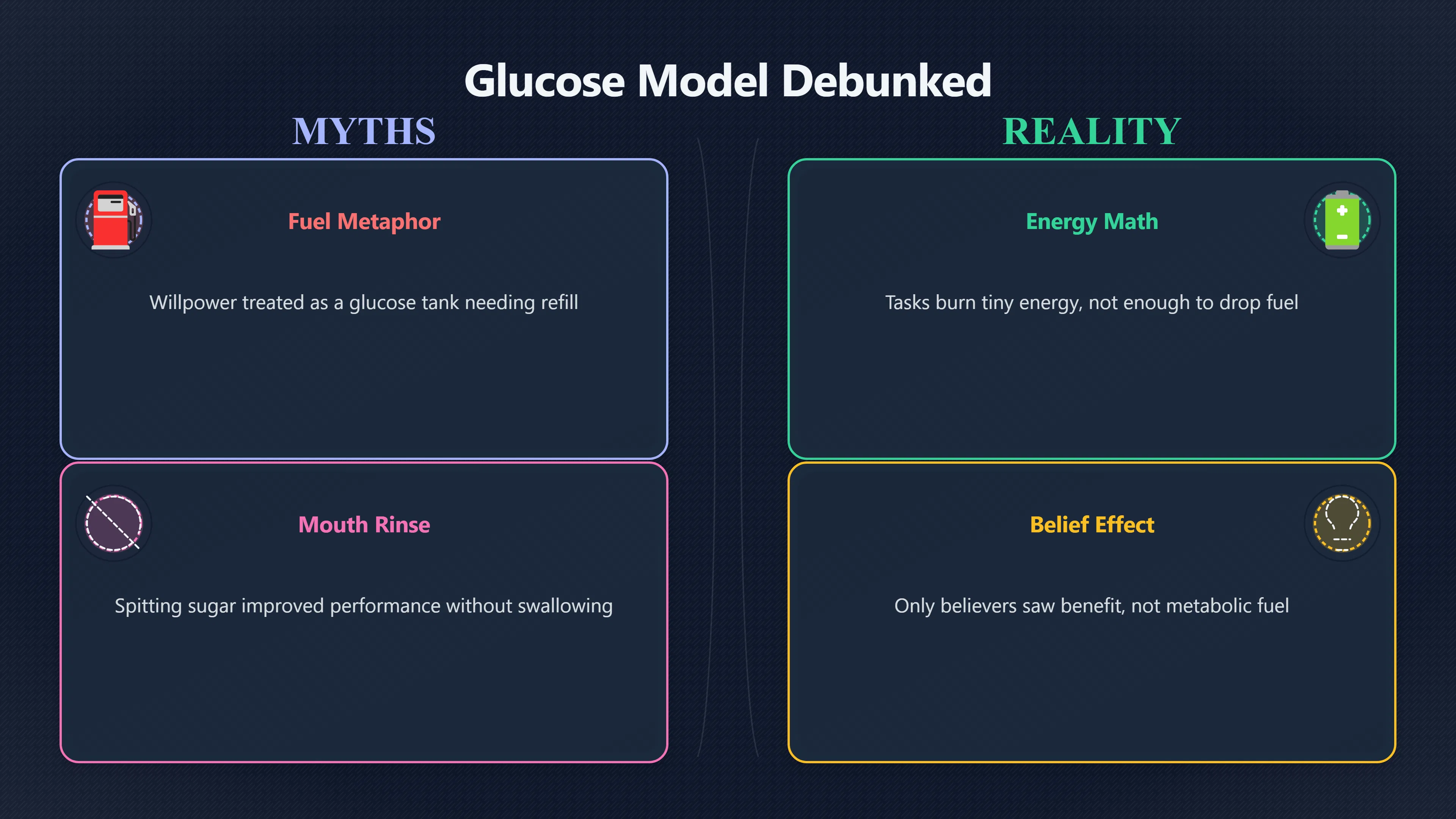
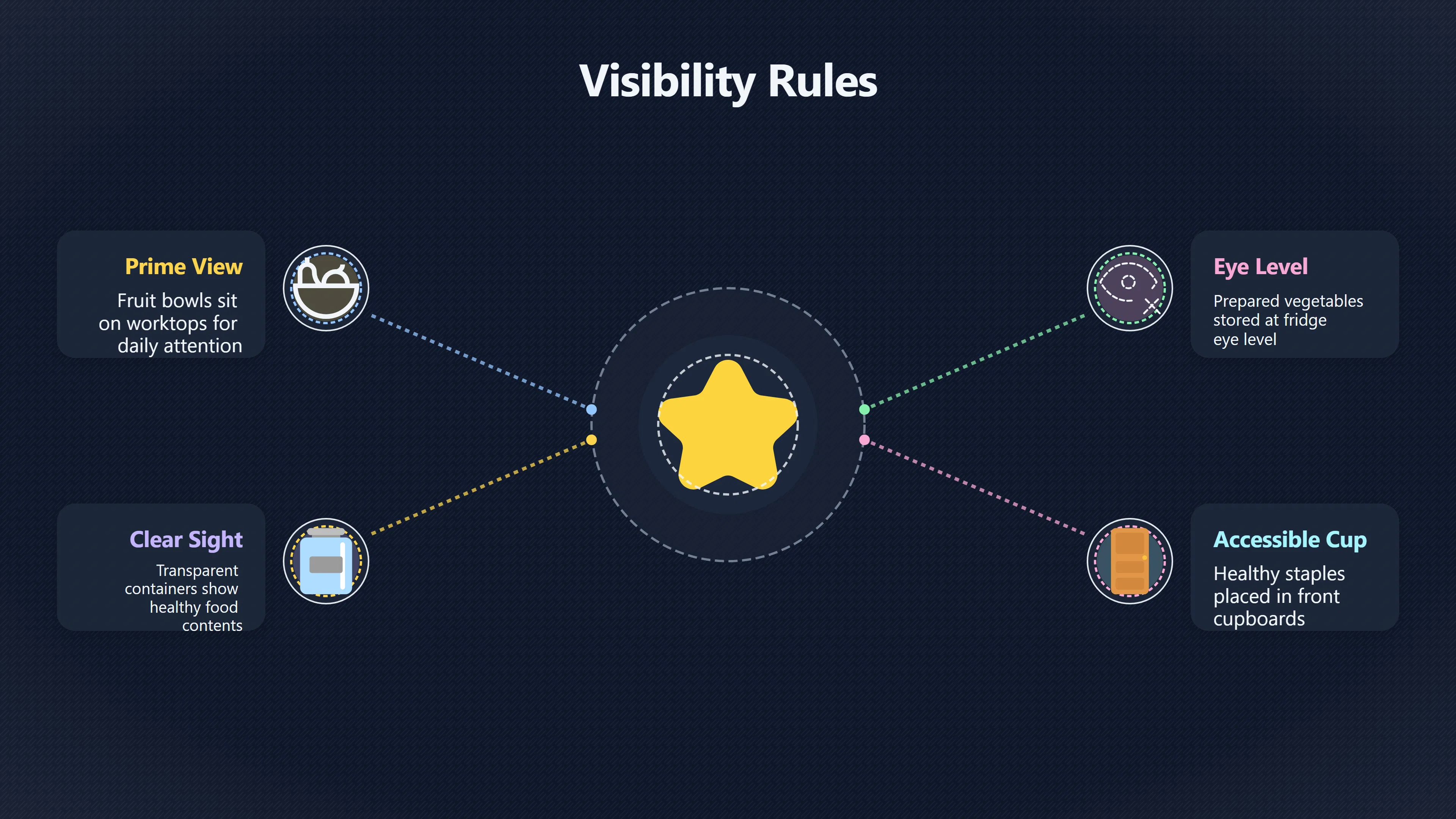
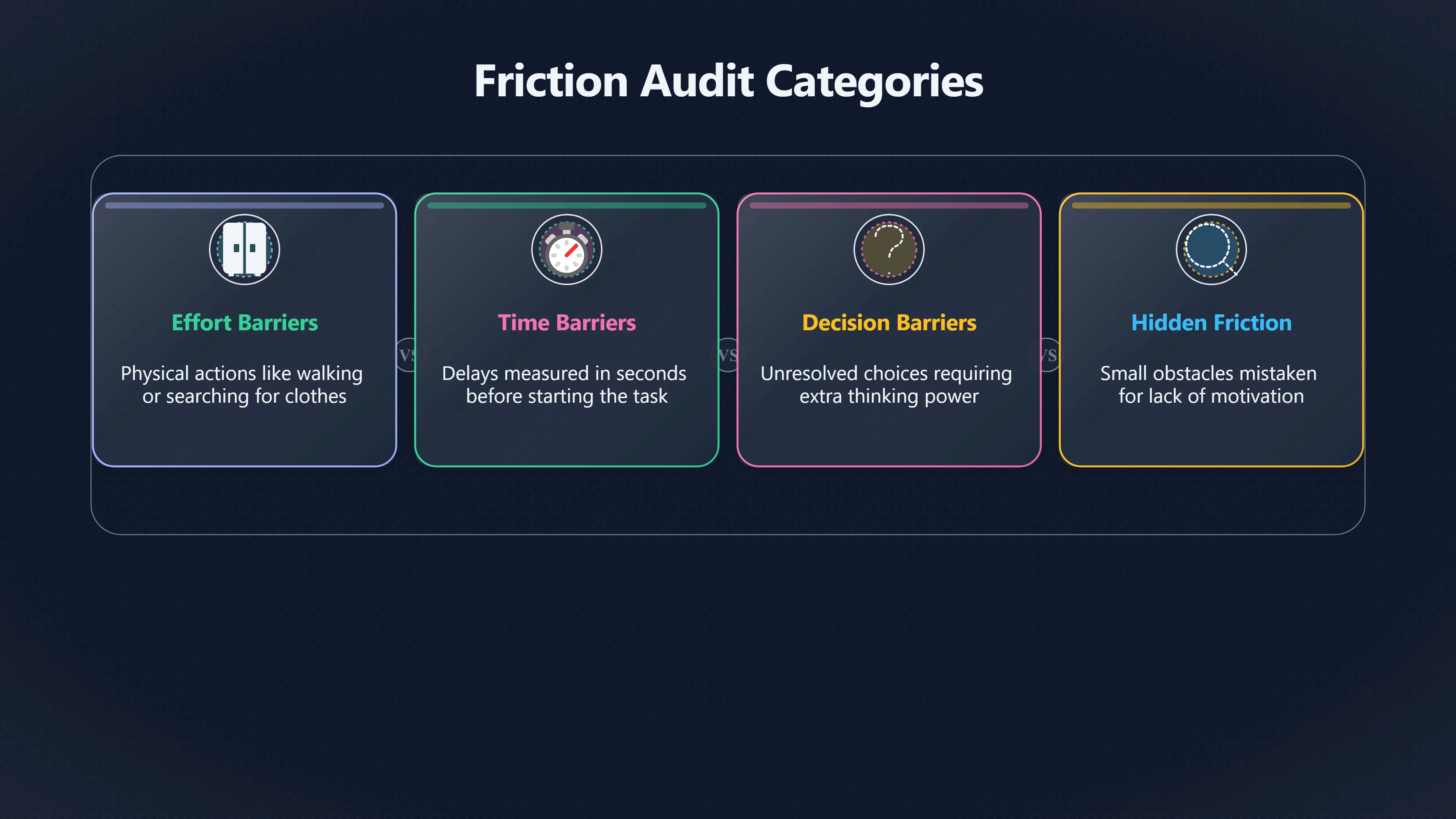
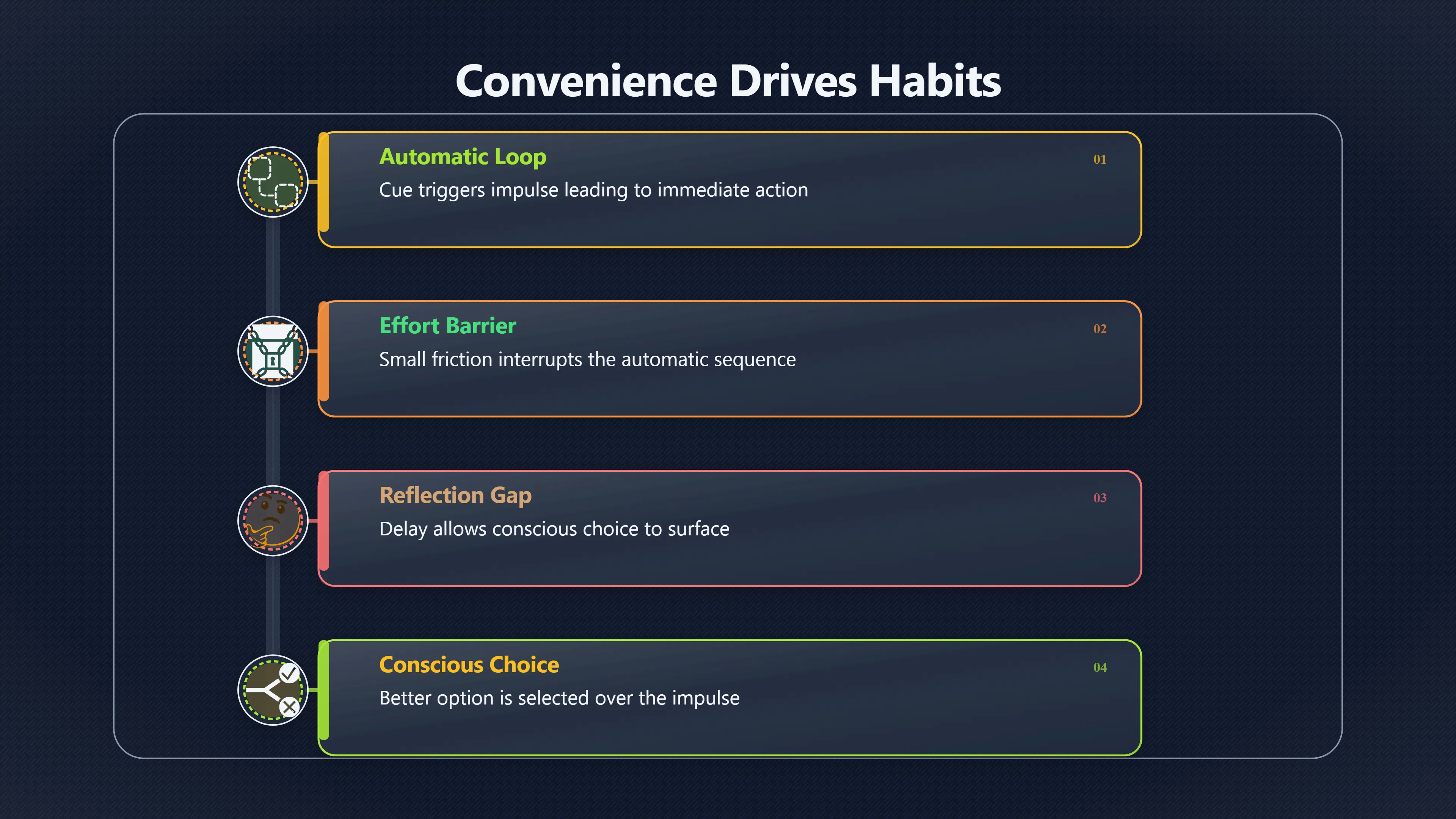
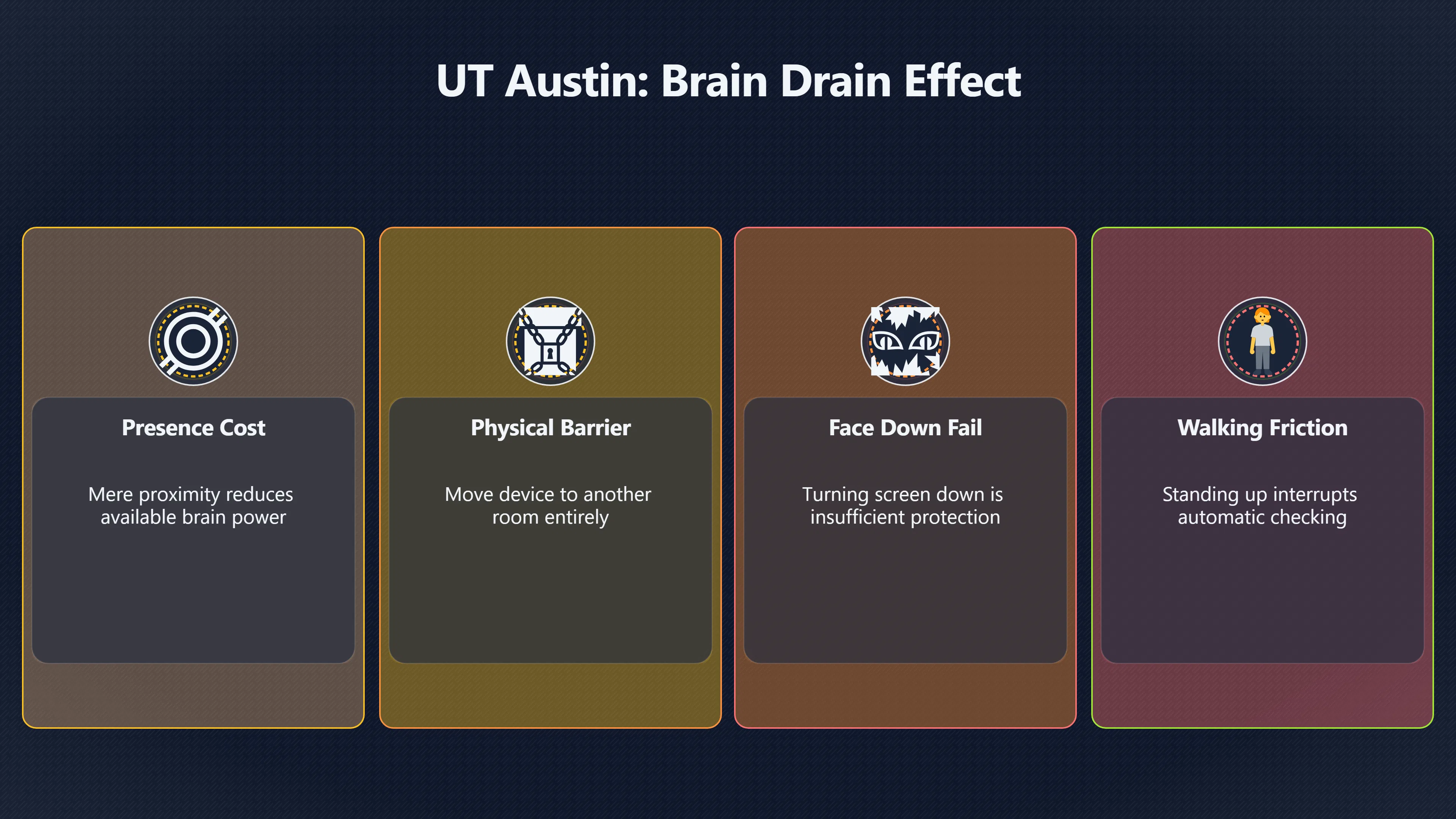
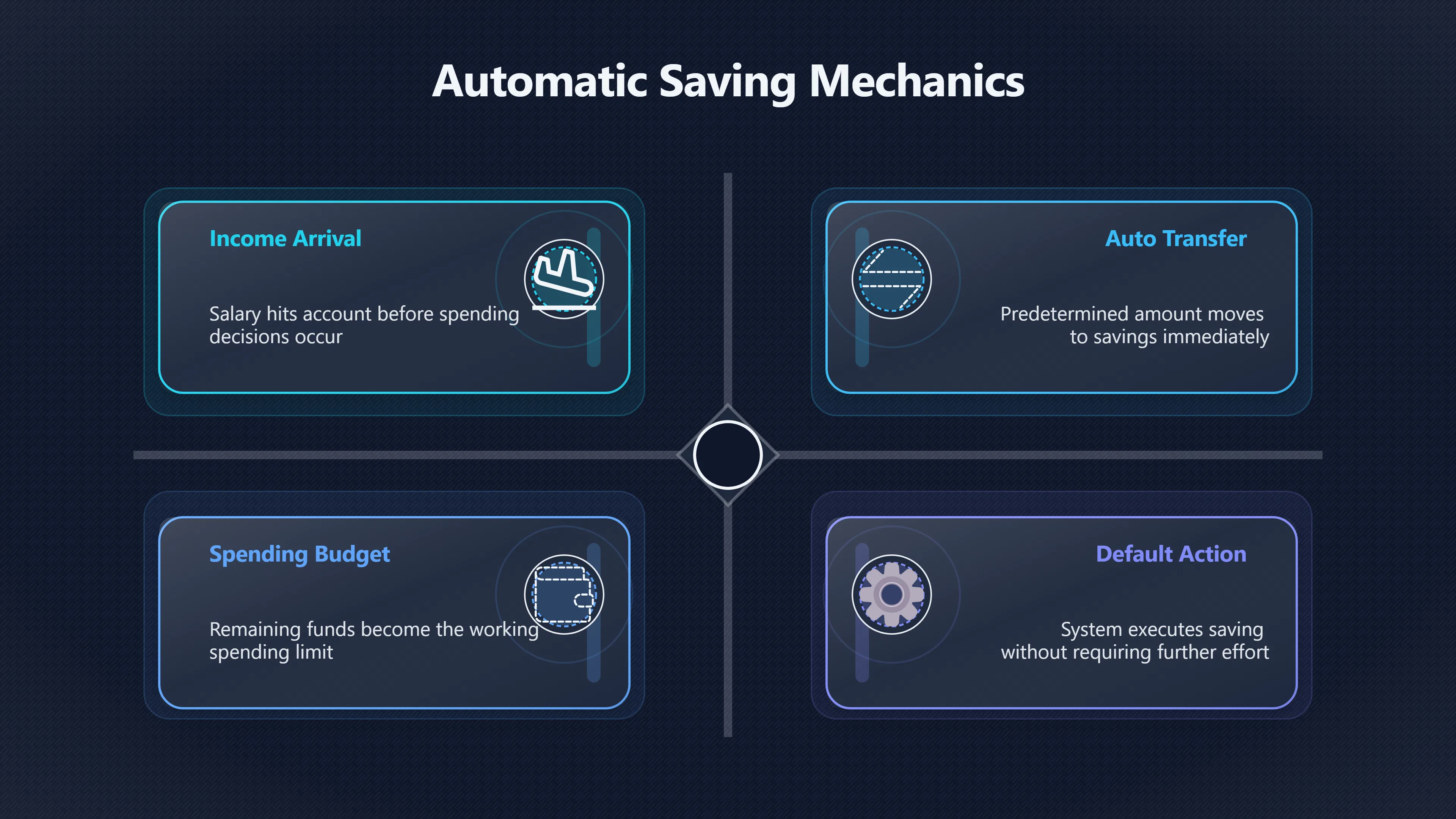
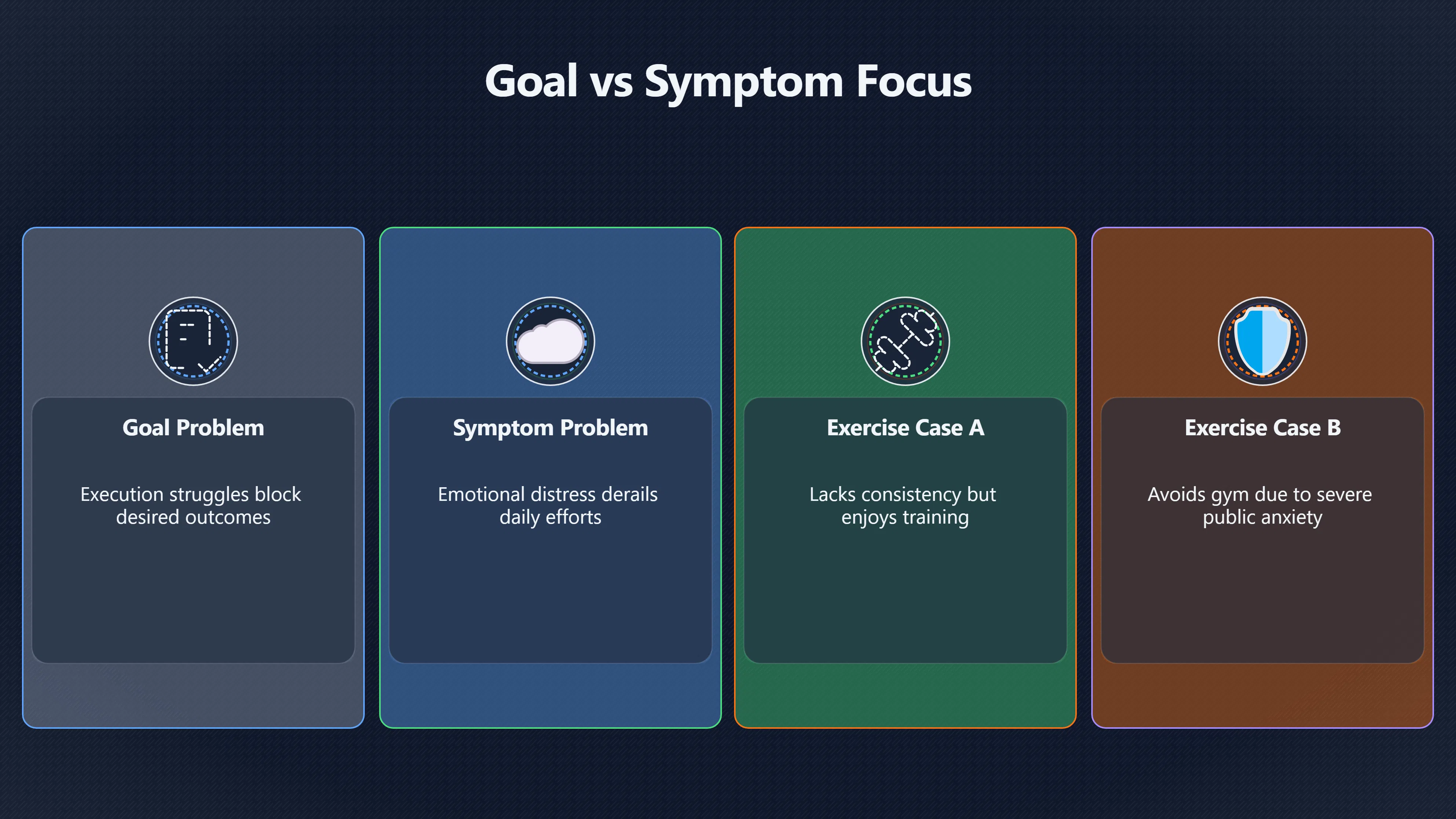
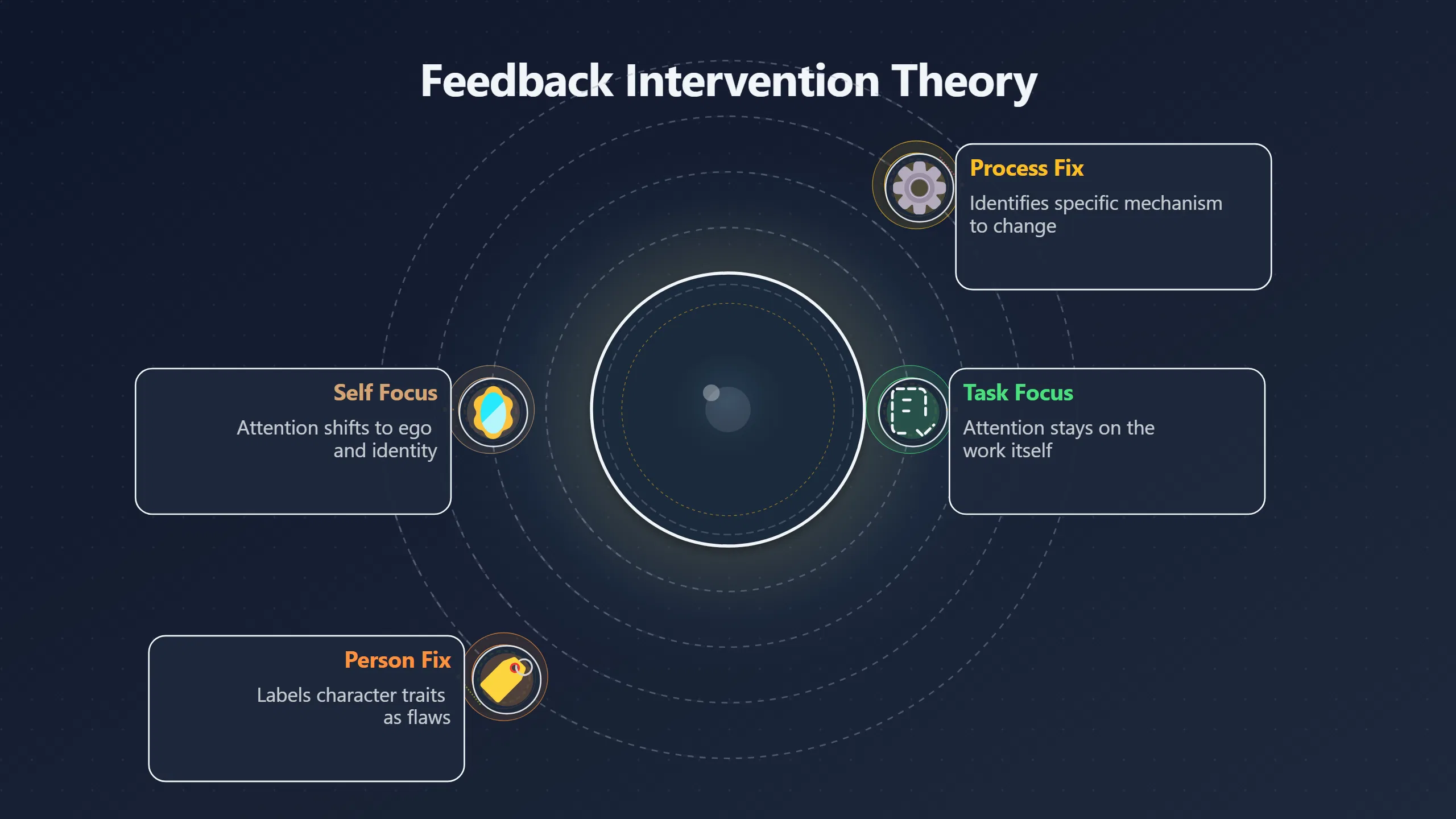
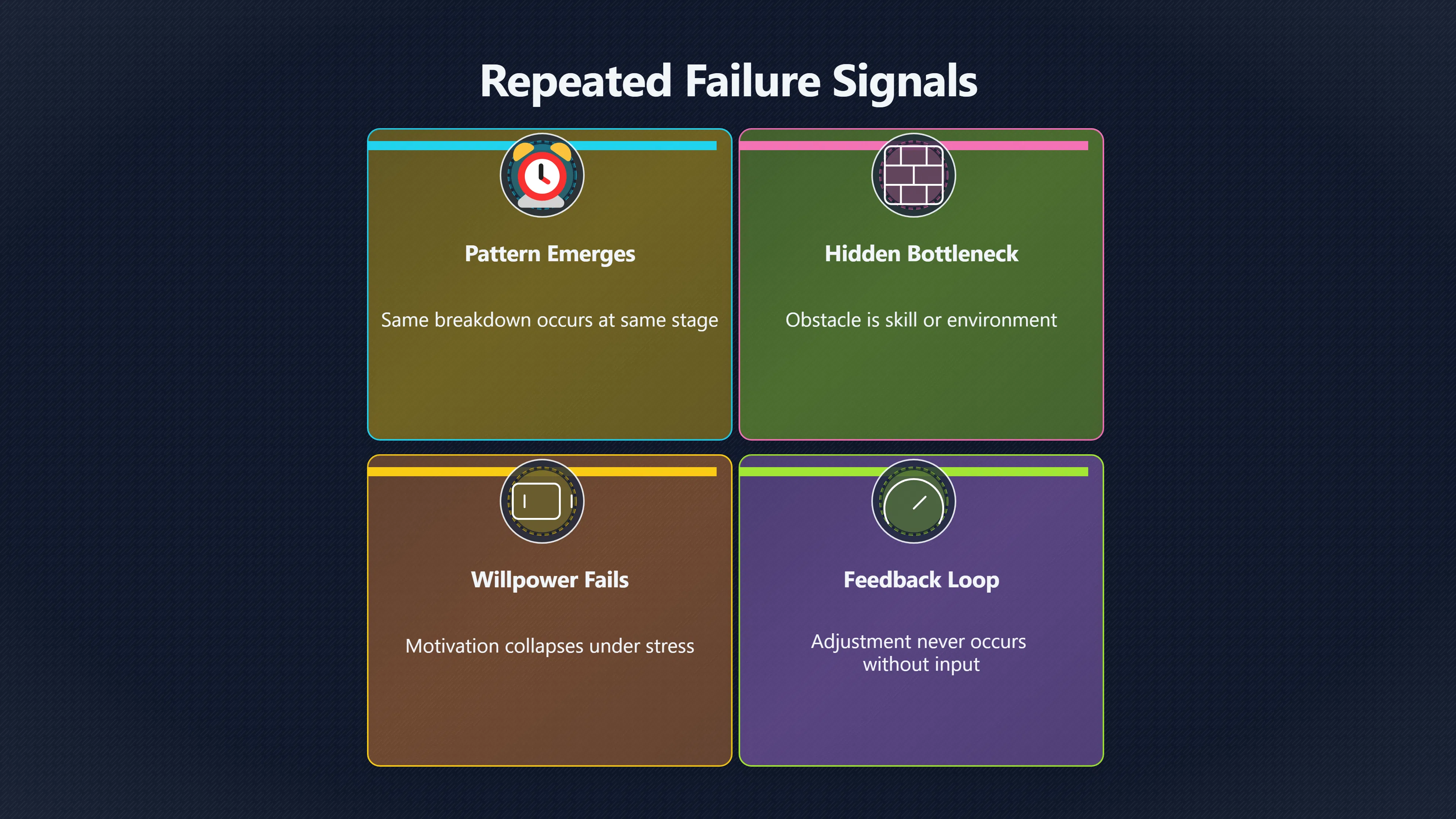
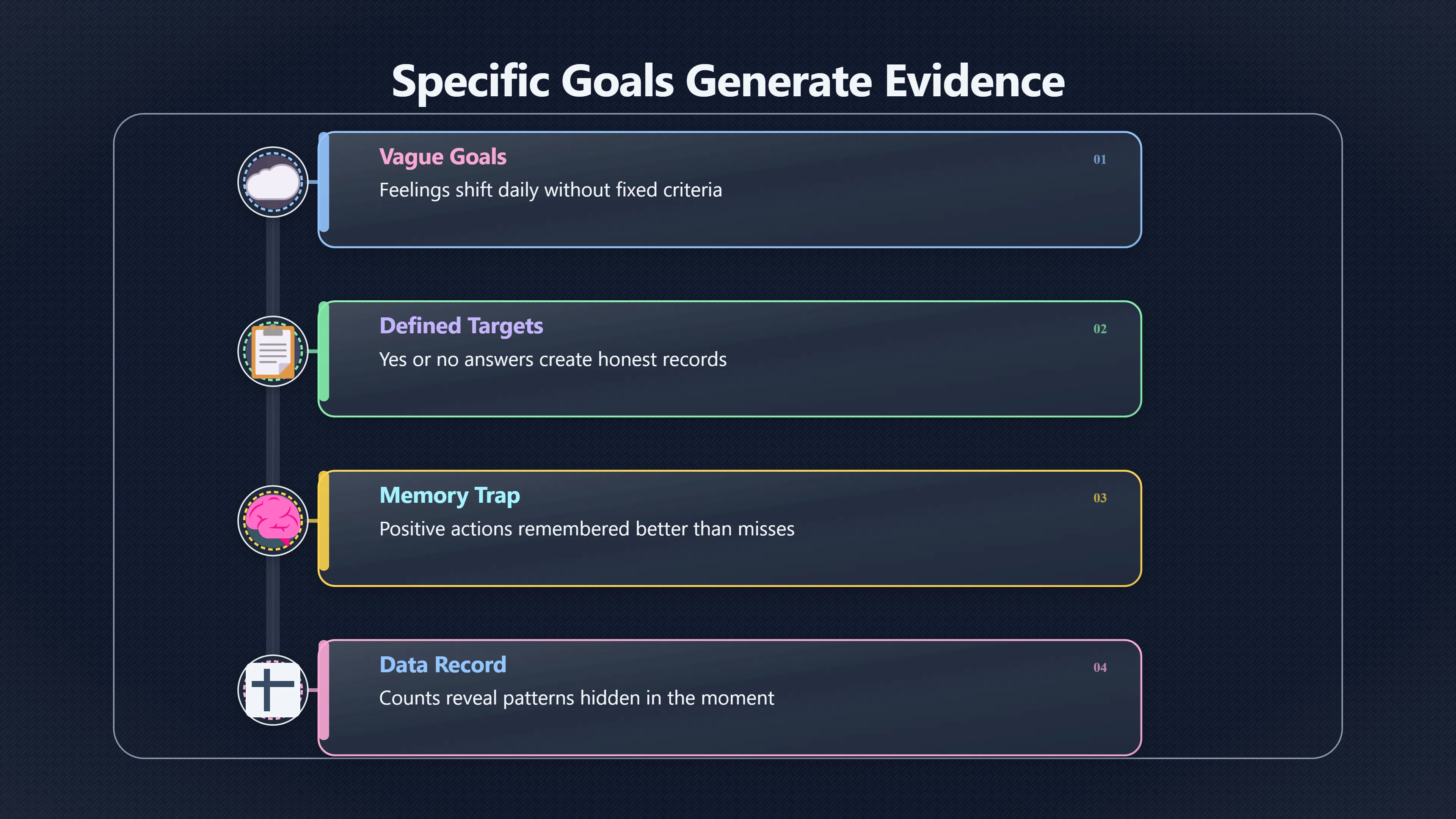
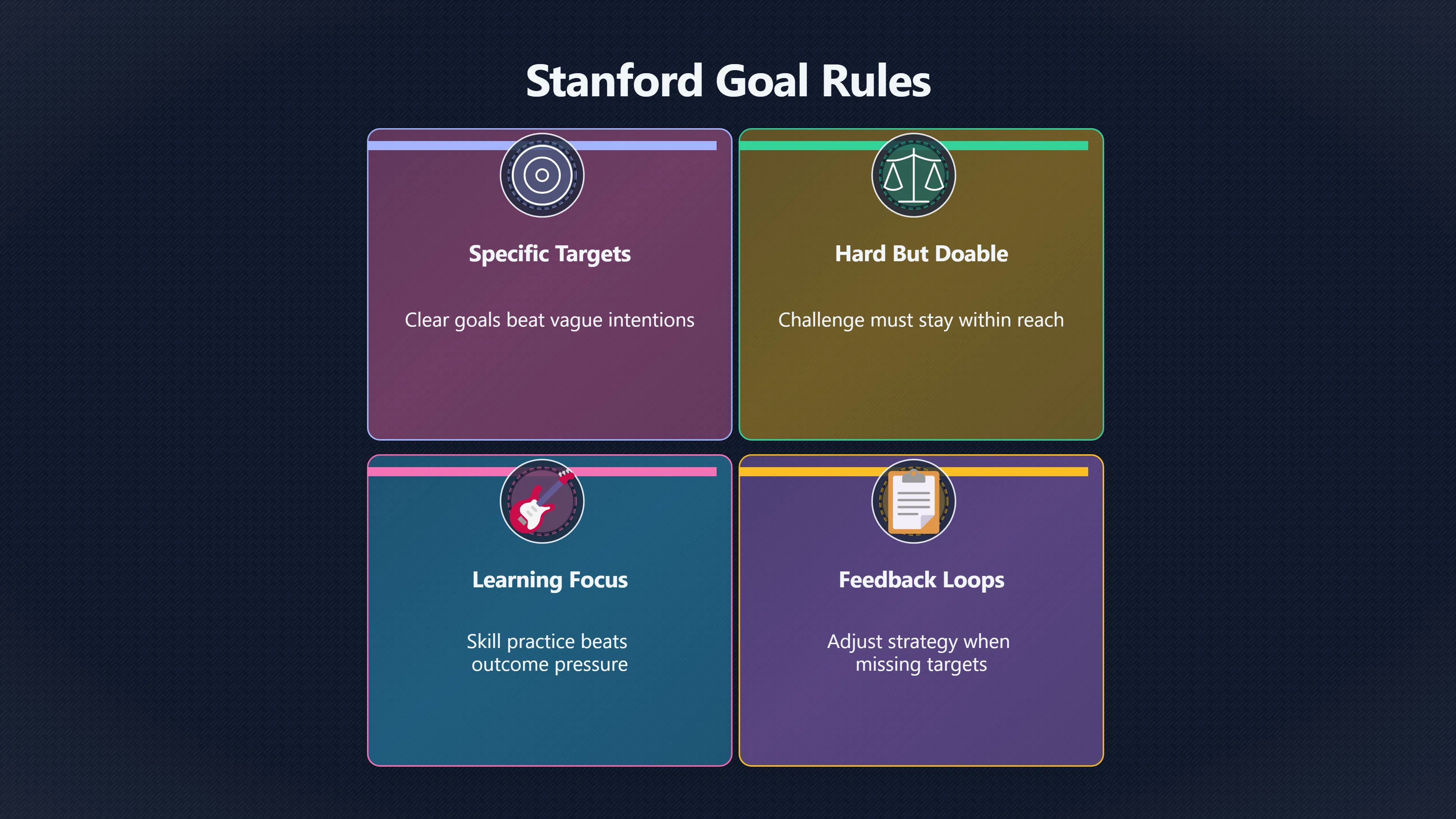
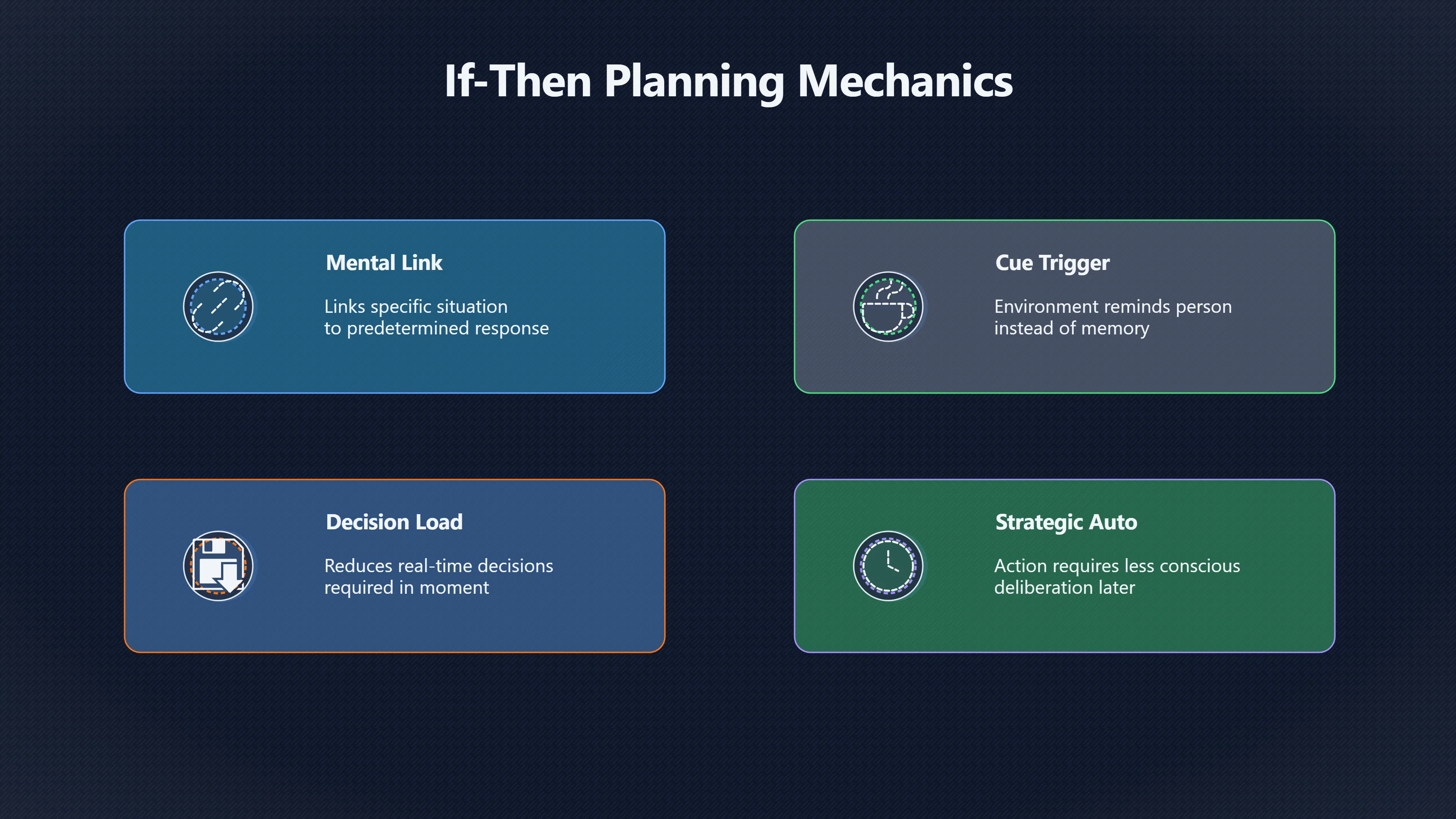
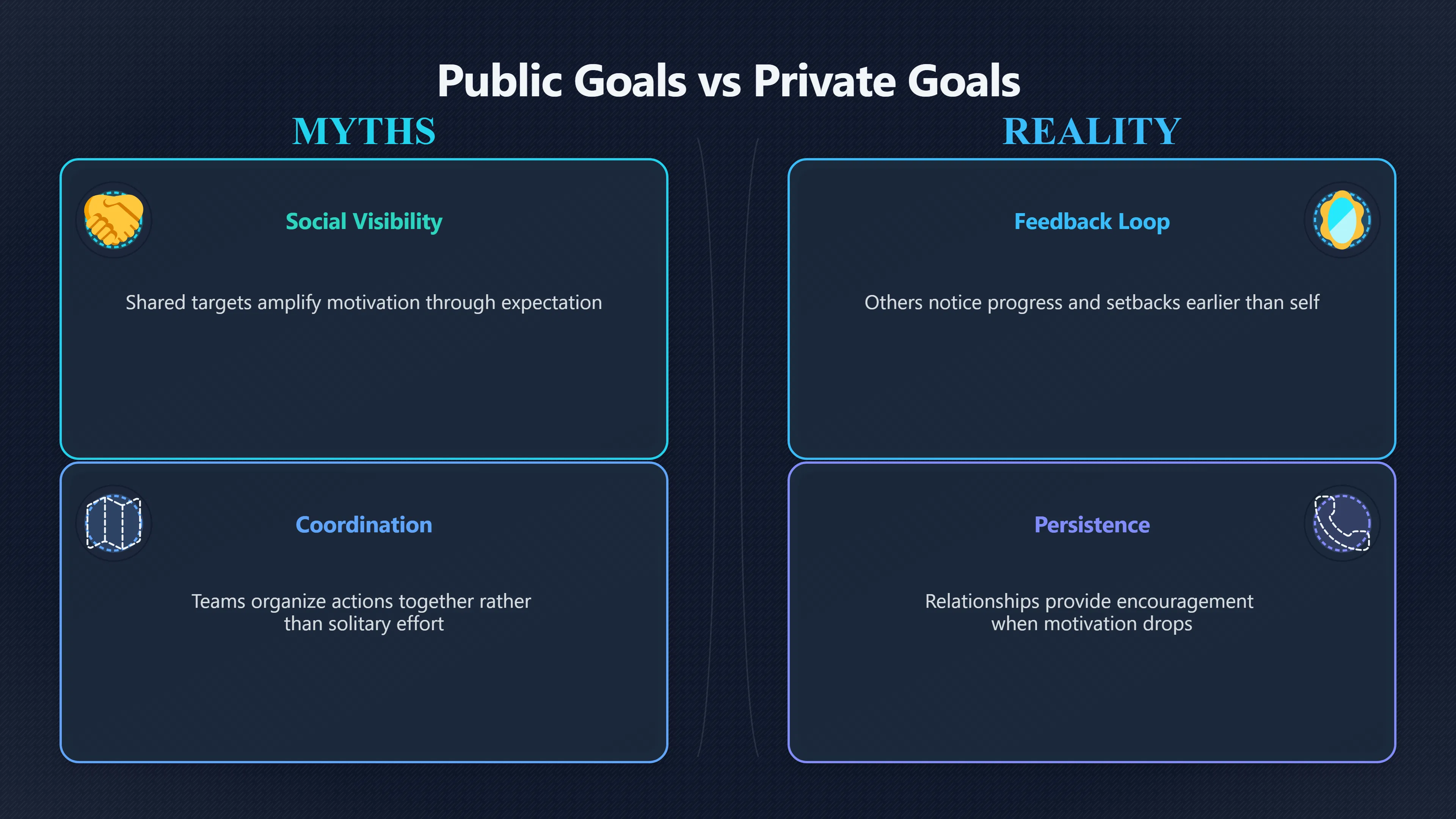
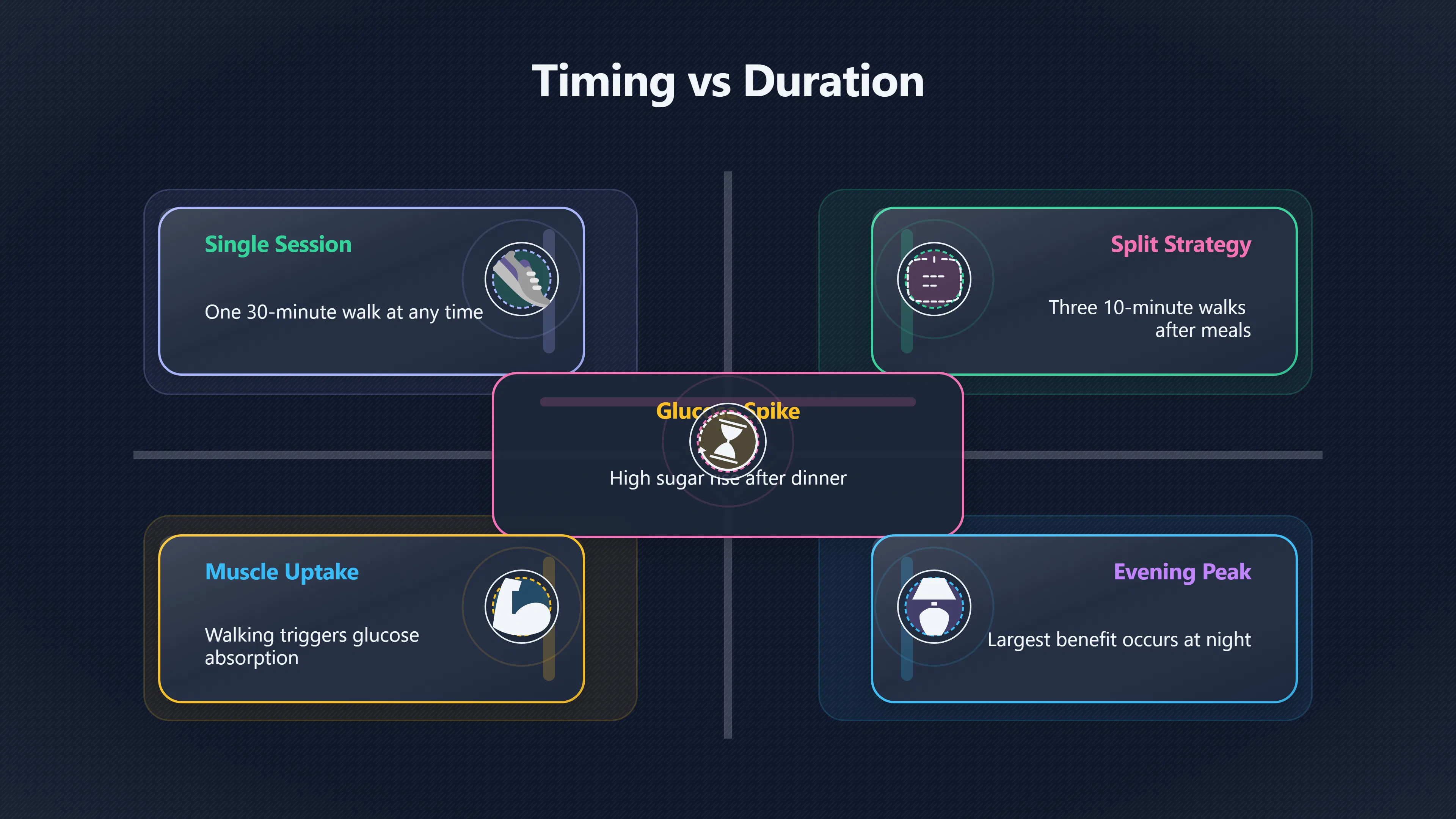
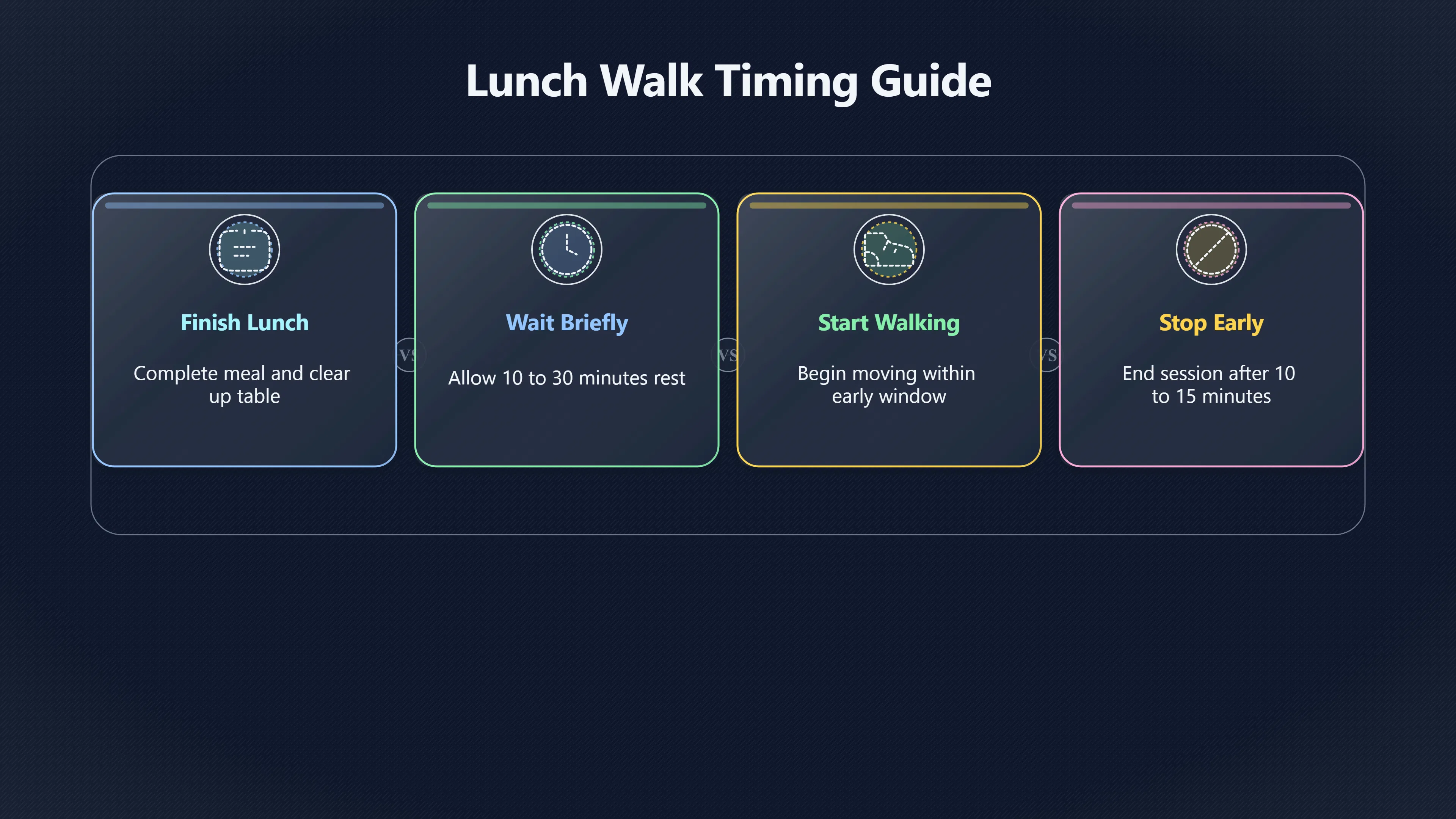
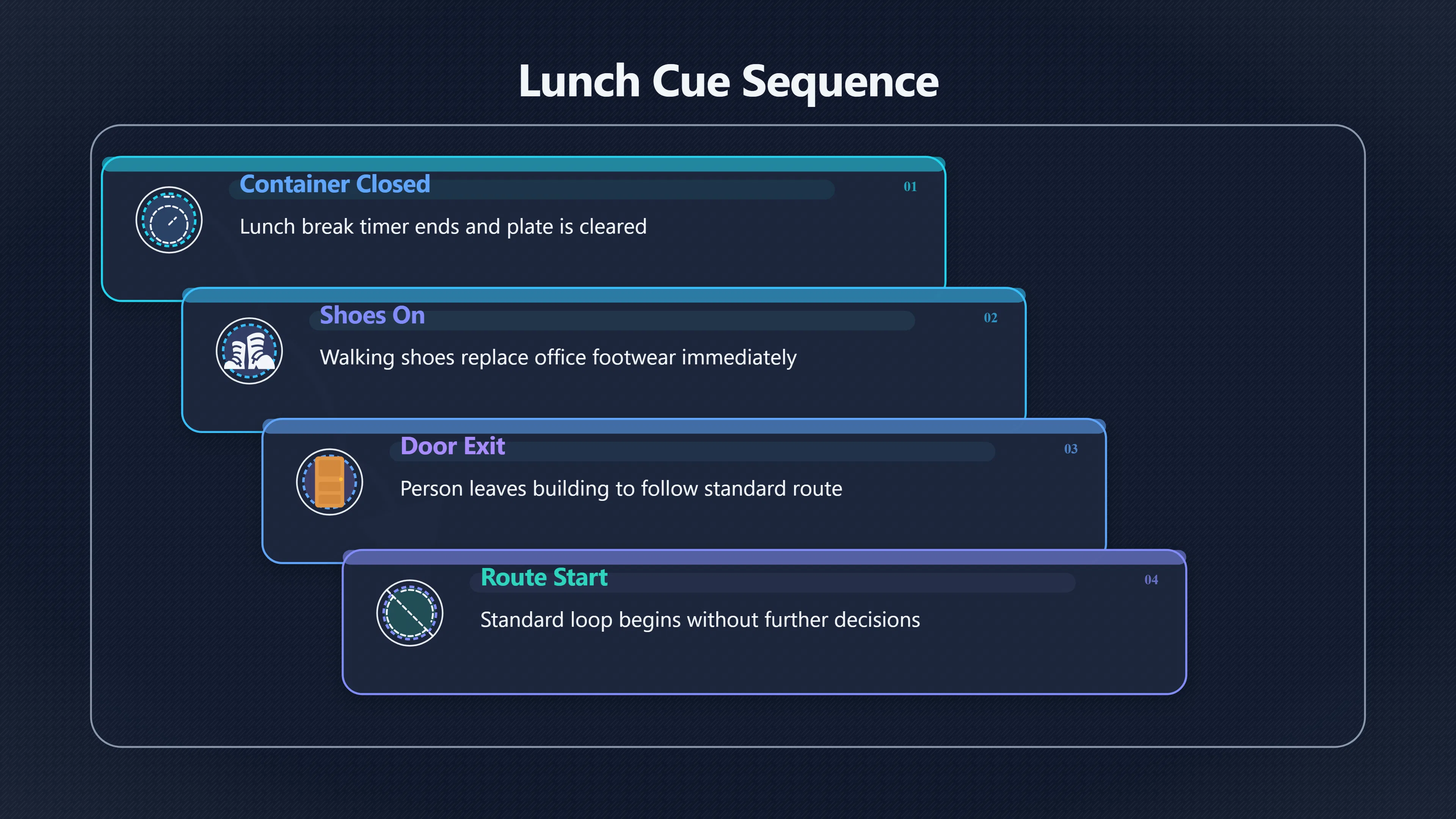
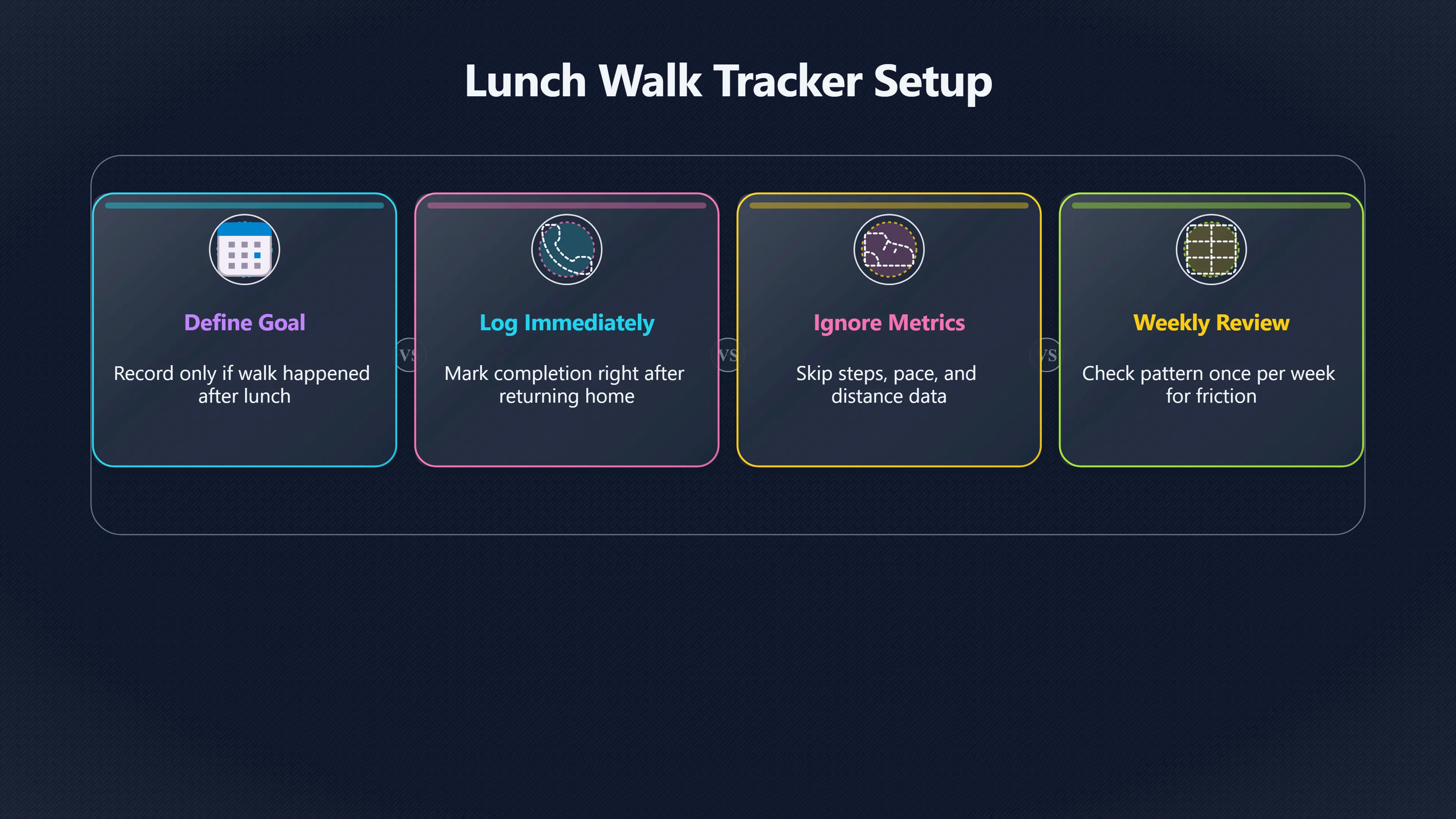
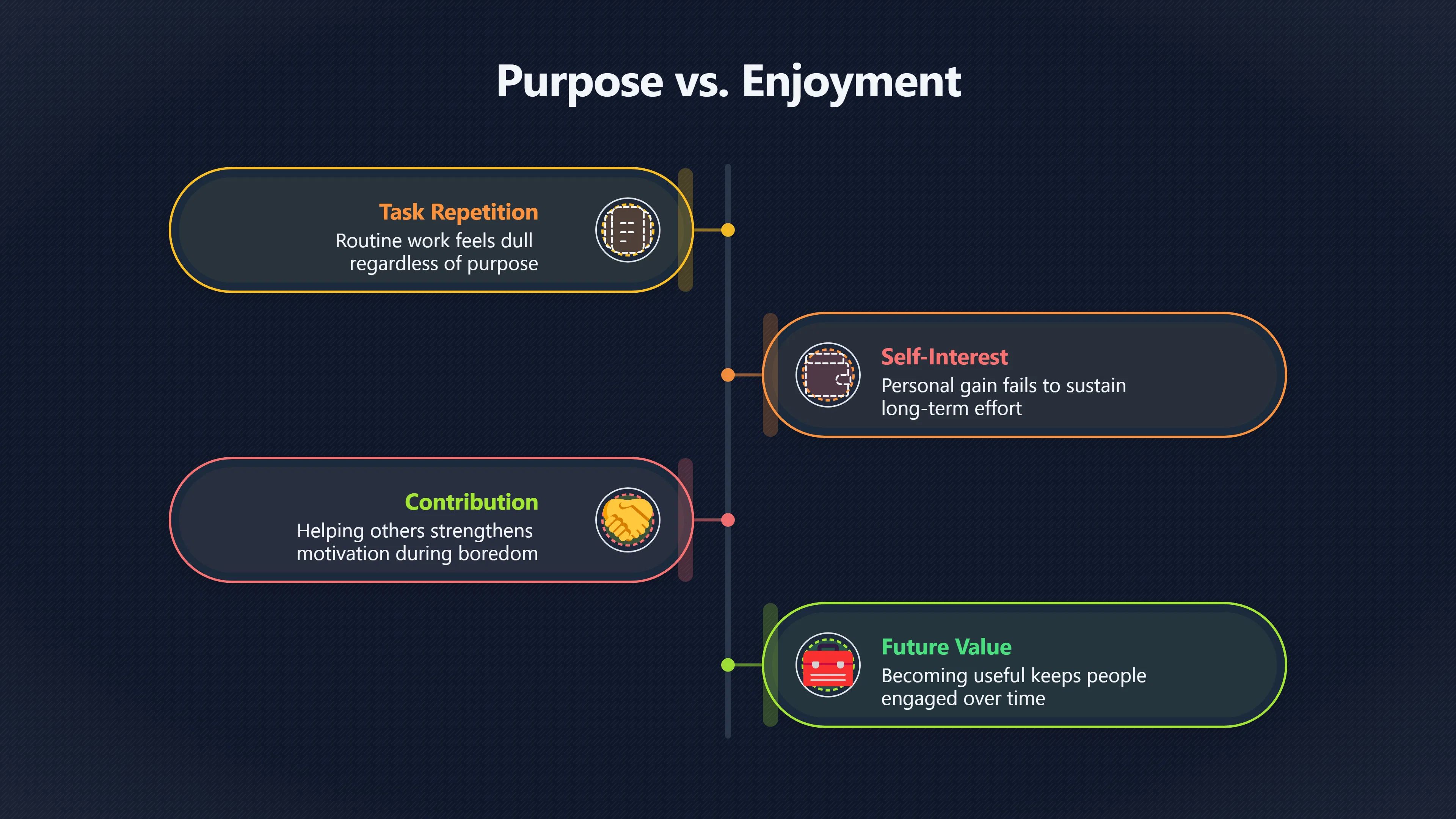
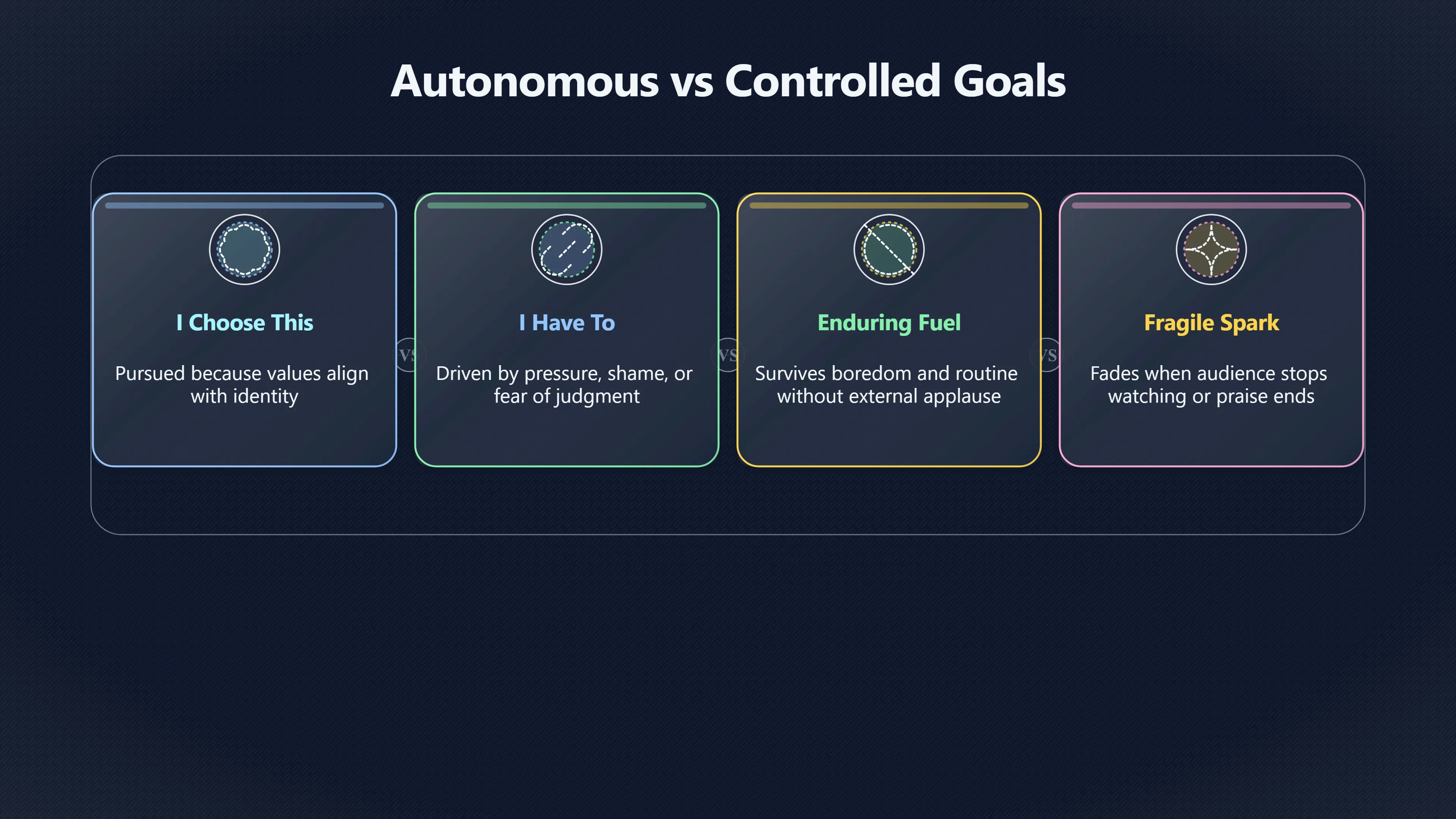
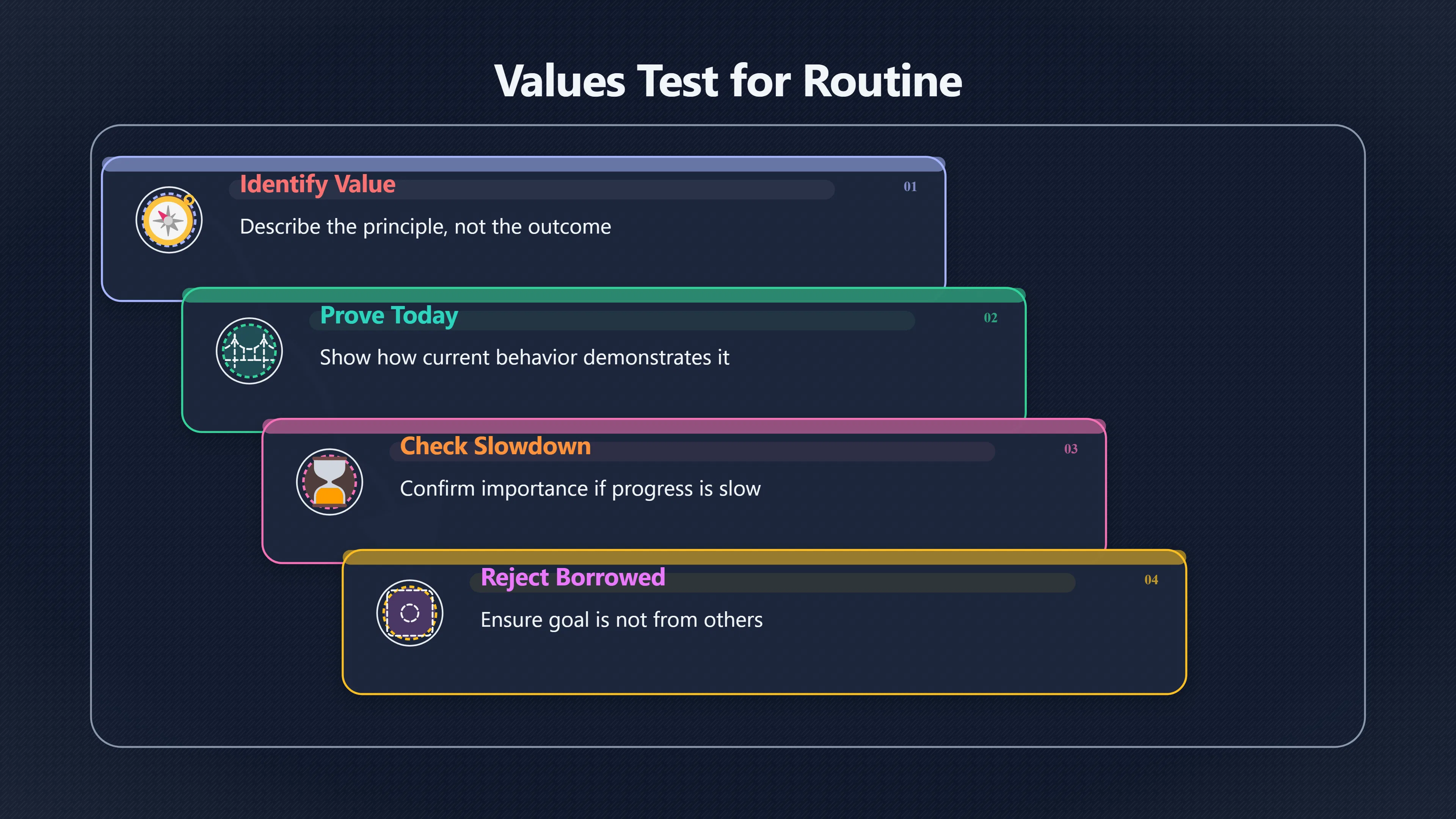
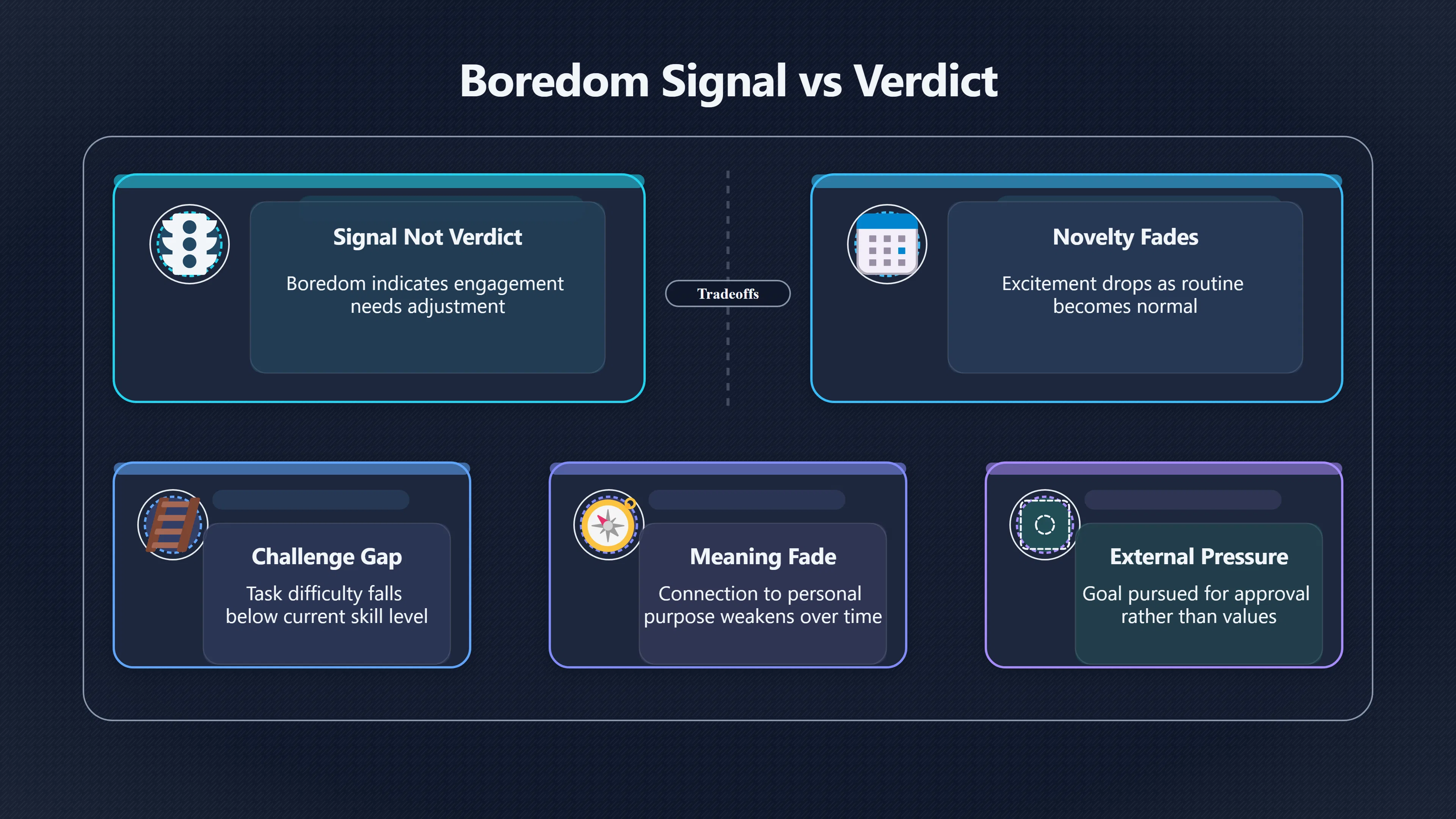
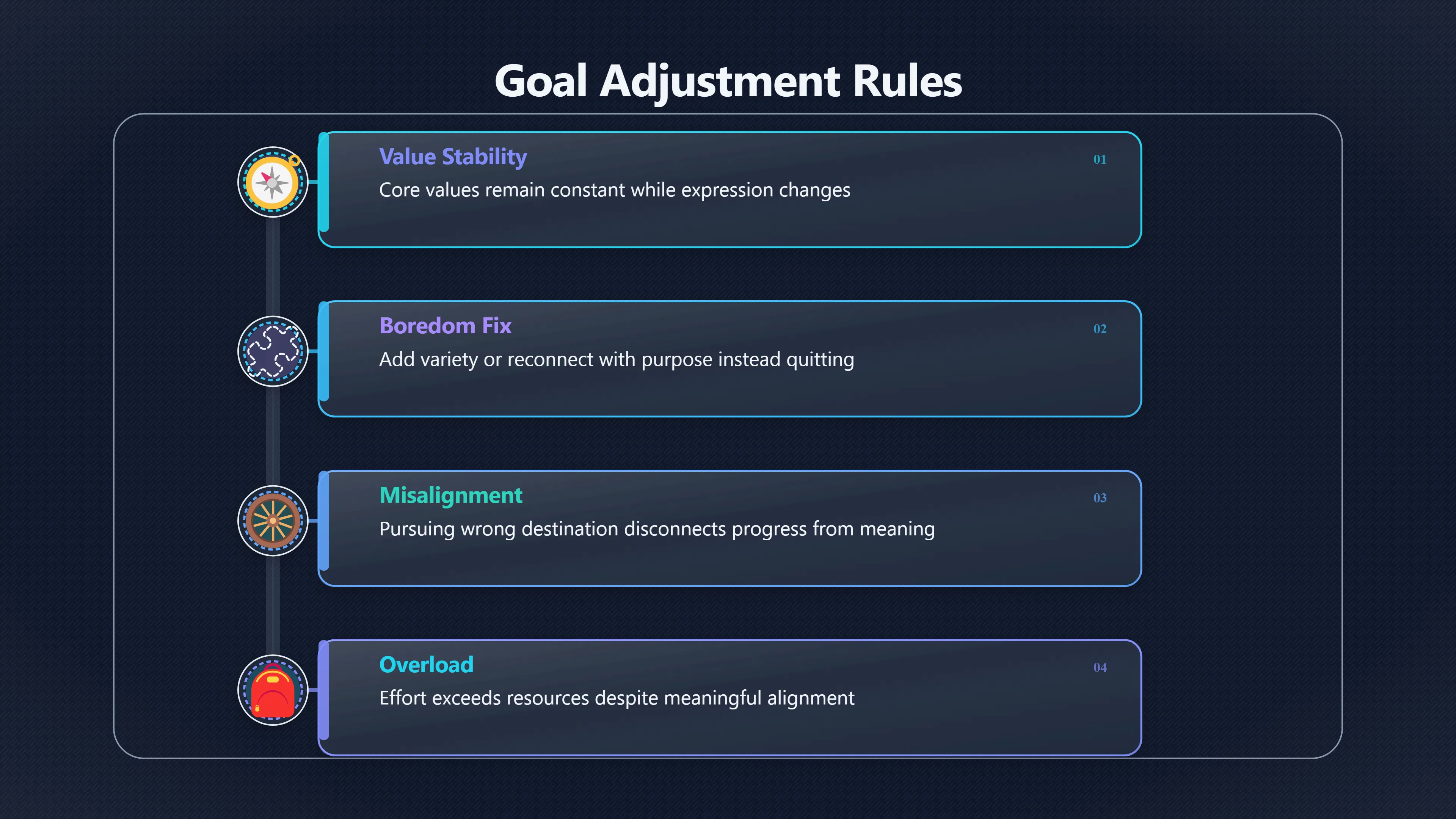
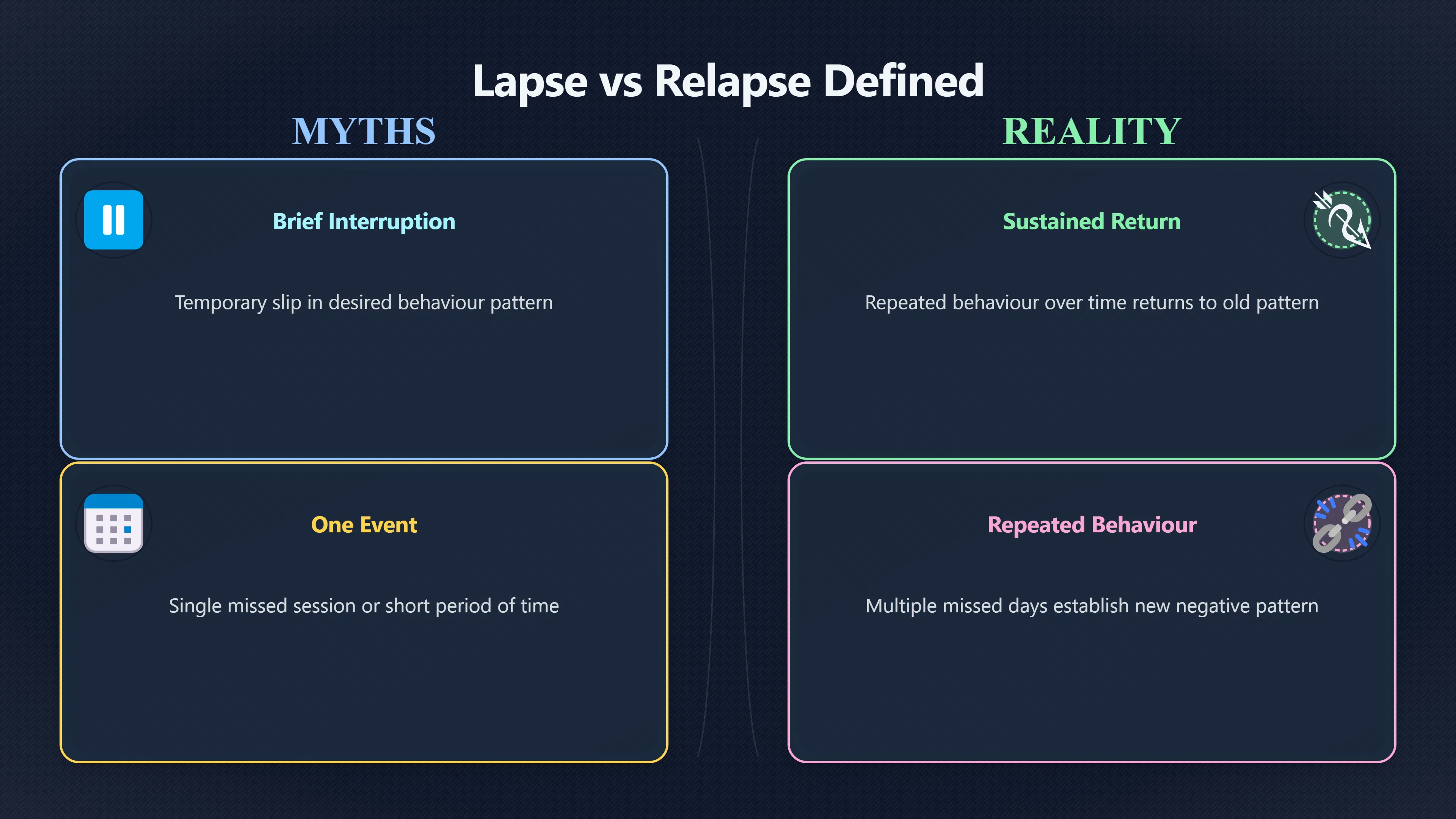
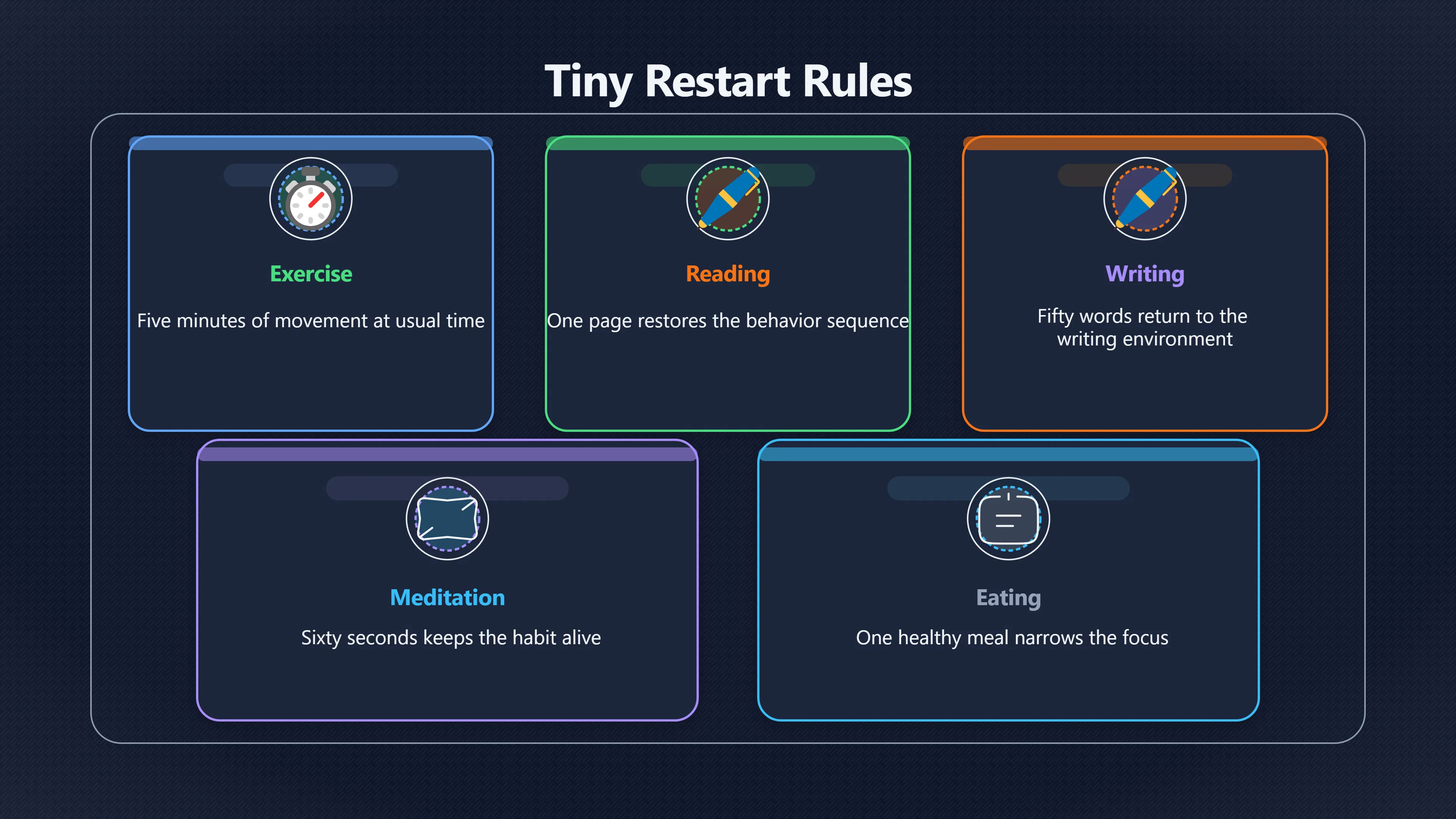
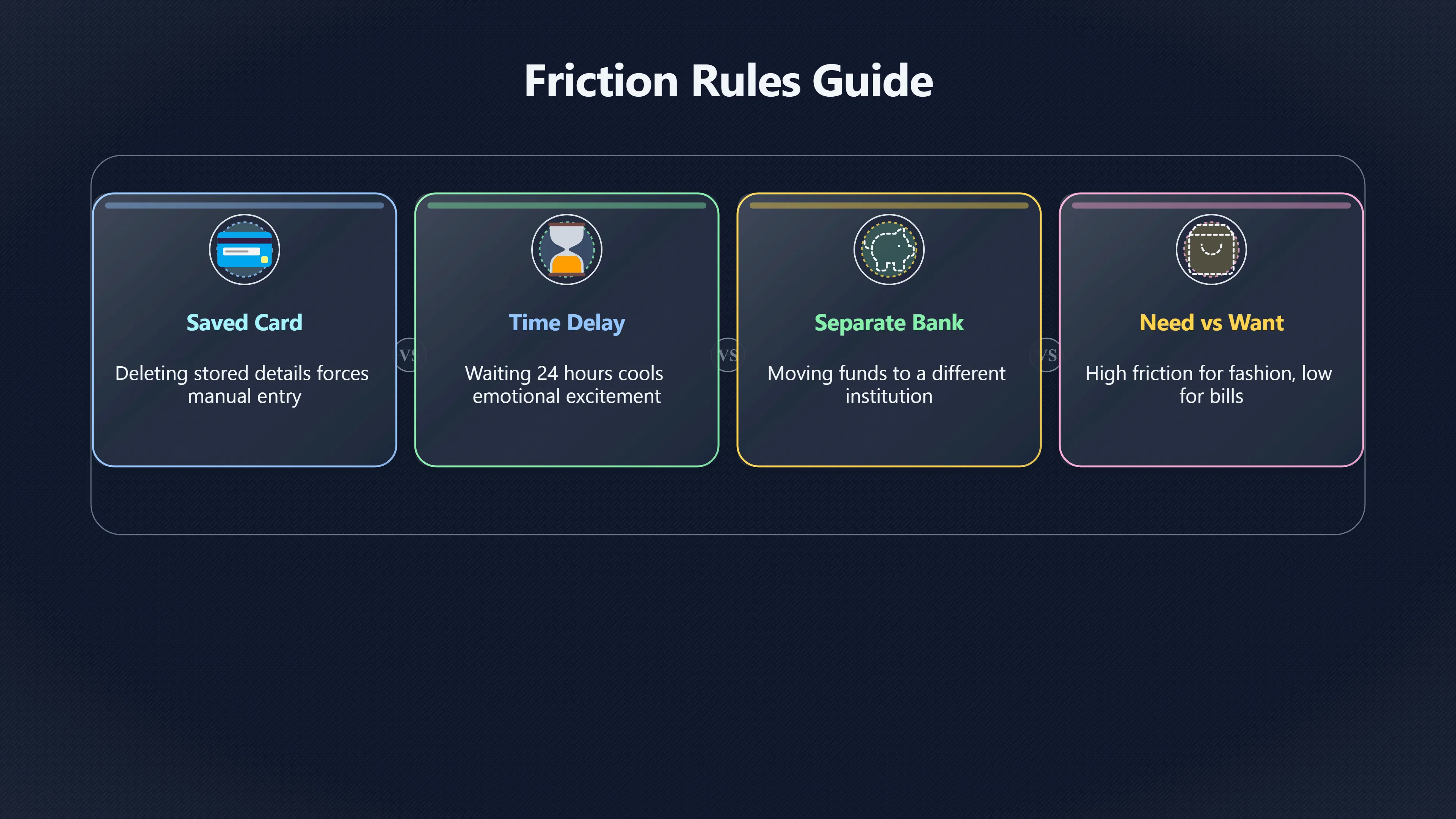
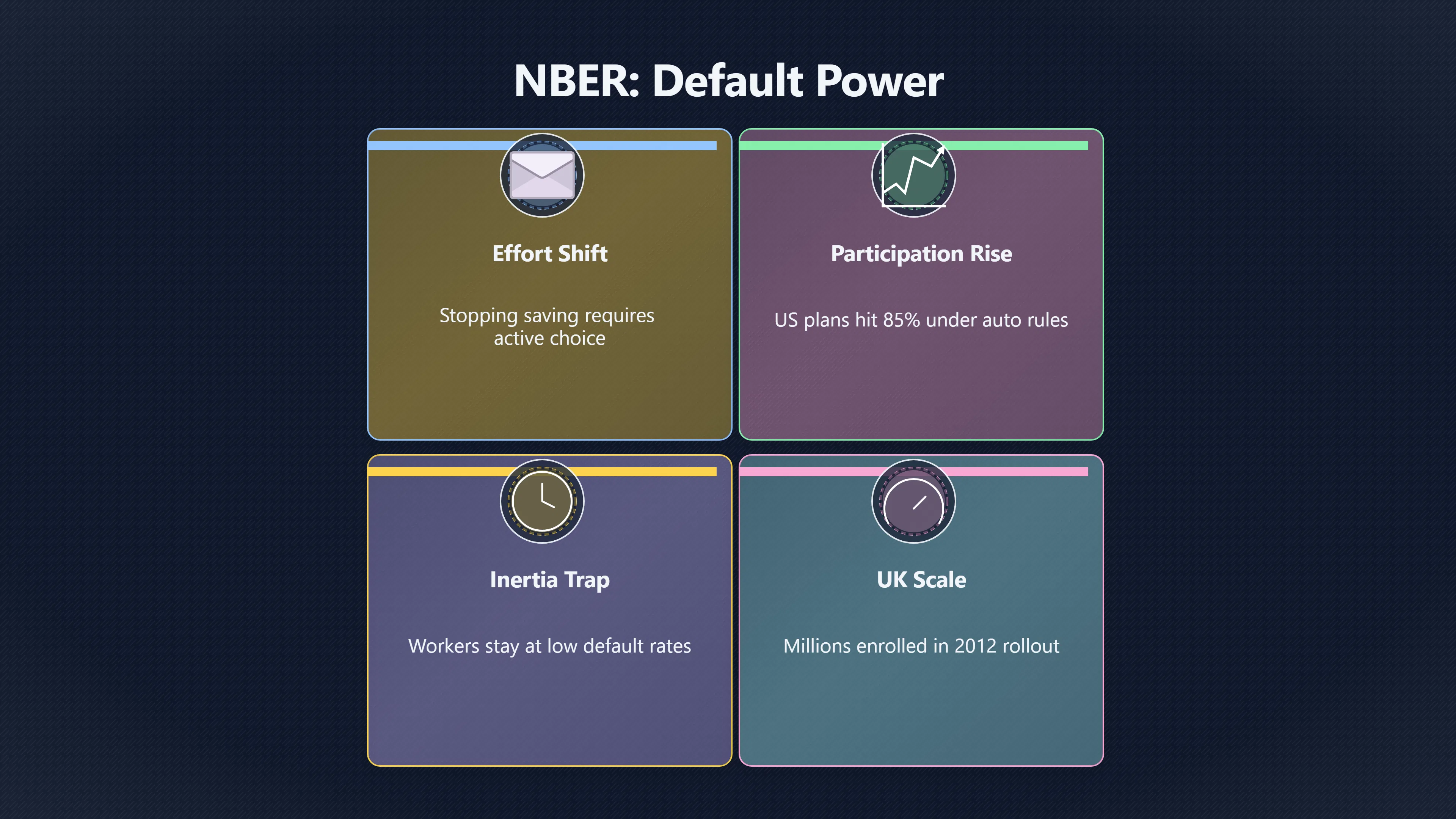
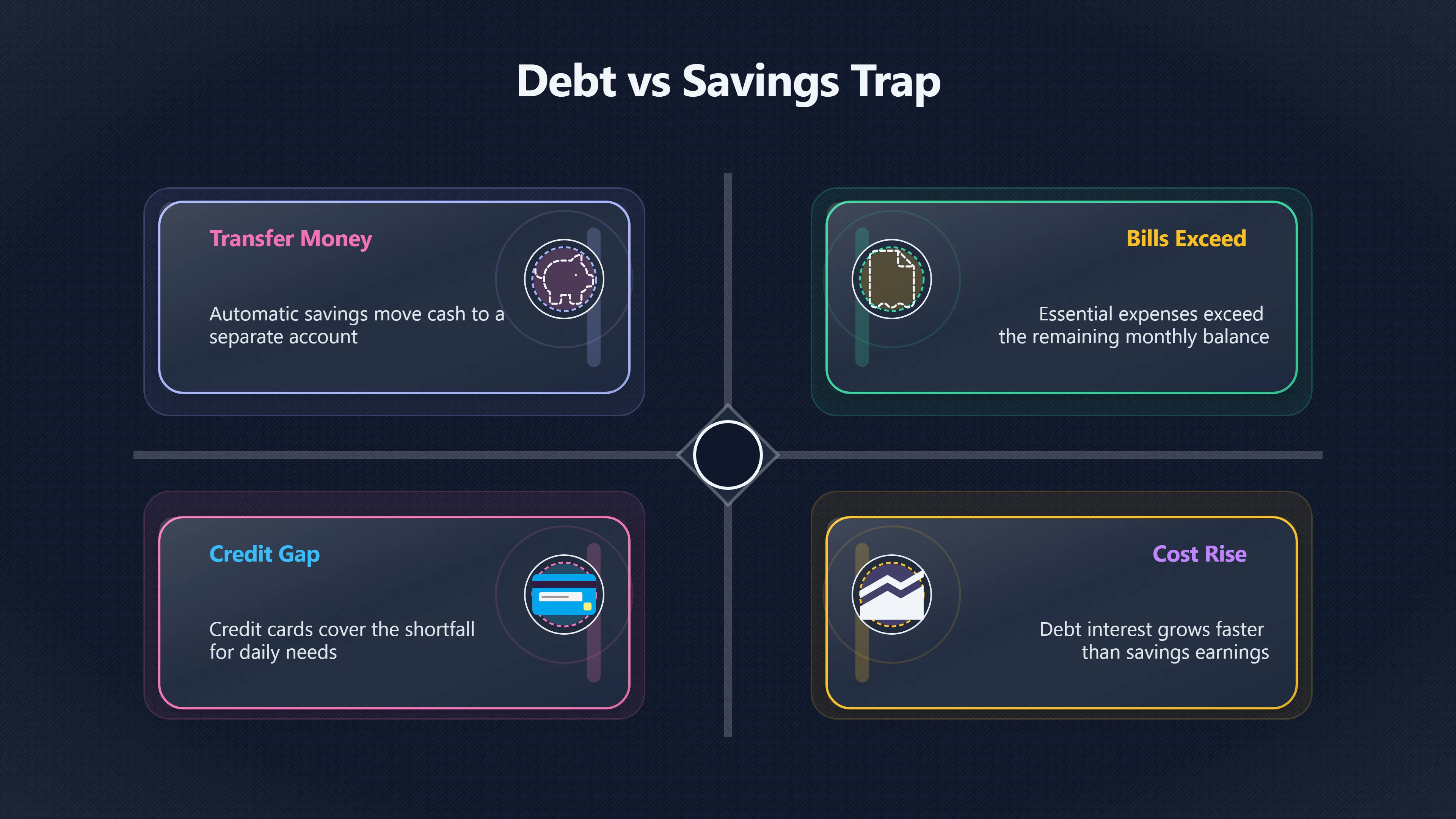
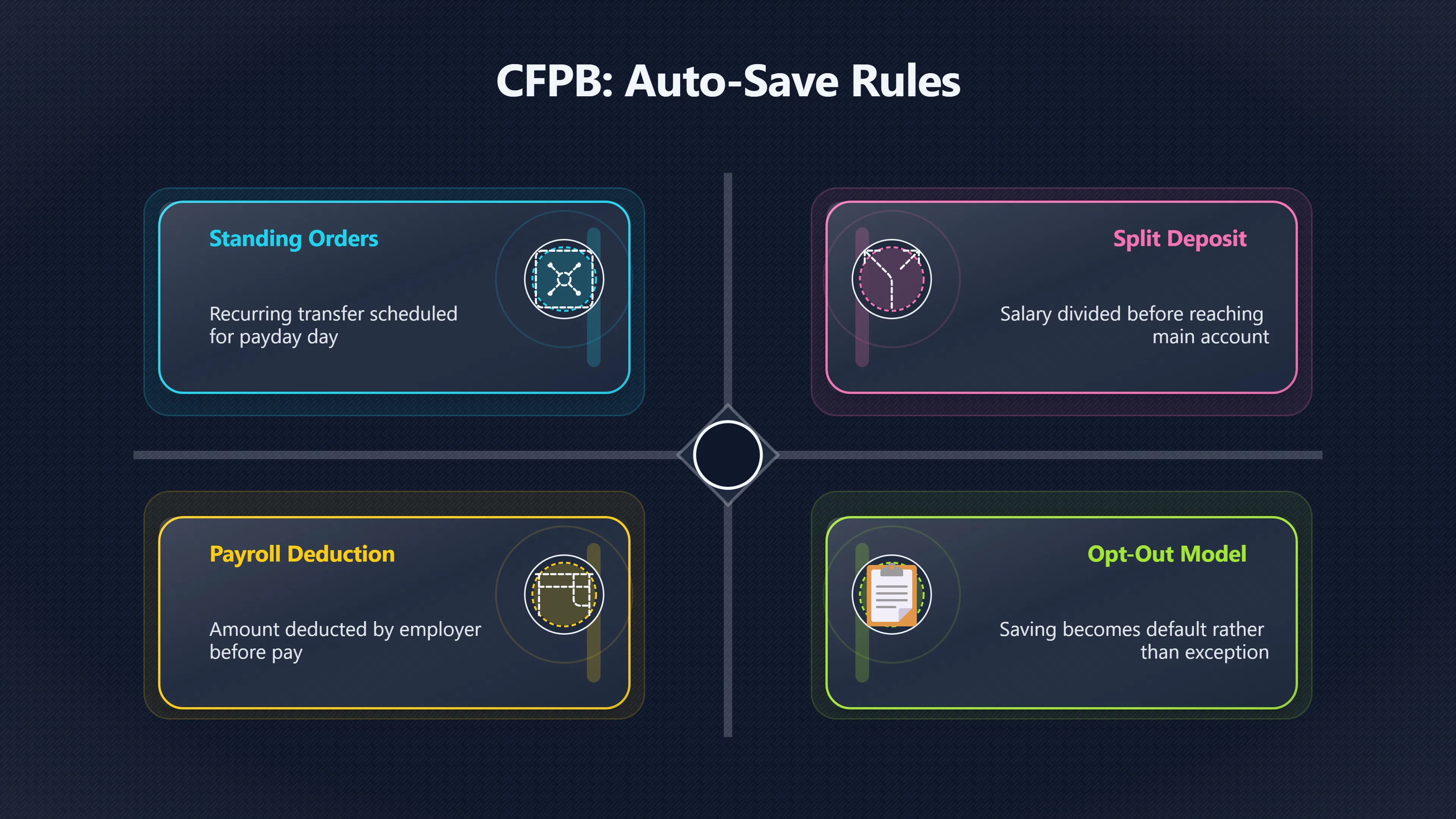
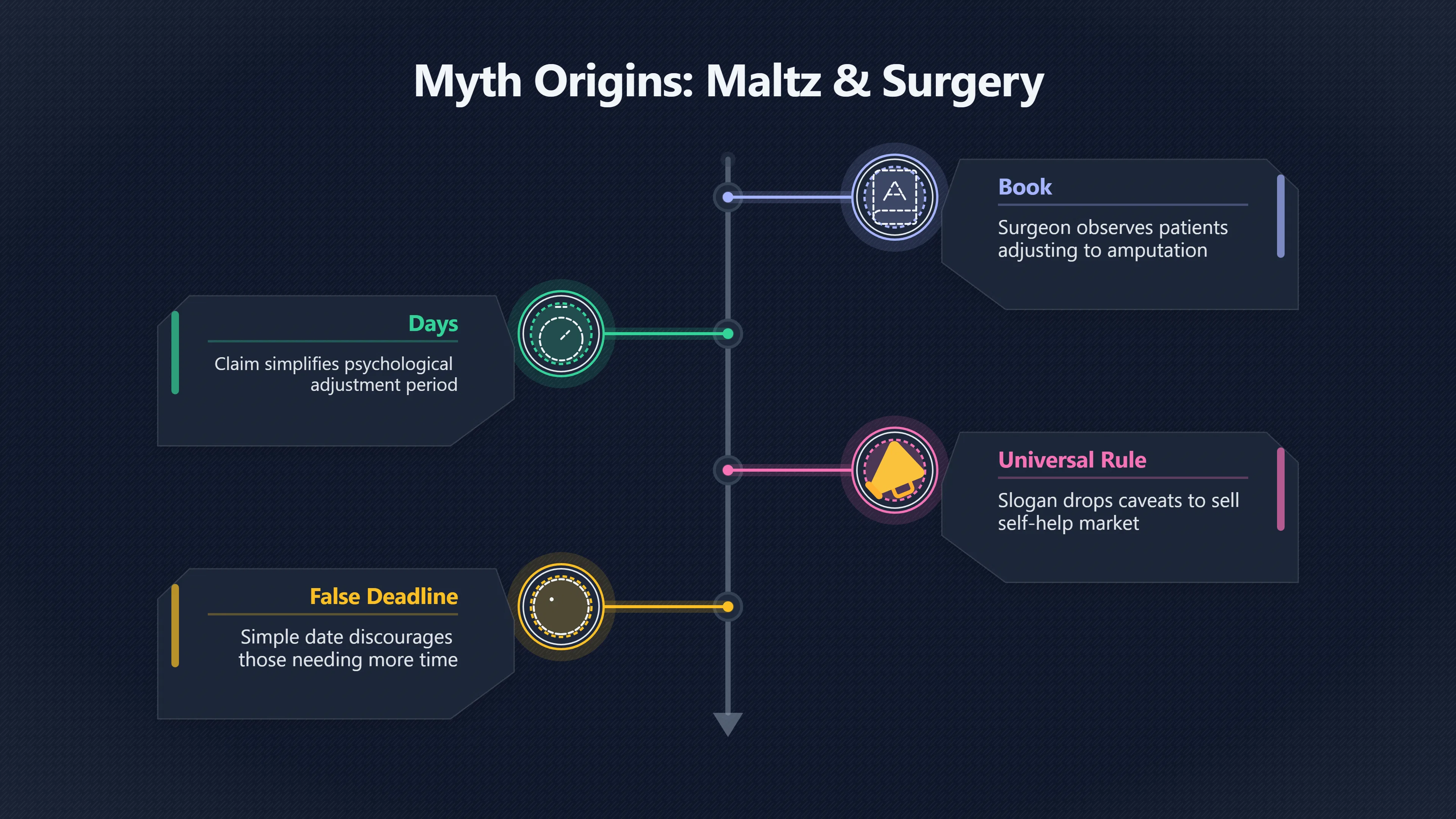
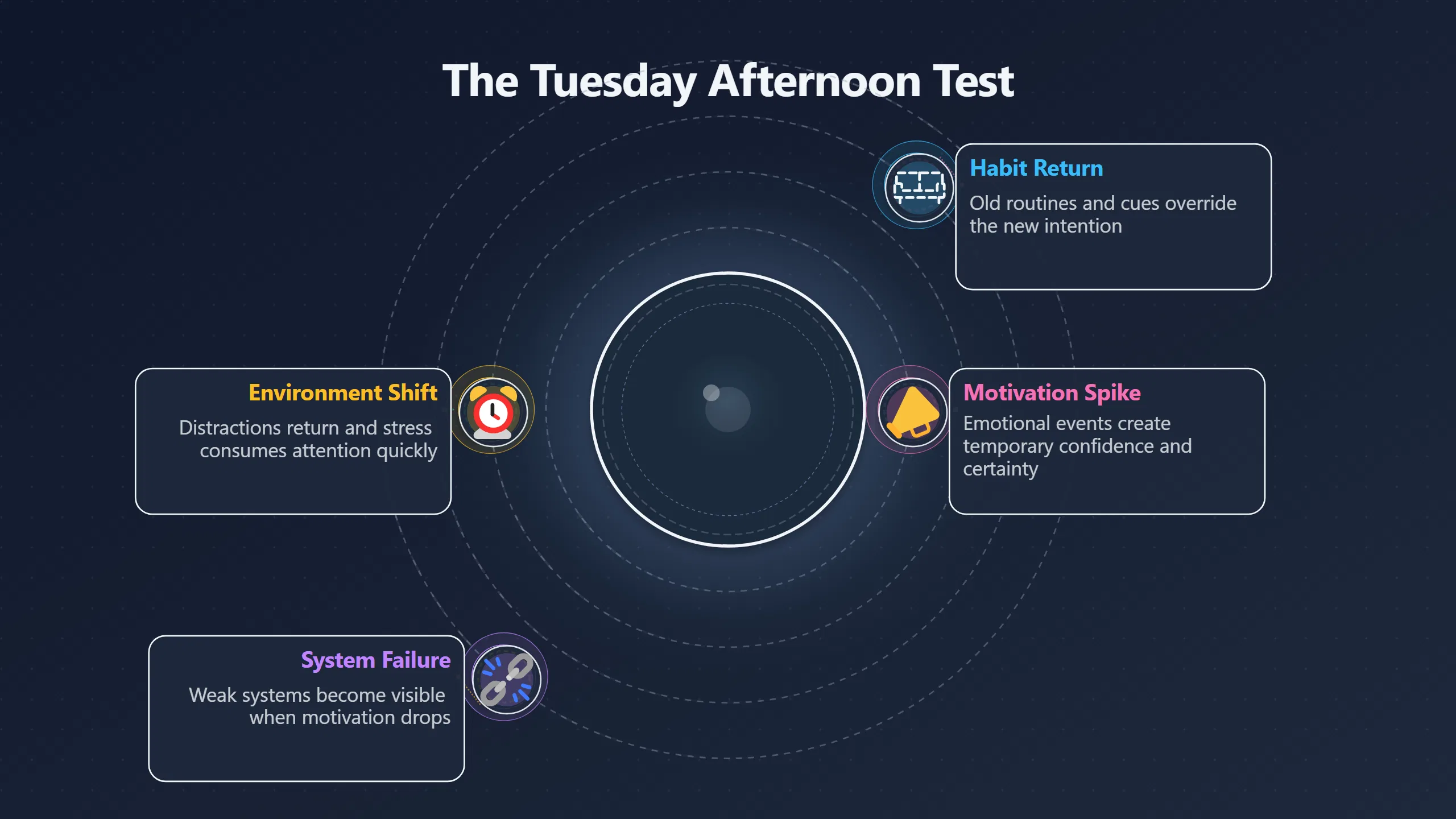
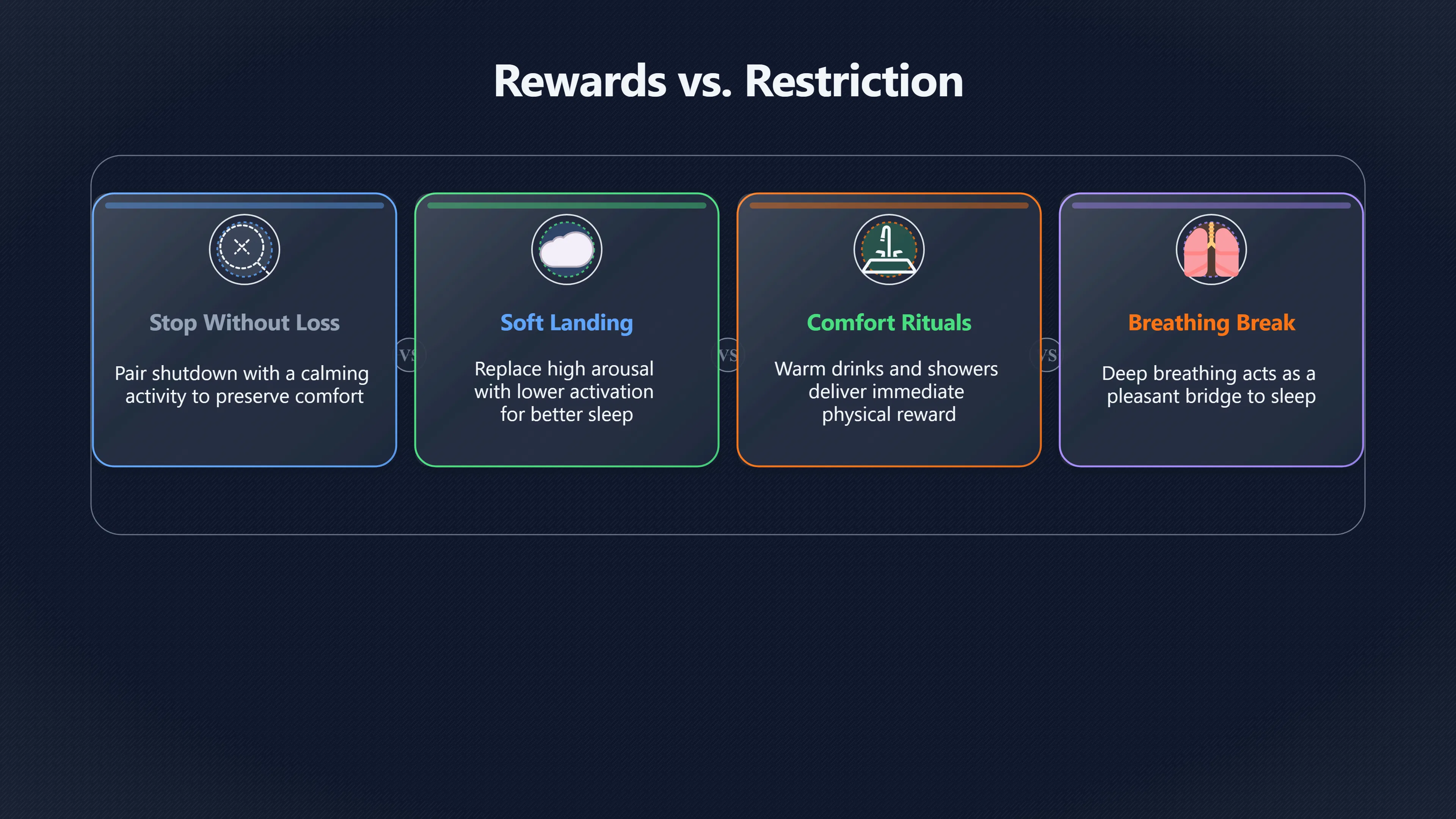
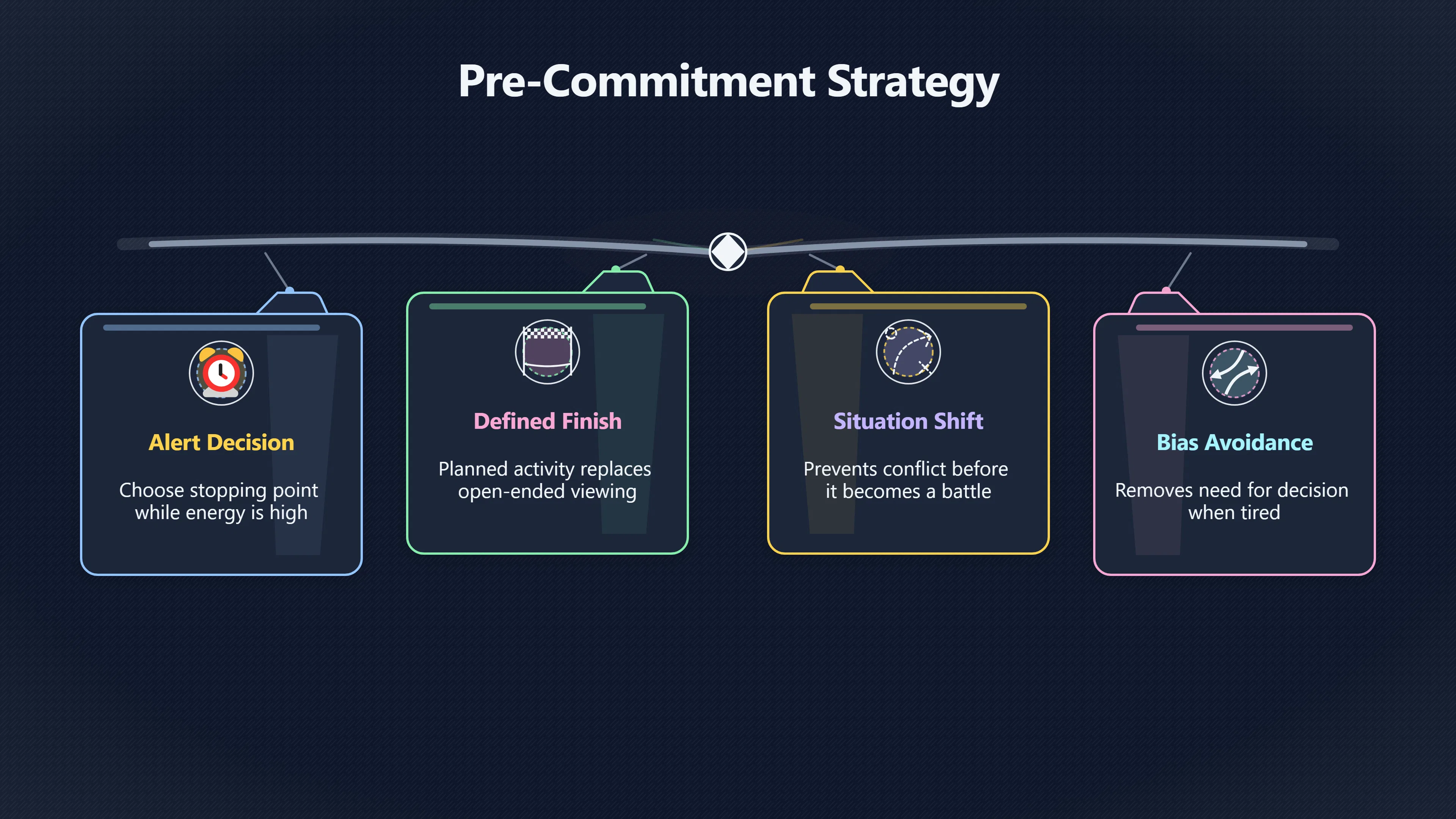
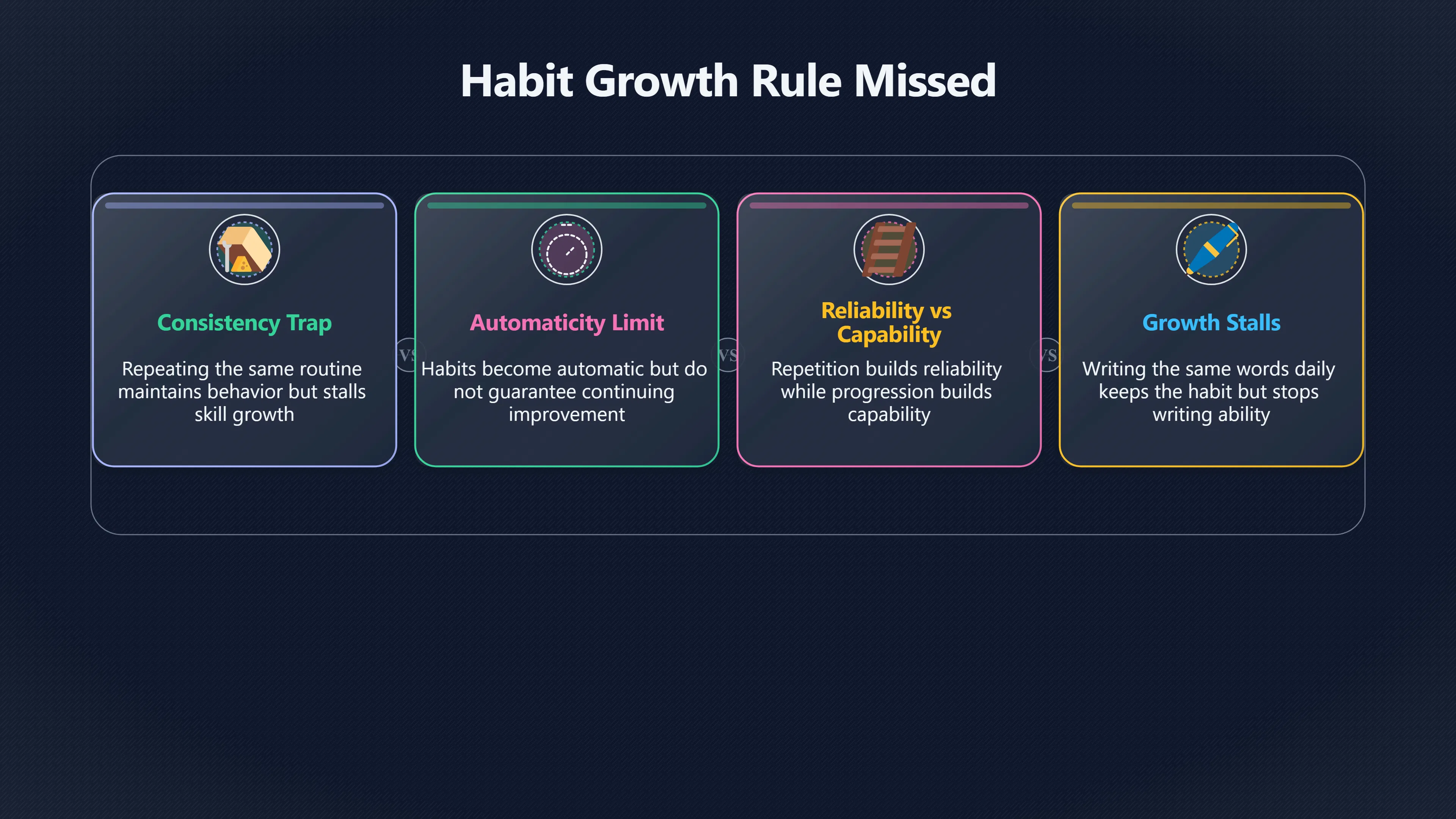
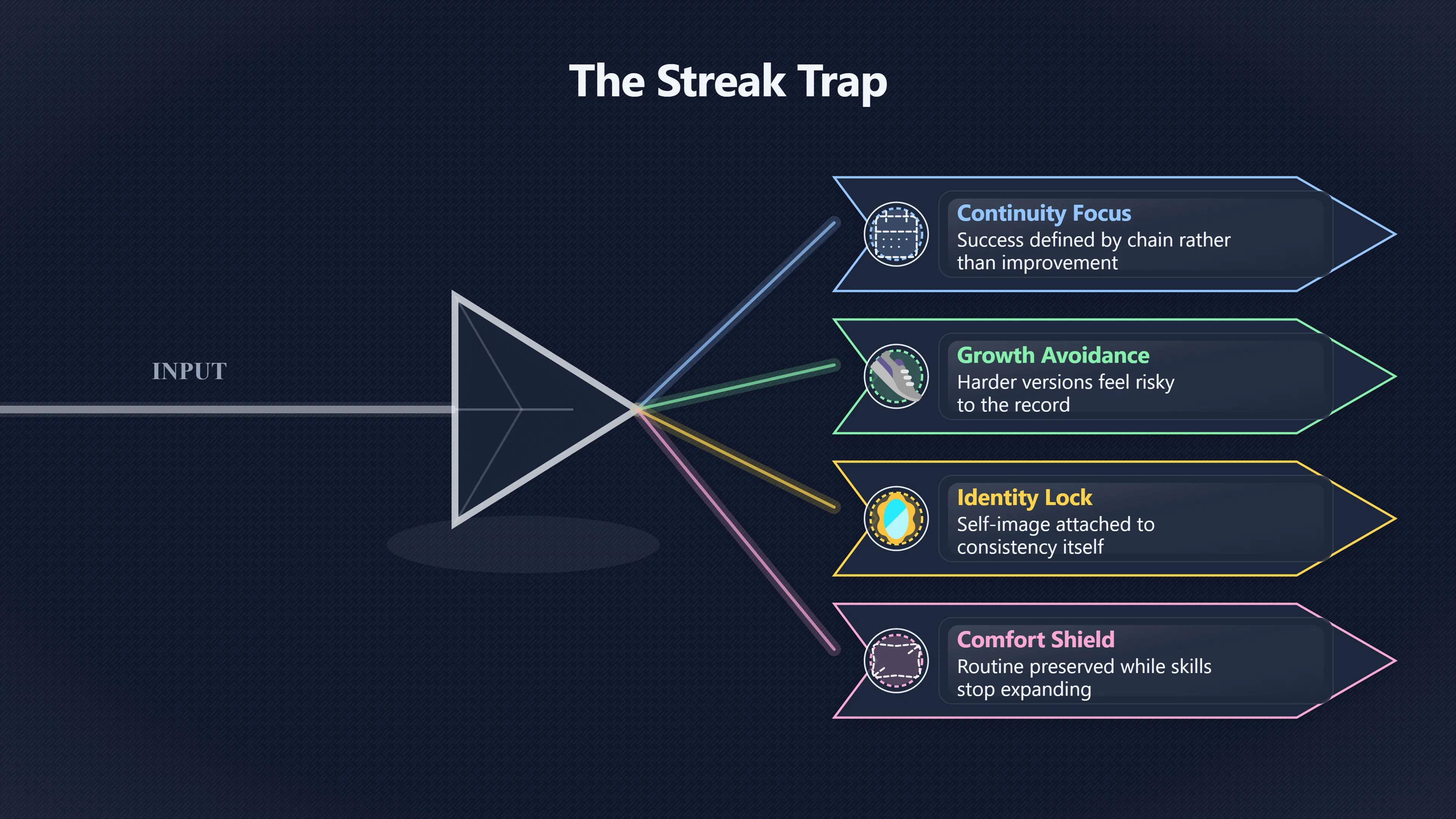
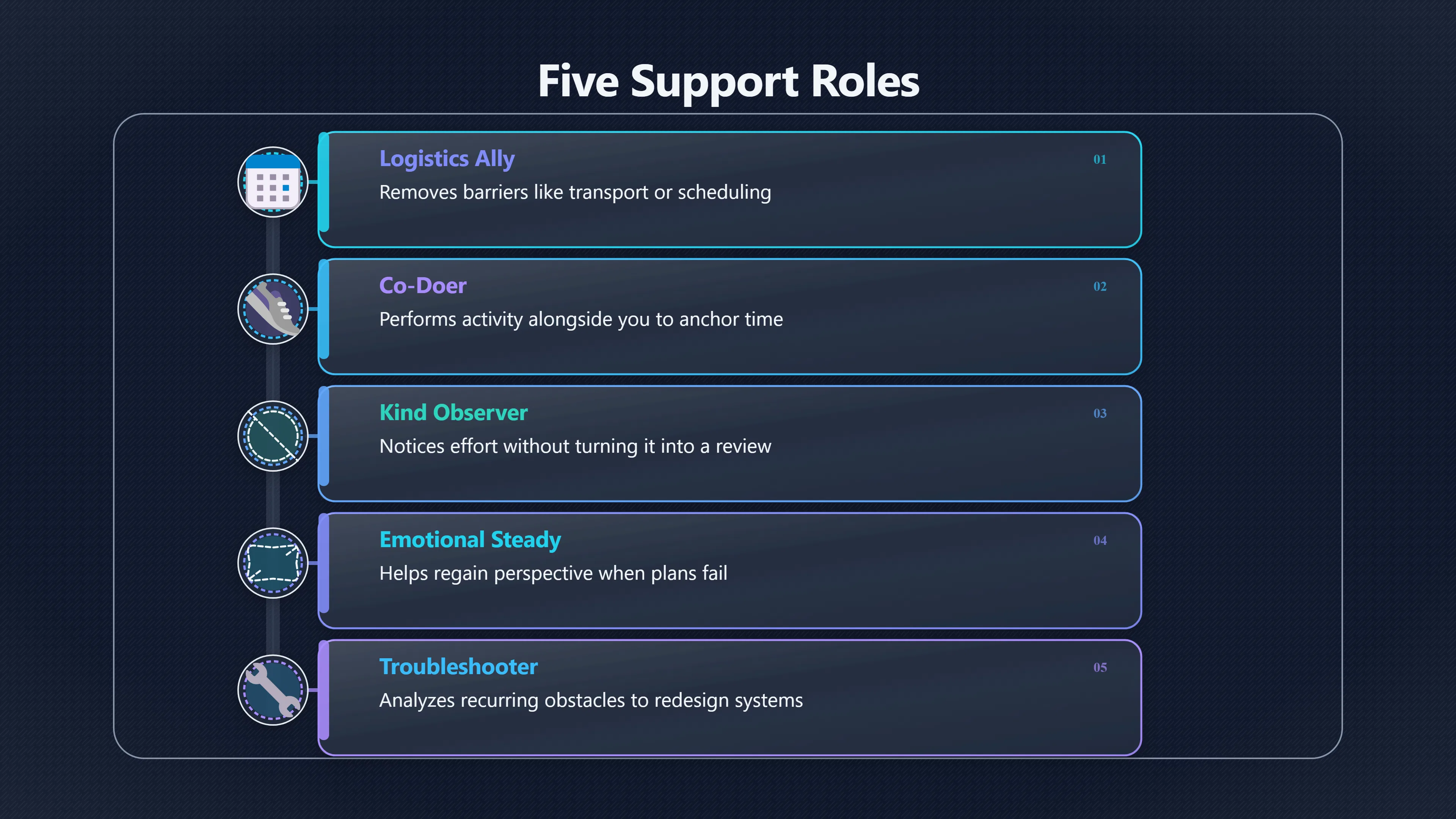
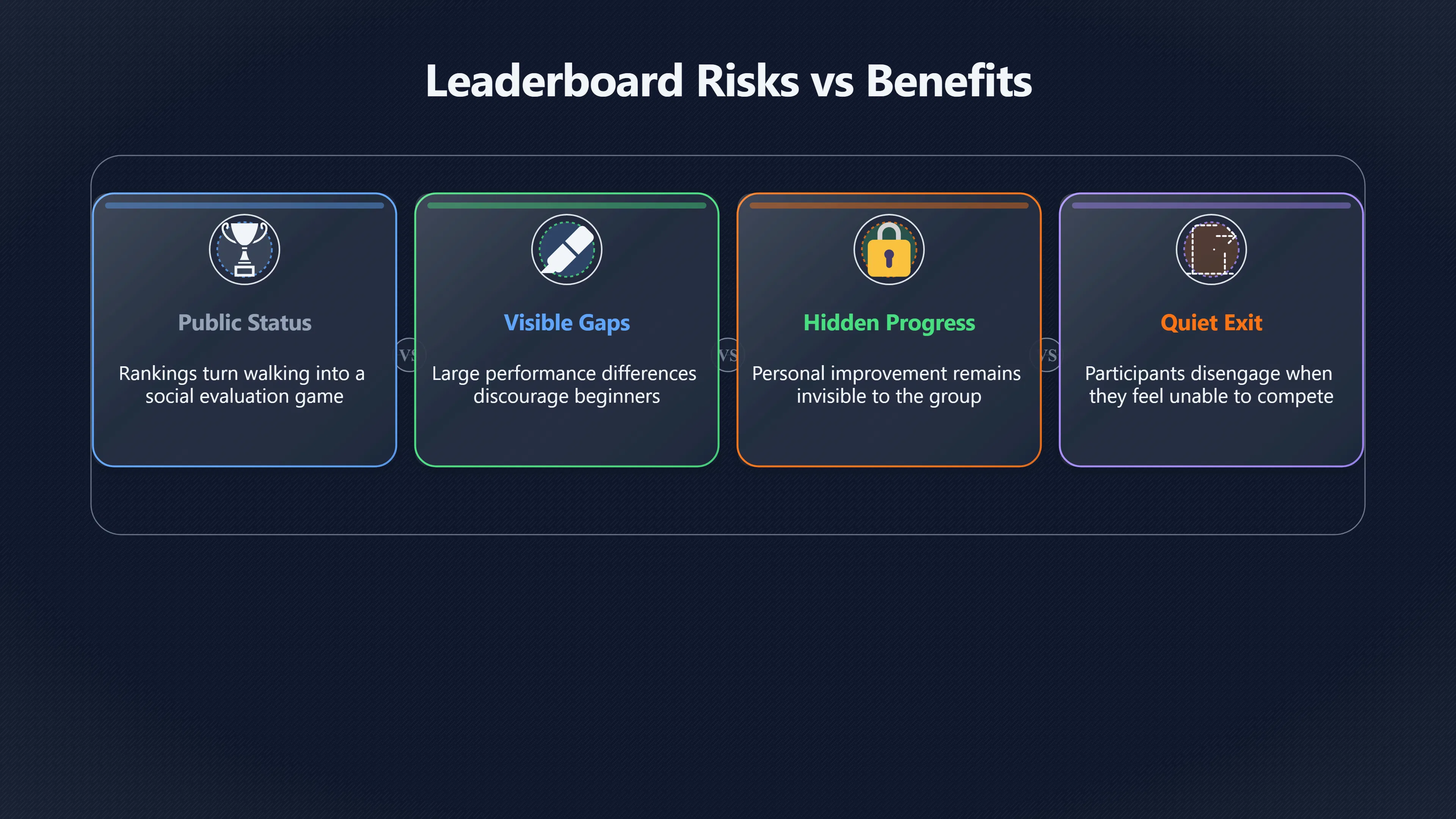
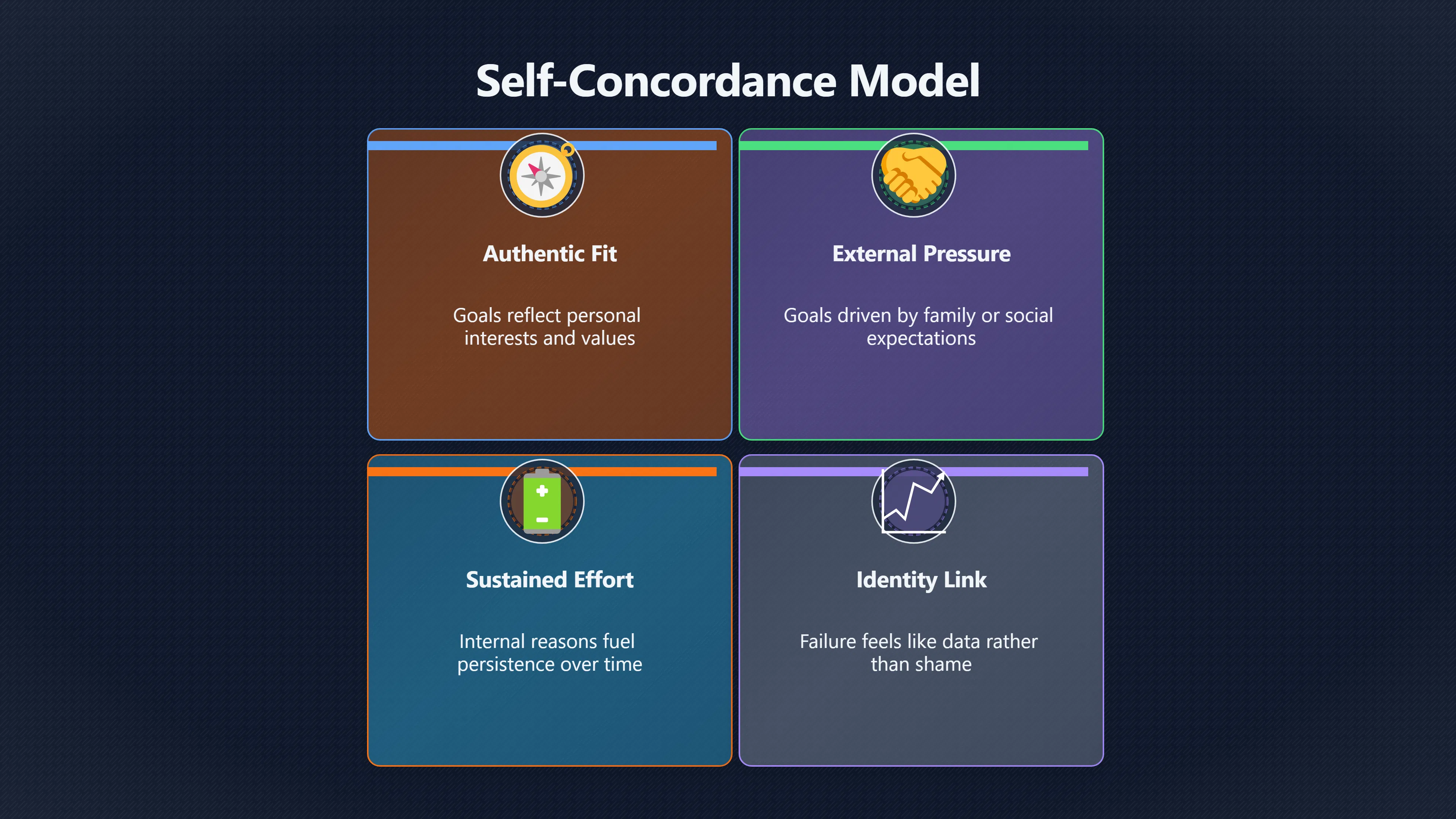
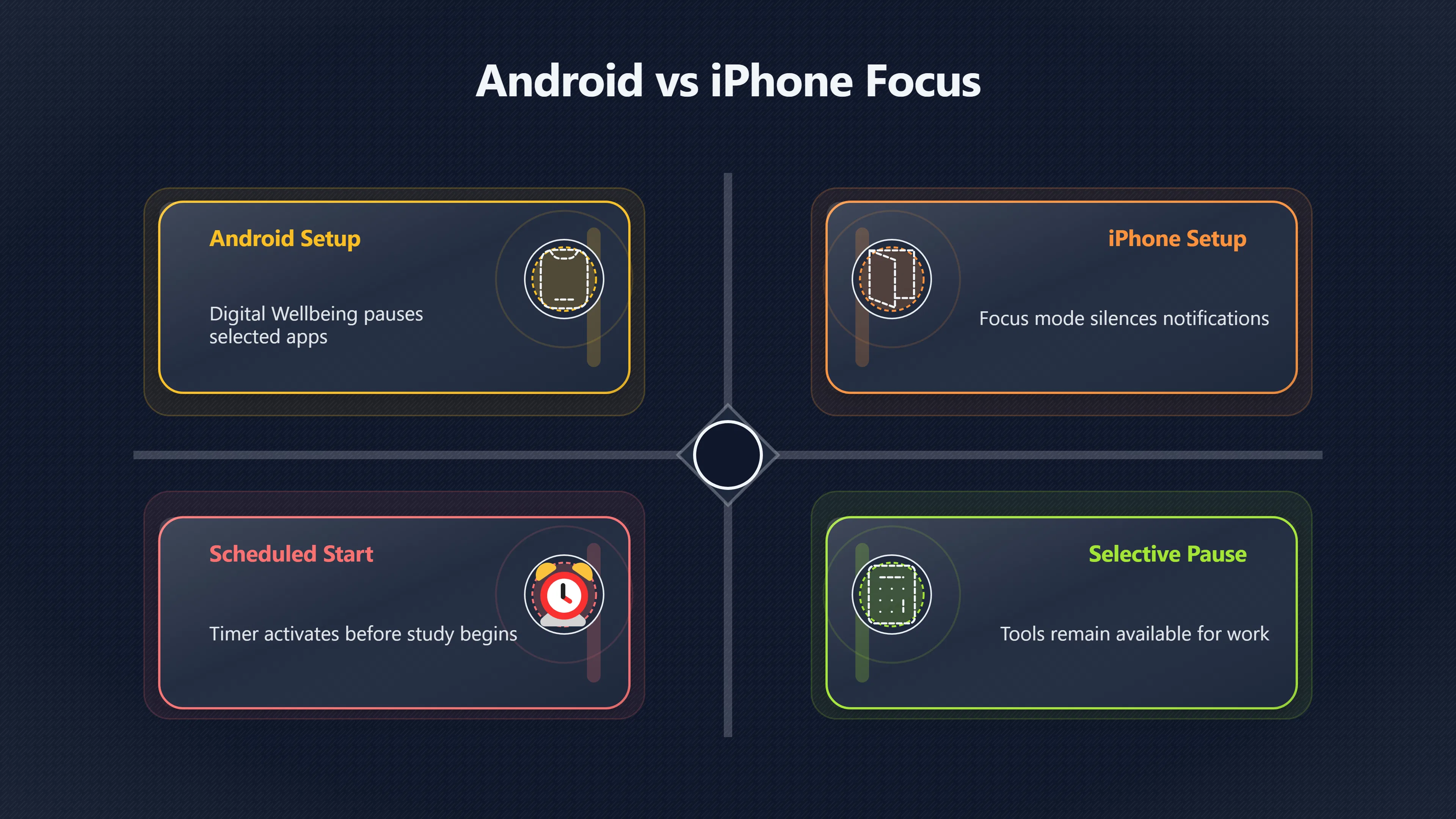
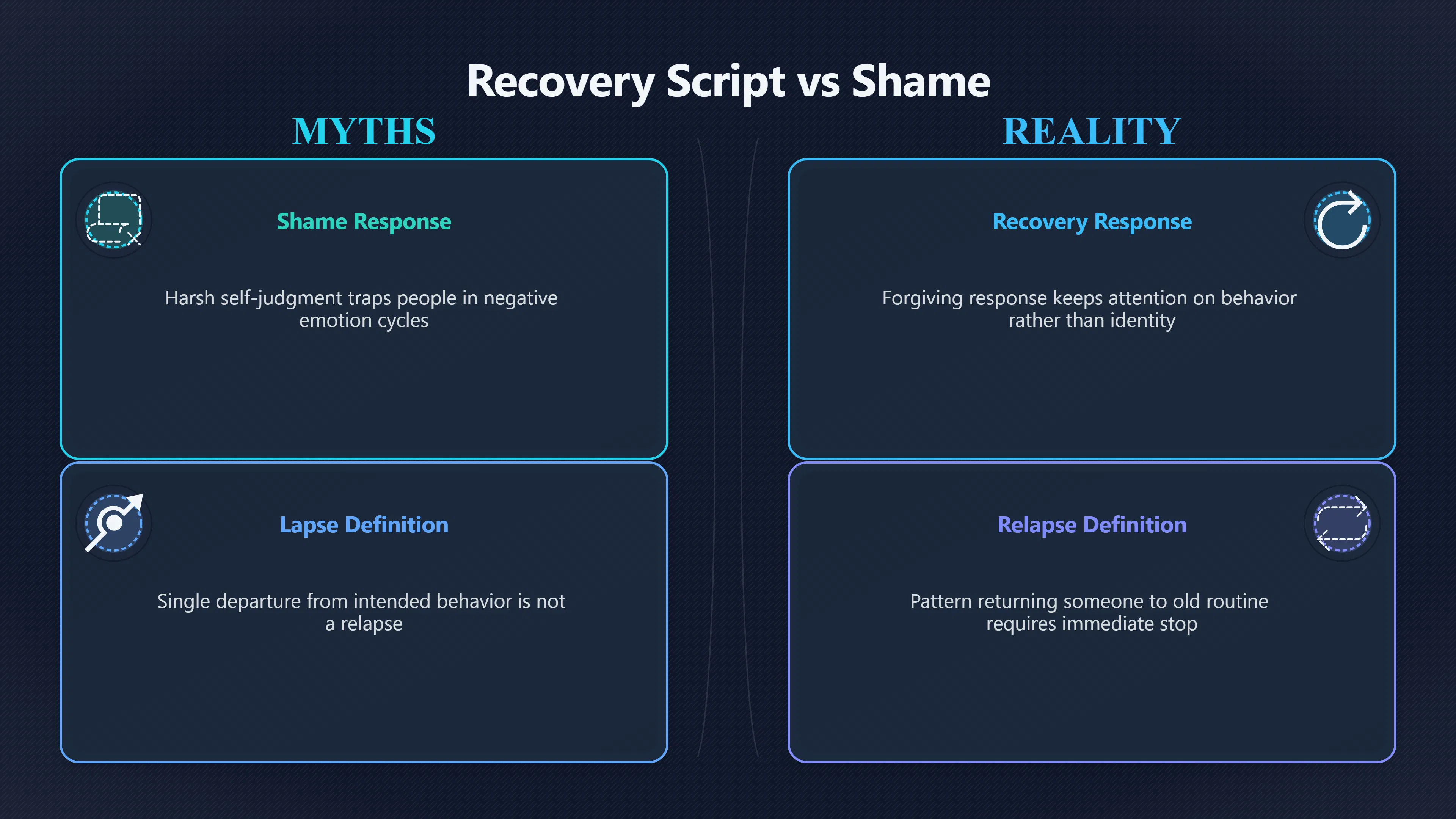
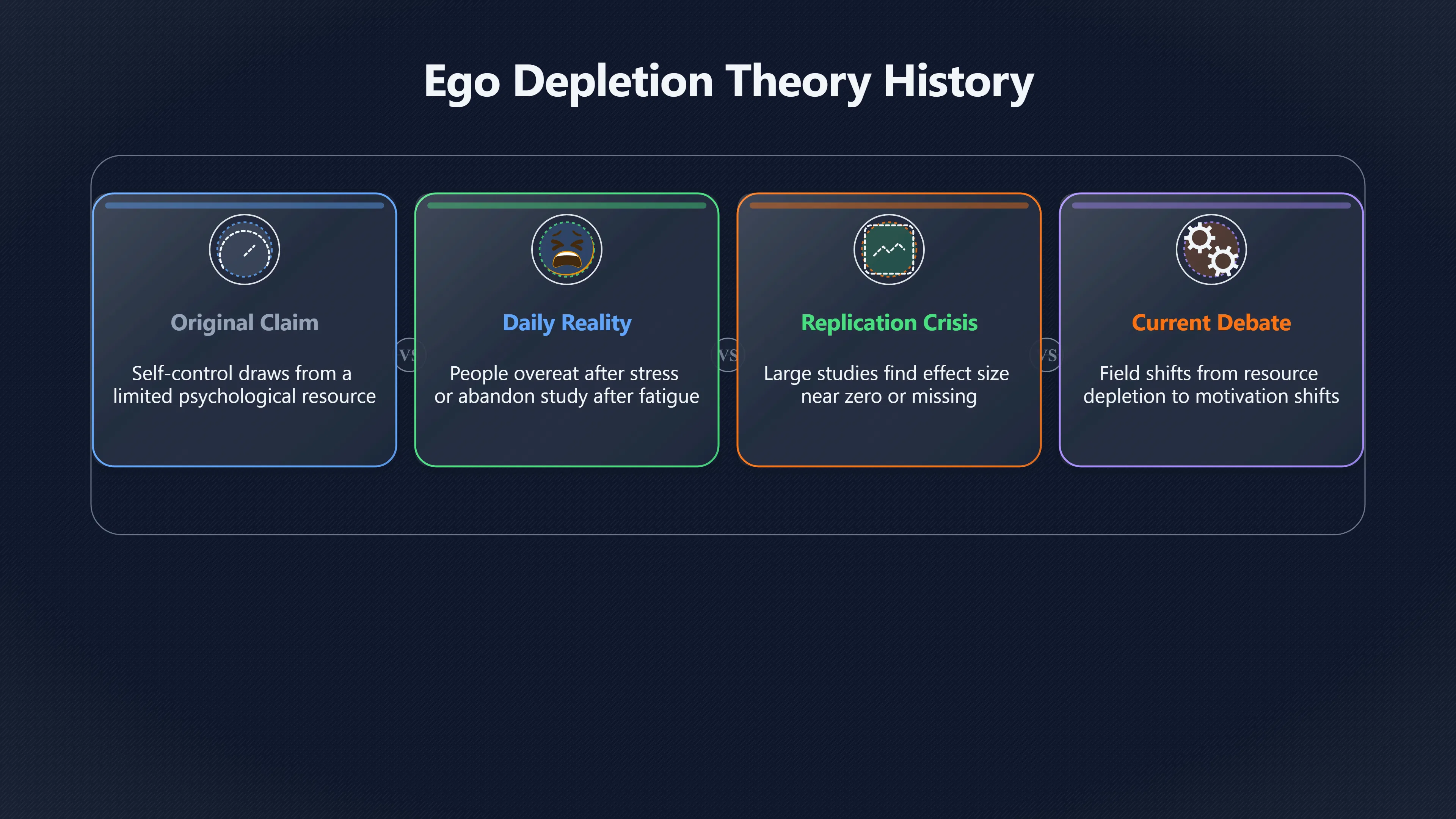
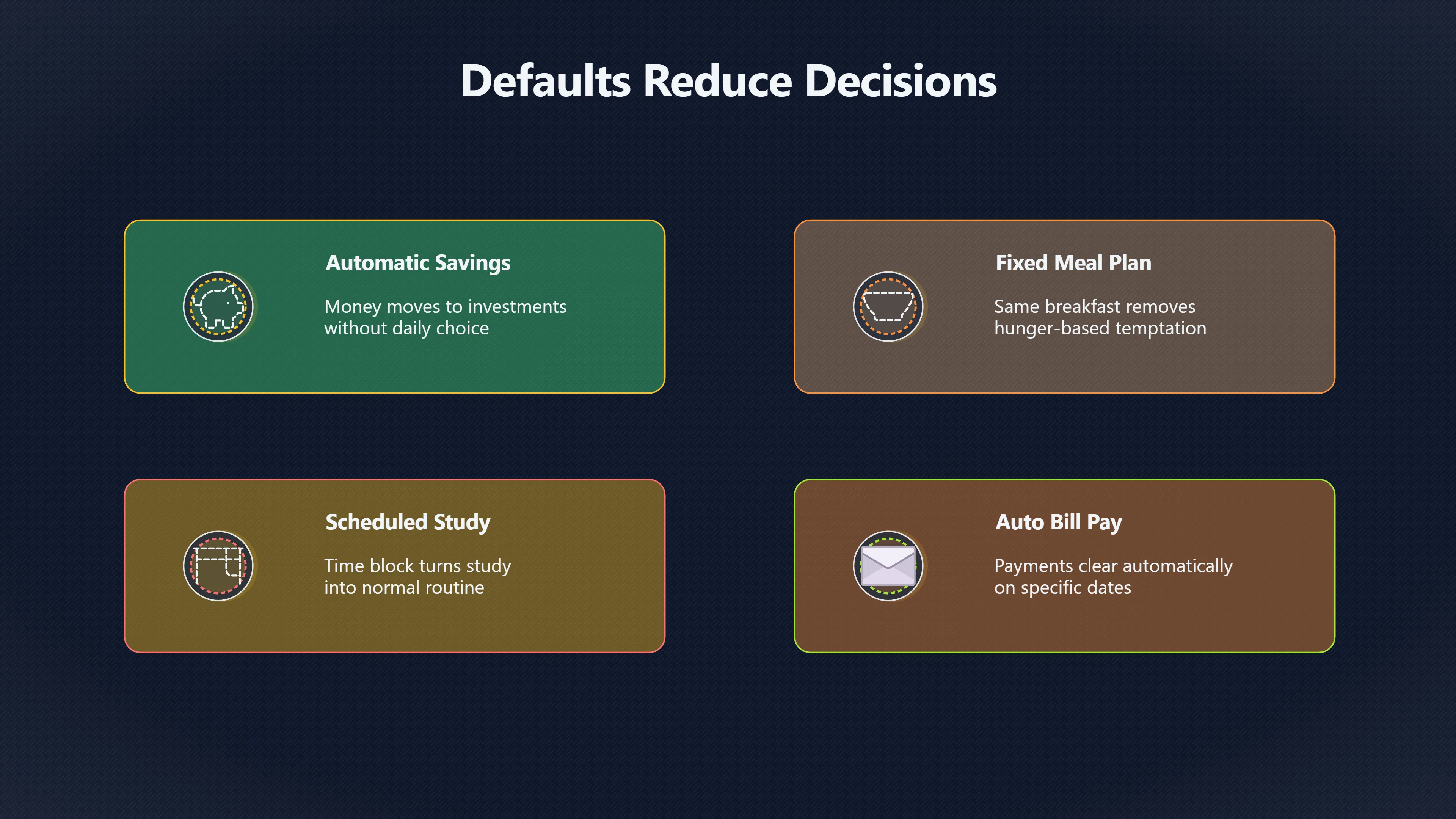
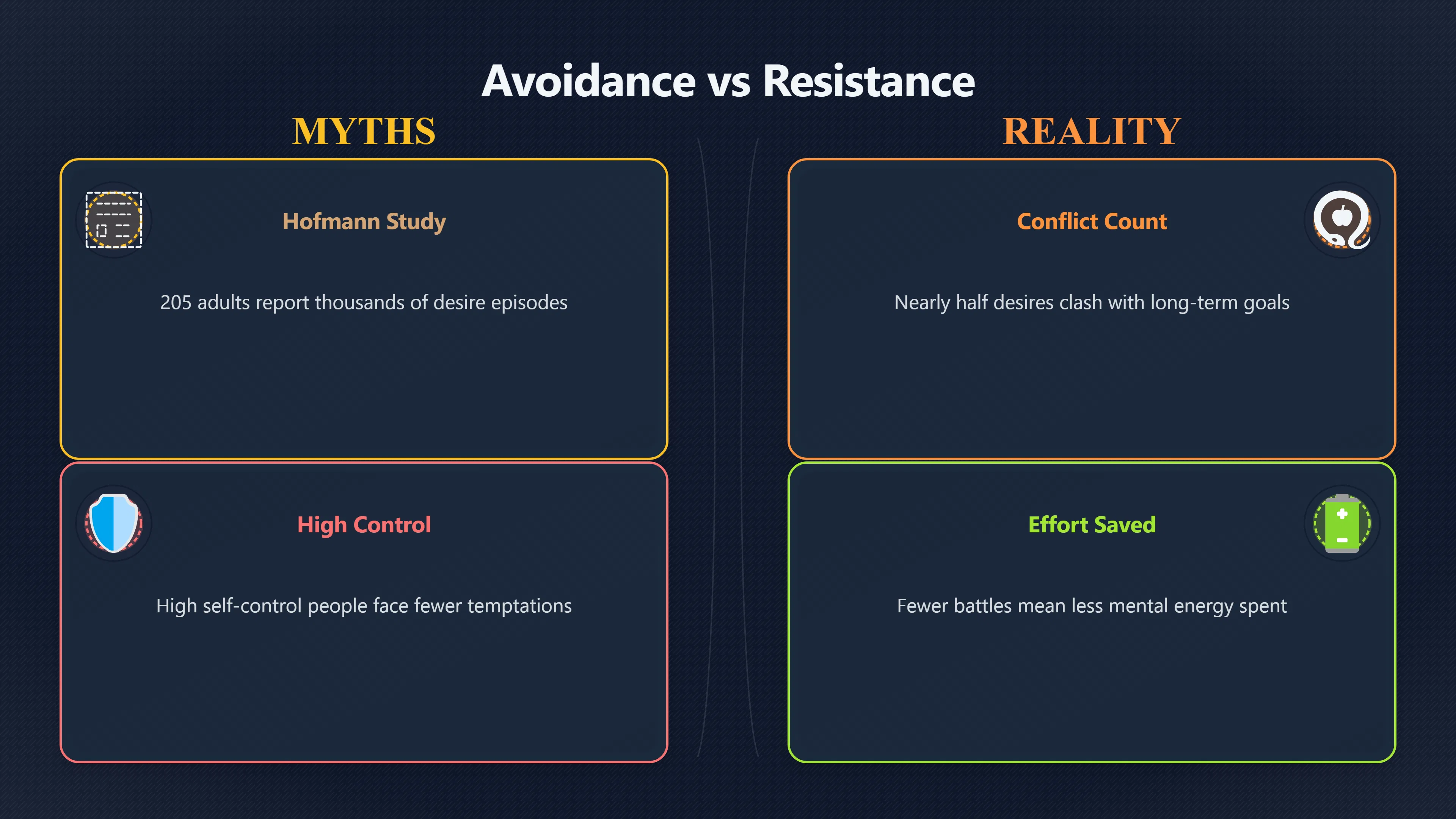
Better Change Expand all Collapse all Better Change What Actually Makes Self Improvement Work? Self improvement that works is usually less dramatic than the self-help industry makes it sound. The strongest evidence points towards a practical pattern: choose a meaningful goal, make the next action specific, design the environment so the action is easier, track the behaviour, get feedback, and repeat it long enough for it to become less effortful. 241 pages Read more Accountability What Makes an Accountability Partner Useful? Accountability works best when the group clarifies actions, checks progress and avoids shame. 6 pages +Show subtopics Read more Check ins Make check ins specific enough to matter A useful check-in asks what happened, what got in the way and what specific action comes next. Read more Retrieval groups The study group that actually helps learning Study groups work better when members test recall, explain answers and review mistakes instead of rereading together. Read more If then plans What to do after a missed session If-then planning turns setbacks into prepared recovery routes instead of letting one missed session end the habit. Read more A Study Group When study groups stop being useful A weak study group can drift into copying, scrolling or comparison unless expectations make everyone contribute. Read more Right partner Who makes a good accountability partner? The right partner makes honest follow-through easier by combining reliability, warm honesty and respect for the goal. Read more Action Plans The Plan That Still Works When You Are Tired Action planning gives a goal a realistic next step that can survive ordinary pressure. 6 pages +Show subtopics Read more Coping Plans Action Plan or Coping Plan? Action planning names the intended behaviour, while coping planning decides what to do when the expected barrier appears. Read more Visible Cues Can Your Environment Start the Habit for You? Visible cues reduce the need to remember, decide or negotiate with yourself when attention is already thin. Read more Real Constraints Plan for the Week You Actually Have Constraint-aware plans start with the actual terrain of work, travel, childcare, hunger and fatigue instead of an ideal week. Read more Fallback Plans What Is Your Plan When Energy Drops? A good fallback plan keeps the habit alive when exhaustion, delays, weather or low mood make the full version unrealistic. Read more Shrink Steps When Should You Make the Step Smaller? Shrinking duration, intensity or quality standards can preserve continuity without pretending every day has the same capacity. Read more Apologies How to Apologise Before Resentment Grows Relationship repair can be treated as a behaviour with cues, timing and social stakes. 6 pages +Show subtopics Read more Early Cues How to Catch Hurt Before It Hardens Small shifts in tone, silence, or defensiveness can signal a rupture early enough for repair to stay simple. Read more Timing Should You Apologise Now or Listen First? Good timing is not instant relief; it is early repair balanced with enough listening for the hurt to feel understood. Read more First Sentence The First Sentence That Makes Repair Easier A clear opening names the action, owns the impact, and makes the other person work less hard to be understood. Read more Behaviour Change What Should Change After the Apology? Repair becomes credible when the apology names a realistic next action that matches the harm. Read more Bad Apologies Why Some Apologies Make Things Worse Courtroom, panic, and grand apologies can shift attention away from the person who was hurt. Read more App Blockers Do App Blockers Actually Help? Digital friction can turn attention goals into enforceable boundaries when memory is weak. 6 pages +Show subtopics Read more Tap Delays Can a five second pause stop autopilot scrolling? A short pause before an app opens can break automatic checking without turning every distraction into a total ban. Read more Night Blocks Stop the bedtime scroll before it starts A bedtime block works best when it starts before sleep time, leaving room for a real wind-down instead of a last-minute fight. Read more Fit Patterns The blocker has to fit the habit App blockers work better when the target apps, timing, and escape rules match the user's real routine and failure pattern. Read more Soft vs Locked When app limits need more than a nudge The right blocker is strong enough to change behavior but not so harsh that it invites loopholes or abandonment. Read more Work Blocks Why blocks should begin before work starts Planned blocks work best when they start before the focus session and protect a specific task from predictable distraction. Read more Automaticity How Repetition Becomes Automatic Repeating a behaviour after the same cue helps it become less dependent on conscious effort. 6 pages +Show subtopics Read more Start Cue Automate the Start, Not the Whole Routine For complex goals, the most habit-friendly target is often the first doorway action rather than the whole performance. Read more Visible Cues Can Your Room Remind You Better? Objects placed in the right location can turn the environment into a reminder without relying on motivation alone. Read more 66 Day Myth Does It Really Take 66 Days? Habit automaticity usually grows on a curve, so the famous 66-day average is less useful than consistent cue-response repetition. Read more Daily Anchors Which Daily Cues Make Habits Stick? Existing routines such as coffee, breakfast and brushing teeth can make new habits easier to remember and repeat. Read more Routine Breaks Why Good Habits Vanish on Holiday Travel, illness, moving house and schedule changes can remove the cues that normally make a habit feel automatic. Read more Bedroom Phone Why the Phone Belongs Outside the Bedroom Charging a phone outside the bedroom changes the contest between tired willpower and optimized devices. 6 pages +Show subtopics Read more Sleep Evidence Does Removing the Phone Really Help? Restriction studies suggest better sleep for many people, while also showing why the evidence is useful but not universal. Read more Emergencies Staying Reachable Without Staying Online People who need overnight contact can separate true emergencies from routine notifications with stricter phone settings and placement. Read more Alarm Swaps The Alarm Excuse Is Solvable Replacing the phone alarm removes the strongest excuse for keeping an internet-connected device beside the bed. Read more Charging Spot Where Should Your Phone Sleep? A simple out-of-room charging spot can make phone-free sleep easier by removing the device before bedtime starts. Read more Checking Loop Why the Bedside Phone Keeps Winning Keeping the phone within reach turns tired moments into repeated decisions that make sleep harder to protect. Read more Coffee Cue How Coffee Can Trigger the First Work Task Pairing a top-task review with coffee shows how an existing routine can anchor a new one. 6 pages +Show subtopics Read more Email Drift How Coffee Turns Into Inbox Drift Email drift feels productive, but it can steal the first clear attention from the task that matters most. Read more Tiny Review The Two Minute Review Before Email A tiny review can turn coffee time into a clear first action instead of a full planning ritual. Read more Caffeine Limits What Coffee Can and Cannot Do Coffee may improve alertness for many adults, but the cue matters more than chasing stronger caffeine effects. Read more Cue Choice Which Coffee Moment Should Start Work? A good coffee cue is precise, automatic, and early enough to protect the first task from digital drift. Read more If Then Plan Why If Then Coffee Plans Work The if-then structure turns morning coffee into a specific plan: when the cue happens, the first action follows. Read more Cues Why Good Cues Beat Good Intentions Prompts reduce the need to remember by putting the next action in the path of daily life. 6 pages +Show subtopics Read more Event Cues Are Clock Alarms the Wrong Cue? Clock alarms can start a habit, but event-based cues often fit daily routines better and may support stronger automaticity. Read more Blockers Can Friction Break the Scroll Loop? Blockers work differently from reminders because they change the available choice at the exact moment an unwanted habit begins. Read more Medication Cues The Habit Cue Beside the Toothbrush Medication reminders are strongest when alerts, pill organisers, and daily anchors work together rather than competing for attention. Read more Temptation Cues What Is Your House Prompting You To Do? Changing what is visible and easy at home can weaken unwanted habit triggers while making a better substitute easier to start. Read more Cue Fatigue When Reminders Become Easy to Ignore Too many reminders can turn helpful cues into background noise, making habits easier to dismiss instead of easier to do. Read more Cycle Commute Why the Habit Starts the Night Before Cycle commuting shows how a supporting action can make the main behaviour more likely. 6 pages +Show subtopics Read more Weather Plan Can You Plan Around Bad Cycling Weather? Checking rain, wind, temperature, visibility, and the return journey the night before turns weather from a surprise into a decision. Read more Coping Plans The If Then Plan That Saves the Ride Specific if-then plans make cycling more likely by deciding in advance what happens when rain, tiredness, darkness, or time pressure appear. Read more Commute Bag What Belongs in a Workday Bike Bag? A reliable commute bag works best when it covers the ride, the arrival, and the easy-to-forget items that can derail a workday. Read more Ride Days Which Workdays Should You Cycle First? Starting with predictable, low-conflict ride days makes cycle commuting easier to repeat than aiming for daily perfection immediately. Read more Route Backup Why the Shortest Bike Route May Fail A slightly longer route with quieter roads, better lighting, or fewer hostile junctions can make commuting more sustainable than the shortest path. Read more Defaults How Defaults Quietly Shape Your Day Default choices can make preferred behaviours happen with less deliberation and fewer daily decisions. 6 pages +Show subtopics Read more Payday saving Can payday defaults make saving less fragile? Automatic transfers work best when they move money before everyday spending can absorb it. Read more Precommitment Let your calmer self choose first Pre-commitment lets a calmer earlier self remove predictable negotiations from a more tired later self. Read more App defaults Set the blocker before the scroll begins Device defaults are strongest when they block the tempting path before tired attention has to resist it. Read more Ethical nudges When is a self nudge still free choice? Self-nudging is most credible when the person can see, review and change the defaults shaping their own choices. Read more Booked habits Why bookings beat reminders for hard habits A booked class or appointment changes a vague plan into something that happens unless it is actively cancelled. Read more Digital Tools What Makes a Self Improvement App Useful? Digital interventions combine prompts, tracking and feedback, but the useful ingredient matters more than the app. 6 pages +Show subtopics Read more JITAI Can apps know the right moment to help? Adaptive interventions aim to offer support when a person is receptive or at risk, rather than sending the same advice every day. Read more Streaks Do streaks motivate or set you up to quit? Streaks, badges, and progress bars can support repetition, but rigid designs can turn one missed day into discouragement. Read more Tracking When does tracking actually change a habit? Tracking works best when it makes patterns visible and points to a realistic next action, not when it becomes another data chore. Read more Abandonment Why do self improvement apps get abandoned? App abandonment is often a design and fit problem, not simply a motivation problem. Read more Reminders Why some reminders help and others nag Prompts are useful when they arrive near a feasible action, but they fail when the real barrier is energy, time, pain, stress, or money. Read more Ego Depletion Is Self Control Really a Limited Resource? The controversy around ego depletion shows why self-control should not be treated as a simple fuel tank. 6 pages +Show subtopics Read more Glucose Myth Does Sugar Really Refuel Willpower? Sugar may sound like a simple willpower fix, but the glucose story shows why vivid biological explanations can become bad advice. Read more Low Resistance Plans How to Need Less Willpower The safest everyday lesson is to design routines so fewer moments depend on fighting temptation in real time. Read more Willpower Tank Is Willpower Really a Tank? The fuel-tank metaphor feels intuitive, but it can turn ordinary fatigue and lapses into the wrong explanation for change failure. Read more Replications What Happened When Ego Depletion Was Retested? Large preregistered replication projects found tiny or unclear effects, changing how seriously everyday advice should use ego depletion. Read more Attention Shift Why Temptation Gets Louder After Effort After hard self-control, temptations may win because attention and motivation shift toward relief, reward and novelty. Read more Environment Why Your Room May Matter More Than Willpower Changing the room, defaults and friction often works better than demanding heroic self-control. 6 pages +Show subtopics Read more Kitchen Cues Can your kitchen make eating well easier? Food placement changes what people notice first, reach for first and repeat without much thought. Read more Friction Audit Find the hidden friction breaking your habits A friction audit traces the tiny obstacles that make a good habit harder than it needs to be. Read more Temptation Pause Make bad habits just inconvenient enough Putting tempting items slightly out of reach can create enough delay for a better choice to surface. Read more Phone Place Should your phone sleep outside the bedroom? Where a phone lives can decide whether bedtime becomes scrolling time or recovery time. Read more Money Defaults Why automatic saving beats repeated resolve Automatic transfers make saving the path of least resistance instead of a daily test of discipline. Read more Expert Help When Should You Get Outside Help? Professional support can help when goals involve skills, mental health or repeated failed attempts. 6 pages +Show subtopics Read more Coach or therapist Do You Need a Coach or a Therapist? The right support depends on whether the problem is mainly execution, emotional distress, clinical risk, or both. Read more Bad feedback When Feedback Helps Less Than It Hurts Feedback can backfire when it becomes vague, personal, humiliating, or detached from the next useful action. Read more Repeat failure When Repeating the Same Goal Means Get Help The third or fourth repeat failure is often a better time to get help than waiting until the problem becomes dramatic. Read more Accountability Why Accountability Works Better Than Intention Regular appointments can convert vague intentions into reviewable actions without making the person dependent forever. Read more Skill feedback Why Practice Alone Can Make Skills Worse Expert feedback is most valuable when bad habits would otherwise harden into normal technique. Read more False Progress When Self Improvement Feels Productive but Fails Reading, planning and organizing can feel productive while daily conduct stays unchanged. 6 pages +Show subtopics Read more Planning Trap Are You Planning or Avoiding the Real Task? Planning can feel responsible while quietly protecting you from the task that would prove whether change is happening. Read more Prompt Not Product Did the Advice Change Your Next Action? Books, videos and worksheets help only when they change the next cue, choice, practice session or environment. Read more Calendar Test Does Your Goal Show Up on the Calendar? A goal is more credible when it leaves dated traces of actions done under ordinary conditions. Read more App Trap When the App Becomes the Habit Digital tools become false progress when streaks, logs and notifications matter more than the behaviour they were meant to support. Read more Wednesday Test Will It Still Work on Wednesday? A method that feels transformative in a calm planning moment still has to survive tiredness, boredom and social pressure later. Read more Feedback The Feedback Loop Behind Real Progress Fast feedback shows whether the plan, cue, reward or environment needs adjustment. 6 pages +Show subtopics Read more Weekly Reviews The Weekly Review That Fixes the Plan A short weekly review turns missed plans into one practical system change for the next test. Read more Steering Metrics Track the Steering Wheel, Not Just the Score Behaviour measures usually give better next actions than outcome numbers that only judge the final result. Read more Tracking Noise When the Tracker Becomes the Problem Tracking can stop helping when the dashboard becomes more important than the behaviour it was meant to support. Read more No Shame Why Better Feedback Sounds Less Personal Feedback works better when it names the task problem instead of turning data into a verdict on character. Read more Visible Records Why Memory Is a Bad Habit Tracker Written or visible records can reveal patterns that feelings and memory usually blur or exaggerate. Read more Goal Setting Why Vague Goals Fail So Often Specific goals turn self-improvement into a visible action instead of a vague hope. 6 pages +Show subtopics Read more Goal Conversion How to Turn Wishes Into Behaviours A clear behaviour goal defines the action, setting, frequency and minimum standard so progress is harder to fudge. Read more Frequency Should Your Goal Really Be Daily? The best frequency is not always daily; it is the schedule that creates repeatable action and a recovery path after misses. Read more Tracking What Tracking Reveals About Your Goals Tracking defined behaviours turns impressions into evidence, helping people repeat what works and repair what does not. Read more Doable Stretch When Specific Goals Get Too Hard Specific goals should stretch effort without becoming punishing, especially when the behaviour is new or complex. Read more If Then Plans Why If Then Plans Beat Willpower If-then plans link a specific situation to a response, making the desired behaviour easier to remember at the right moment. Read more Goals vs Systems Do Goals or Systems Matter More? Goals name the destination, while systems change the conditions that make action likely. 6 pages +Show subtopics Read more Group Goals Do Public Goals Help or Backfire? Shared goals can add structure and accountability, but they work best when they do not turn progress into performance theatre. Read more COM B Fixes Is Motivation Really the Missing Piece? Many stalled goals need better capability or opportunity, not another burst of motivation. Read more Goal Side Effects When Goals Start Rewarding the Wrong Thing A narrow target can improve effort while quietly encouraging shortcuts, blind spots or neglected priorities. Read more Busywork Trap When the System Becomes the Goal A system can feel disciplined while drifting away from the outcome it was meant to serve. Read more The Idea That A Habit Forms After A Fixed Number Of... Why Habits Do Not Obey a Countdown Habit formation is not a fixed countdown, so systems should be designed for variable repetition rather than perfect streaks. Read more Gym Routine Can the Gym Survive the Workday? An after-work gym plan succeeds when clothes, timing, travel and fatigue are designed in advance. 6 pages +Show subtopics Read more Minimum Workout The 20 Minute Workout That Saves the Habit A planned 20-minute minimum workout keeps the habit alive on tired days without turning every evening into an all-or-nothing test. Read more Crowded Gym What to Do When the Gym Is Packed A crowded gym does not have to cancel the session if the workout can switch between dumbbells, machines, cardio, and open-floor options. Read more Realistic Days Which After Work Gym Days Actually Stick? Two or three realistic gym evenings usually beat an ambitious five-day plan that collapses when meetings, travel, or fatigue interfere. Read more Packed Bag Why the Gym Bag Matters Before Work A packed gym bag turns an evening workout from a fragile intention into a visible, low-friction plan before the workday begins. Read more Commute Route Why the Route Home Can Make or Break Gym The best after-work gym is often the one on the route home, because going home first adds a second departure that many routines cannot survive. Read more Health Habits What Health Habits Teach About Change Health habits offer a well-studied window into why timing, frequency and affect shape automaticity. 6 pages +Show subtopics Read more 21 Day Myth Do habits really take only 21 days? Health habits usually build over weeks or months, so a missed artificial deadline is not proof that change has failed. Read more Missed Days Does missing one day ruin a habit? One missed day matters less than returning to the same cue often enough for the larger repetition pattern to continue. Read more Timing Is morning really the best habit time? Mornings often protect repetition from interruptions, but the best cue is the one a person can repeat reliably. Read more Stable Cues The cue that makes a habit easier A habit plan works better when a clear daily cue tells the brain when to start the behaviour. Read more Enjoyment Why enjoyable habits are not cheating Healthy behaviours are more likely to stick when they feel rewarding enough to repeat without constant self-pressure. Read more Identity Do You Need a New Identity or a Better Plan? Trying to become a new person can distract from designing the next observable behaviour. 6 pages +Show subtopics Read more Proof first Build the proof before claiming the identity A new self-image becomes more believable when small visible actions create proof a person can repeat. Read more Chosen values Change works better when it feels chosen Identity language works better when it connects action to chosen values, competence, and relationships rather than pressure. Read more Identity labels Do identity labels actually help habits stick? Identity labels can support change when they grow from repeated evidence instead of replacing concrete action. Read more Lapse shame When one missed habit feels like failure Missed habits are easier to repair when they are treated as design feedback instead of proof of personal failure. Read more Group norms Why groups can make change feel normal Groups can make healthier actions feel normal, expected, and easier to repeat when belonging supports the behaviour. Read more If Then Plans Can One Sentence Change Your Follow Through? If-then plans link a predictable cue to a chosen response before the hard moment arrives. 6 pages +Show subtopics Read more Delay Rules Can a Pause Beat an Impulse? A delay rule creates a pause between urge and action, making quick temptations easier to reconsider before they become automatic. Read more Recovery How Do You Restart After a Slip? A recovery if-then plan treats a missed session or broken rule as the cue to restart, not as evidence that the goal is ruined. Read more Find Cues What Is the Real Cue You Keep Missing? The best if-then plan usually starts with spotting the exact moment, place, feeling, or routine that reliably triggers the derailment. Read more Substitution What Should You Do Instead of Giving In? A substitution plan works when the replacement is immediate, believable, and satisfying enough to survive the tempting moment. Read more Limits When Is the Obstacle Bigger Than the Plan? If-then plans can help with predictable moments, but they cannot replace sleep, safety, childcare, treatment, money, or realistic capacity. Read more Low Energy Build the Plan for Your Worst Day Plans that assume low energy are more likely to survive stress, fatigue and imperfect weeks. 6 pages +Show subtopics Read more Low Energy Days Create A Difficult Question: Do You... Are you avoiding, or do you need rest? A good plan needs a clear boundary between useful maintenance and genuine rest. Read more Recovery How to return without the guilt spiral A recovery rule stops one lapse from becoming a story about personal failure. Read more Cues Make the next good action obvious The right cue makes the desired action easier to notice and start when motivation is low. Read more If Then Plans Plan the tired day script before you need it If-then planning helps turn common obstacles like exhaustion, stress or delay into pre-decided next actions. Read more Minimums What counts as enough on a bad day? A minimum action turns a tired day into a maintenance day by preserving the routine without pretending energy is unlimited. Read more Lunch Walks Why a Ten Minute Walk Can Stick A short post-lunch walk is a practical case for cue-based habits in a stable daily context. 6 pages +Show subtopics Read more Short Walks Are three short walks better than one? A short walk after each meal can be easier to attach to daily cues than one unscheduled longer walk. Read more Walk Timing Does timing make lunch walks work better? Walking soon after lunch may blunt the post-meal glucose rise more than waiting until later in the day. Read more Workday Cue How to make lunch trigger the walk A lunch walk becomes more reliable when the trigger, route, shoes, and calendar buffer are decided before eating. Read more Simple Tracking Track the walk, not your worth The best lunch-walk tracker answers one question first: did the walk happen after lunch today? Read more Bad Weather What happens when the weather breaks the habit? Rain, wind, heat, and cold are predictable habit threats, so a useful lunch-walk plan needs an indoor or covered fallback. Read more Meaning What Makes a Goal Worth Repeating? A meaningful goal gives repetition a reason when novelty and inspiration wear off. 6 pages +Show subtopics Read more Purpose Link Can Purpose Make Boring Work Easier? Tedious tasks often become easier to repeat when they are linked to contribution, usefulness or someone beyond the self. Read more Owned Goals Is This Goal Yours or Borrowed? The same goal can feel steady or brittle depending on whether it expresses personal values or mainly seeks approval. Read more Values Test The Three Questions That Strengthen a Goal A goal is more likely to survive repetition when its daily action clearly proves something the person still cares about. Read more Boredom Signal What Is Boredom Really Telling You? Boredom can mean a routine needs redesign, not that the larger goal has stopped mattering. Read more Life Fit When a Good Goal No Longer Fits A meaningful goal still needs the right size and shape for the person's current responsibilities, energy and constraints. Read more Missed Days What to Do After You Miss a Day Missed days are often signals to adjust the system rather than evidence that change has failed. 6 pages +Show subtopics Read more Lapse vs relapse Is One Missed Day Really a Relapse? A missed habit day becomes less damaging when it is treated as a limited lapse rather than proof that the whole change has failed. Read more Restart action The Tiny Restart That Keeps Habits Alive The best restart action is small enough to complete even when confidence is low and life is still messy. Read more Design feedback What Repeated Missed Days Are Telling You Repeated misses in the same situation usually point to a cue, timing, environment or coping-plan problem worth redesigning. Read more Better tracking When Streak Trackers Make Habits Brittle A tracker should make restarting easier by recording useful data, not by making one missed day feel like defeat. Read more Guilt spiral Why One Slip Can Become a Spiral Guilt after a missed day can turn one small slip into a second failure unless the story is kept small and specific. Read more Motivation Why Chosen Goals Last Longer Goals last longer when they feel chosen, meaningful and connected to personal values. 6 pages +Show subtopics Read more Support Help that supports without taking over Support helps goals last when it makes a person feel understood and capable rather than judged, compared, or controlled. Read more Chosen Goals How to make a goal feel like yours Autonomy grows when a goal has a clear personal reason, real choice in the route, and language that reduces pressure. Read more Self Concordance The goal fit test that predicts persistence Self-concordant goals are more likely to attract sustained effort because they fit a person's interests, values, and identity. Read more Shame vs Values When goals motivate by hurting first The same habit can feel either punishing or chosen depending on whether it is powered by shame, approval, or personal values. Read more Small Wins Why tiny progress can feel powerful Small wins work best when they are visible, repeatable steps in a valued direction rather than random easy tasks. Read more Rewards How to Reward Habits Without Ruining Them Rewards help when they make behaviour satisfying without replacing the reason the goal matters. 6 pages +Show subtopics Read more Exercise Incentives Can Gym Rewards Become Real Habits? Gym rewards can help people begin exercising, but the plan needs an exit path toward enjoyment, progress and identity. Read more Quit Incentives Can Paying People Help Them Quit Smoking? Smoking cessation incentives show how rewards can help when the stakes are high and the behaviour is hard to start. Read more Congruent Rewards The Reward Should Fit the Habit The safest rewards deepen the behaviour itself instead of making the habit feel like a toll paid for a treat. Read more Intrinsic Risk When Rewards Start to Spoil Motivation Rewards work best when they support autonomy and competence rather than making a meaningful activity feel controlled. Read more Immediate Rewards Why Good Habits Need a Small Finish Line Small immediate rewards can make effortful habits feel complete before the distant benefits arrive. Read more Saving How to Save Before You Spend Automatic saving turns a financial intention into a default that happens before temptation arrives. 6 pages +Show subtopics Read more Payroll saving Can payroll saving build a real emergency fund? Payroll saving can build an accessible emergency buffer before wages reach the spending account. Read more Spending friction The tiny barriers that stop impulse buys Small barriers such as removing stored cards or waiting 24 hours can protect saved money from one-tap purchases. Read more Default lessons What pension defaults teach everyday savers Pension defaults show why opt-out systems can raise saving, while also warning that default amounts may be too low. Read more Backfire risks When saving first does more harm Saving before spending fails when the transfer is too high, emergency access is too difficult, or debt becomes more expensive. Read more Payday transfers Why payday is the best time to save Moving money on payday turns saving from a monthly decision into a default that happens before ordinary spending begins. Read more Self Help Myths Which Self Help Promises Should You Doubt? Popular self-help often overpromises dramatic change while underplaying systems, time and feedback. 6 pages +Show subtopics Read more Social Pressure Is Self Help Really Just Adaptation Advice? Self-help advice often reflects the person an era rewards, from Victorian self-discipline to corporate confidence and digital optimisation. Read more If Then Plans The If Then Plan That Beats Good Intentions If-then plans make behaviour change more concrete by linking a specific obstacle or cue to the next action. Read more Hidden Blame When Quick Fixes Make Struggle Feel Personal Quick-fix promises can make normal difficulty feel like personal failure when the real problem is often friction, context and follow-through. Read more 21 Day Myth Why 21 Days Does Not Make a Habit The popular 21-day habit rule is a tidy myth that hides how differently habits form across behaviours, people and contexts. Read more Motivation Highs Why Motivation Fades by Tuesday Afternoon Motivational highs can help people start, but lasting change usually depends on plans, cues and routines that survive ordinary stress. Read more Sleep First How to Stop the Next Episode Trap A bedtime system works better when screens, cues and rewards are designed before fatigue hits. 6 pages +Show subtopics Read more Calm Rewards Make Stopping Feel Worth It Tonight A shutdown routine works better when stopping has its own small reward instead of feeling like pure loss. Read more Last Episode Pick the Last Episode Before You Start Deciding the stopping point before pressing play makes bedtime depend less on the hardest decision of the evening. Read more Autoplay Should You Turn Off Autoplay at Night? Autoplay makes continuing the default, so changing playback settings can restore a clear stopping point before fatigue takes over. Read more Cliffhangers Why Cliffhangers Keep Your Brain Awake The most sleep-disruptive part of late-night viewing may be the unfinished story that keeps the mind active after the screen is off. Read more Phone Distance Why Your Phone Should Sleep Elsewhere Moving the phone away from the bed turns a symbolic screen rule into a physical boundary that is easier to keep. Read more Small Starts How Small Habits Become Real Change Small first versions build competence, but the plan also needs a path to grow. 6 pages +Show subtopics Read more Minimums How Small Is Too Small to Matter? A tiny habit only helps when the first version is observable, repeatable and still connected to the bigger skill. Read more Progression The Habit Growth Rule Most Plans Miss Habits need modest increases in duration, difficulty, quality or independence once the current step becomes ordinary. Read more Raise Bar When Is a Habit Ready to Grow? The best time to increase a habit is when it survives normal bad days, not just when it feels easy once. Read more Streak Trap When Streaks Stop You Getting Better A perfect streak can become a trap when protecting the record matters more than improving the behaviour. Read more Complex Goals Why Big Skills Need More Than Tiny Habits Complex goals usually need more than tiny repetition: they need cues, feedback, adjustment and staged skill building. Read more Social Support When Accountability Helps Instead of Hurts Social support helps most when it makes the behaviour easier rather than turning change into performance. 6 pages +Show subtopics Read more Autonomy support Accountability that does not feel like control Support is more durable when it offers choices, rationale and respect instead of surveillance, comparison or moral judgement. Read more Support roles The five support roles that actually help Separating logistics, co-doing, encouragement and troubleshooting keeps support practical without overloading one relationship. Read more Study groups The study group where confusion is safe A good study group creates a reliable work block where asking for help feels normal, not like proof that someone is behind. Read more Comparison traps When leaderboards make people quit Social comparison can motivate some behaviour, but public rankings can also make beginners, injured people or tired people disappear. Read more Walking partners Why walking partners beat willpower alone A walking partner works best when the shared time and route lower the effort of starting, rather than turning exercise into a test of discipline. Read more Study First How to Study Before You Start Scrolling Phone friction, cues and specific study starts can turn a common intention into a repeatable routine. 6 pages +Show subtopics Read more App Blockers Can App Blockers Save the Study Start? Digital friction works best when it slows the first scroll without blocking the tools a student genuinely needs. Read more Recovery How to Recover After Scrolling First A good recovery rule stops one accidental scroll from turning into a lost evening. Read more First Action The Tiny Study Step That Beats Scrolling A tiny, named first action makes studying easier to start than negotiating with the phone. Read more Scroll Breaks When Should Scrolling Become the Reward? Scrolling becomes less disruptive when it follows a finished work unit instead of becoming the opening move. Read more Phone Distance Why the Phone Belongs Across the Room Keeping the phone out of reach protects the fragile start of a study session before checking becomes automatic. Read more Techniques What Are the Active Ingredients of Change? The taxonomy turns self-improvement advice into testable ingredients rather than slogans. 6 pages +Show subtopics Read more Restructure Can changing the setup beat temptation? Changing the room, route or default can make the desired action easier before motivation has to fight temptation. Read more Claim Check What is the self help advice really doing? The taxonomy gives readers a practical way to ask which techniques a book, app or coach is really using. Read more Real Support What kind of support do you really need? Encouragement, practical help and shared routines solve different problems, so vague accountability often disappoints. Read more Tracking Limits When does tracking start getting in the way? Tracking can reveal useful patterns, but too much measurement can make self-improvement feel like the main burden. Read more Missing Ingredient Which behaviour change ingredient is actually missing? A stuck habit often needs a better-matched technique, not more willpower or a bigger motivational slogan. Read more The Idea That A Habit Forms In 21 Days How Long Do Habits Really Take? Habits often take far longer than popular slogans suggest, especially in real daily settings. 6 pages +Show subtopics Read more Progress Signs Signs Your Habit Is Working Before It Feels Easy Progress can show up as fewer reminders, faster recovery and less debate long before a behavior feels fully automatic. Read more Debug Month Treat the First Month as Debugging The first month works better as a test period for finding friction than as a verdict on motivation or character. Read more 66 Days What 66 Days Really Means for Habits The famous 66-day estimate is less useful as a deadline than as a warning that habit timelines vary widely. Read more Simple Habits Why Small Habits Settle In Faster Small low-friction actions often stabilize sooner because they need fewer decisions, less energy and fewer supporting conditions. Read more 21 Day Myth Why the 21 Day Habit Rule Misleads The 21-day rule is memorable, but its origin story and later evidence show why it can mislead people trying to change behavior. Read more Tracking What Should You Track to Actually Change? Tracking behaviour makes change visible, but the right metric must help rather than punish. 6 pages +Show subtopics Read more Yes No Calendar The simplest habit tracker that works A yes-or-no calendar keeps tracking visible enough to guide consistency without turning the habit into a data project. Read more Temporary Audits Track intensely, then stop A short audit can reveal the main leak or trigger, then shrink back before monitoring becomes a permanent burden. Read more Daily Metrics What should you track every day? The best daily tracker records the action you can take, not the slow outcome you hope will eventually change. Read more Outcome Metrics Matter Because They Answer An... When should outcomes be reviewed? Outcomes can help test whether a habit is working, but checking them too often turns noisy data into judgement. Read more Warning Signs When tracking starts running your life Tracking becomes harmful when checking, shame or device targets start overriding the behaviour the system was meant to support. Read more Wearables When Streaks Help and When They Trap You Wearables and streaks can motivate behaviour when they provide useful feedback without becoming the goal. 6 pages +Show subtopics Read more Streaks How to Keep a Streak From Owning You A healthy streak makes returning easier after real-life interruptions instead of turning one missed day into failure. Read more Grace Days Should Habit Apps Let You Miss a Day? Grace features such as a Streak Freeze show how habit apps can preserve motivation when perfect consistency breaks. Read more Minimums The Smallest Version That Still Counts A tiny minimum version of a habit can protect identity and momentum on days when the full routine is unrealistic. Read more Step Counts What Step Counts Can and Cannot Tell You Step counts can prompt more daily movement, but they work best as practical signals rather than proof of health or discipline. Read more Activity Rings When Activity Rings Help and When They Hurt Activity rings can turn movement into a clear daily target, but the ring should point to the behavior rather than replace the goal. Read more Weekly Review The Weekly Review That Fixes the Plan A weekly review turns missed days into information about cues, friction and realistic next steps. 6 pages +Show subtopics Read more If Then Plans Plan for the Barrier Before It Wins If-then plans turn predictable obstacles into pre-decided responses so the same barrier does not reset the habit every week. Read more Friction Audit The Hidden Steps Breaking Your Habit A friction audit finds the extra steps, decisions, tools, time, or social effort that made a planned habit collapse in real life. Read more Fallback Habit The Version That Survives a Bad Week A smaller fallback version keeps the habit alive when travel, deadlines, tiredness, or family demands make the ideal plan unrealistic. Read more Miss Reasons What Your Missed Days Are Really Saying A tiny note after each missed day can show whether the real problem was timing, friction, energy, or an unclear cue. Read more Cue Check Why the Habit Never Even Started Many habits fail before effort begins because the planned prompt is missing, weak, badly timed, or buried in the wrong context. Read more Willpower Why Willpower Should Be Your Backup Plan Willpower matters, but strong systems reduce how often it has to rescue a weak plan. 6 pages +Show subtopics Read more Temptation Setup Can Your Environment Do the Resisting? Small changes to rooms, devices and defaults can prevent self-control battles before they become vivid temptations. Read more Habit Repetition Let Repetition Carry the Habit Stable cues and repeated small actions make useful behaviour more automatic, so motivation has less work to do. Read more Depletion Debate Should Your Plan Trust Willpower? The contested science of willpower depletion still supports one practical rule: do not build plans around a fragile reserve. Read more Better Defaults Stop Renegotiating the Same Good Choice Defaults turn repeated decisions into pre-made answers, leaving less room for tired mood-based bargaining. Read more Fewer Conflicts Why Disciplined People Fight Less People who seem disciplined may succeed partly because they avoid tempting situations rather than resisting them all day. Read more Search pages Search topic, branch, or keyword... Scope 241 pages Search pages Clear